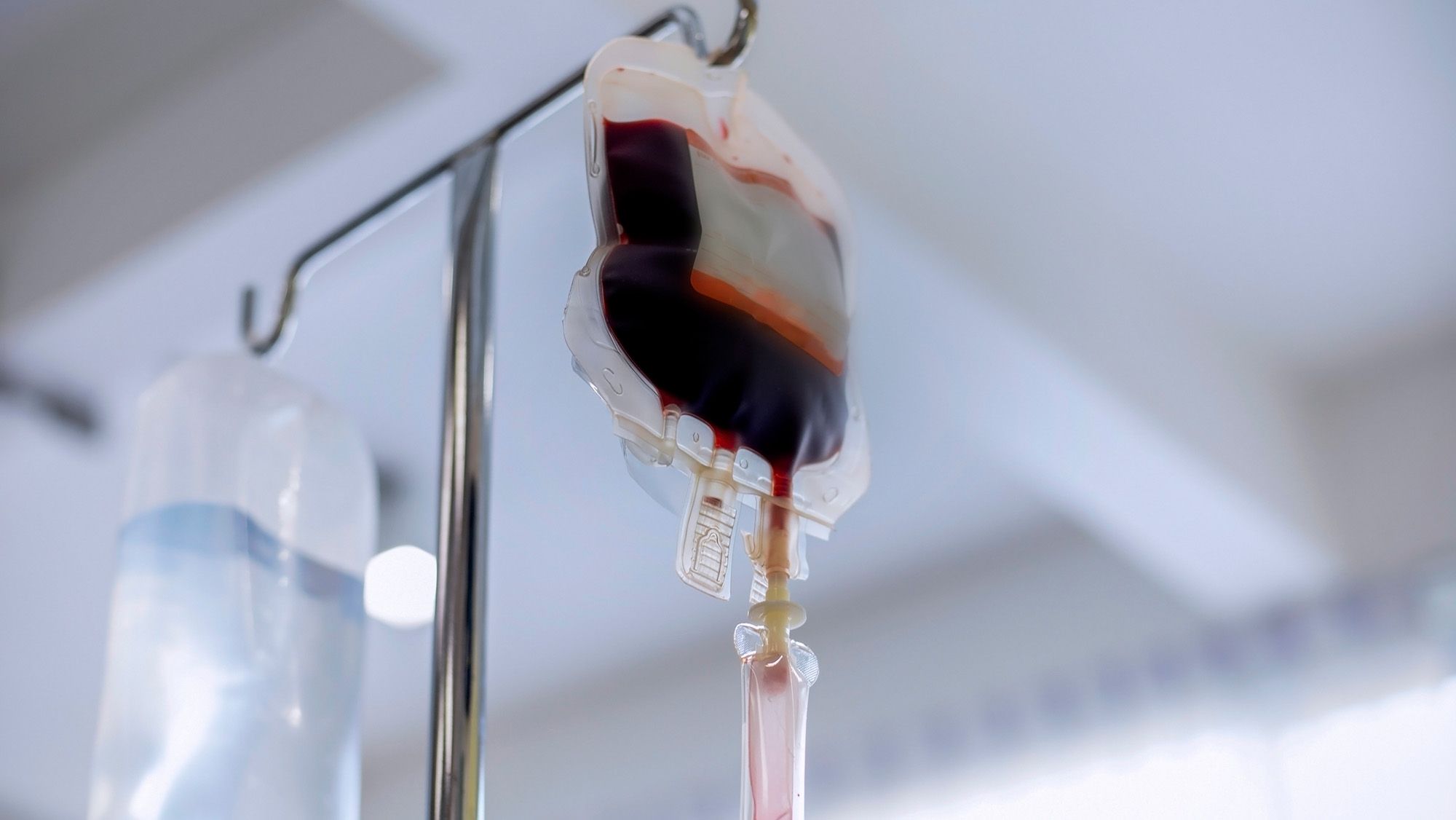
A 6-year-old boy in the Netherlands undergoing treatment for lymphoblastic leukemia experienced a life-threatening anaphylactic reaction during a blood transfusion, a case that highlights the potential for rare, passive transfer of food allergens through donated blood. Medical professionals identified that the child, who had a known history of peanut allergy, suffered the reaction after receiving blood from donors who had consumed peanuts shortly before their donations, according to a report of the case.
The patient, who had been diagnosed with a type of bone marrow cancer known as lymphoblastic leukemia, exhibited signs of anaphylaxis during the procedure. These symptoms included a sudden drop in blood pressure, a visible rash, swelling around the lips, tongue, and eyelids, and difficulty breathing. Medical staff administered epinephrine—a hormone also known as adrenaline—to stabilize the child. This intervention successfully reversed the symptoms within approximately 30 minutes, preventing further complications.
Diagnostic Investigation into Transfusion-Related Anaphylaxis
Following the incident, clinicians were initially uncertain as to the specific trigger for the reaction. Laboratory analysis of blood samples collected immediately after the episode revealed elevated levels of mast-cell tryptase, a protein released by immune cells during an allergic response. This confirmed that the child had experienced a systemic allergic reaction, but the source of the allergen remained unclear until the patient’s medical history was reviewed.
The child’s mother confirmed that he had a similar allergic response to peanuts when he was about 1 year of age and had maintained a peanut-free diet since that time. Investigators then contacted the five donors who provided the blood for the transfusion. Three of the five donors reported that they had eaten handfuls of peanuts the evening before their donation. This timeline is significant because the peanut allergen known as Ara h2, and specifically a building block called DRP-Ara h2, can take more than 24 hours to digest and remain capable of binding to receptors and triggering an immune response.
Further testing confirmed the presence of antibodies against both Ara h2 and DRP-Ara h2m in the child’s blood following the transfusion. Physicians concluded that the donor blood had effectively served as a vehicle for the allergen. “These data are consistent with the hypothesis that the consumption of peanuts by the donors before blood donation provided the trigger for this patient’s transfusion reaction,” the medical team reported in their case report.
Clinical Implications for Transfusion Safety
While allergic reactions during blood transfusions are rare, the exact frequency of these events is a subject of varying medical estimates. Some estimates suggest an incidence rate between 0.001% and 0.006%, while others indicate figures as high as 0.1% of transfusions. The rarity of these events often makes it difficult to pinpoint the exact cause, as the triggers that set off these allergic responses are seldom identified.
This case adds to a growing body of evidence suggesting that the passive transfer of food allergens via blood products may be more common than expected. For patients with severe food allergies, the potential for an unexpected reaction during a transfusion presents a diagnostic challenge. The treating physicians noted that many such reactions might currently be categorized as unexplained or remain unreported.
The case underscores a potential need for increased vigilance in identifying food allergies in people receiving blood transfusions. The authors of the report suggest that reviewing blood donors’ recent diet histories to screen for potential allergens that could affect sensitive recipients is necessary.
The patient fully recovered following the administration of epinephrine and required no additional treatment. No further updates regarding the patient’s long-term oncology care or changes to local blood donation screening policies have been officially released.
Related reading