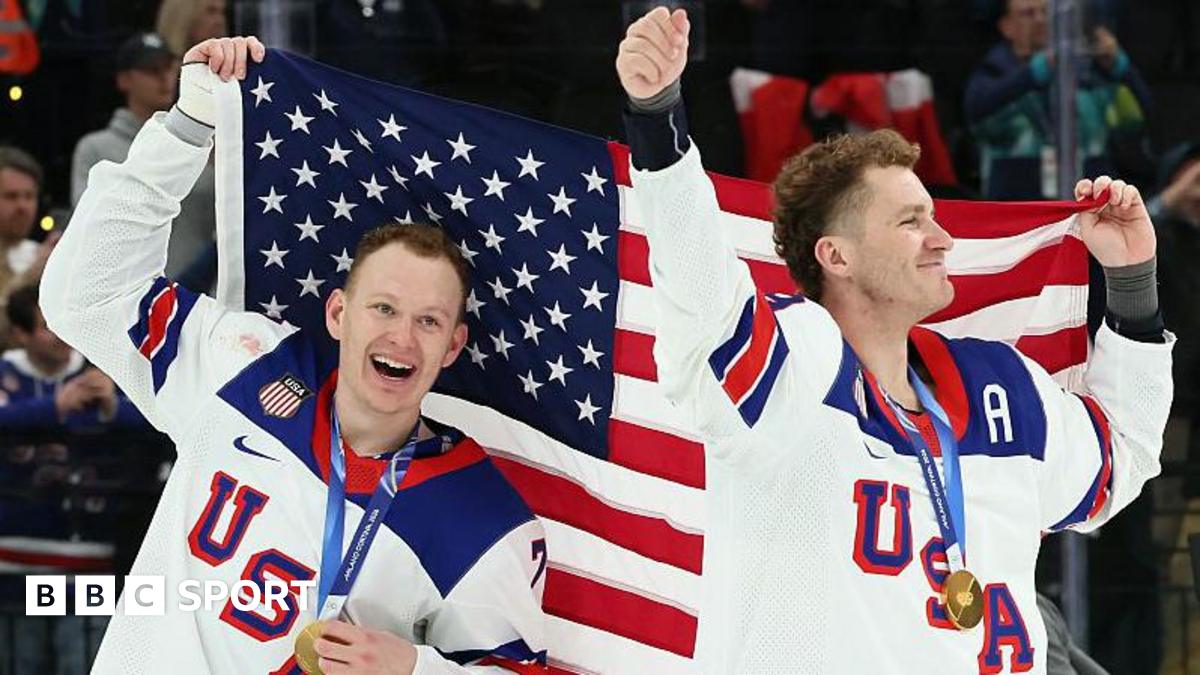
Tkachuk Disavows AI-Generated Video, Highlighting Concerns Over Misinformation in Olympic Coverage
Ottawa Senators captain Brady Tkachuk has publicly distanced himself from a controversial video released by the White House’s official TikTok account, which used artificial intelligence to portray him making disparaging remarks about Canada following the United States’ recent Olympic gold medal win in men’s ice hockey. The video, published after the U.S. Defeated Canada 2-1 in overtime on February 23rd, 2026, has sparked debate about the ethical implications of using AI to create and disseminate political content, particularly in the context of international sporting events. The incident underscores a growing concern about the potential for AI-generated misinformation to influence public perception and even strain diplomatic relations.
The video features a manipulated clip from a news conference held during the 4 Nations Face-Off in February 2025. In the altered footage, Tkachuk appears to say, “They booed our national anthem, so I had to come out and teach those maple syrup-eating f***s a lesson. Canada, we own you little bro.” The White House account included a disclaimer stating the video contained AI-generated media, but Tkachuk, speaking after a game in Ottawa on Thursday, February 26th, 2026, emphatically denied ever making such statements. “Well, it’s clearly fake, as it’s not my voice, not my lips moving,” he stated. “I’m not in control of any of those accounts. I understand that those words would never come out of my mouth, so I can’t do anything about it.”
The use of AI to create this video raises questions about the boundaries of political messaging and the responsibility of official government accounts on social media. While the White House included a disclaimer, critics argue that the video’s inflammatory content could still incite negative reactions and damage the relationship between the U.S. And Canada. The incident comes at a sensitive time, as both nations navigate the aftermath of a fiercely contested Olympic final and the ongoing complexities of their bilateral relationship. The U.S. Men’s hockey team secured its first Olympic gold medal since 1980 with the victory, a moment of national pride that the White House sought to capitalize on through its social media presence.
The Context: A Heated Rivalry and a Disputed Anthem
The roots of the controversy trace back to the 4 Nations Face-Off, a pre-Olympic tournament held in February 2025. During a game between the U.S. And Canada, some Canadian fans reportedly booed the U.S. National anthem. This act of disrespect, widely reported in both countries, fueled the already intense rivalry between the two hockey powerhouses. The incident became a talking point for both teams leading up to the Winter Olympics in Milan and Cortina d’Ampezzo, Italy. The BBC reported on the anthem booing incident, highlighting the heightened tensions between the two nations.
The U.S. Team’s victory over Canada in the Olympic final was a dramatic affair, decided in overtime. The game was watched by millions worldwide and quickly became a symbol of national pride for both countries. The White House’s decision to celebrate the win with an AI-generated video, however, proved to be a misstep, as it inadvertently created a diplomatic incident and drew criticism from both sides of the border. The video, which had garnered 11.1 million views and over 14,000 comments on TikTok as of Thursday afternoon, February 26th, 2026, quickly went viral, prompting widespread discussion, and condemnation.
Tkachuk’s Response and Concerns About Misrepresentation
Tkachuk, who serves as captain of the Ottawa Senators, was unequivocal in his rejection of the video’s content. He emphasized that the words attributed to him were entirely fabricated and did not reflect his personal views or values. “It’s not my voice. It’s not what I was saying,” he explained. “I would never say that. That’s not who I am, so I guess I don’t like that video because that would never come out of my mouth, and never had that thought.” His strong denial underscores the potential for AI-generated content to damage an individual’s reputation and erode public trust.
The incident also raises broader questions about the use of deepfakes and other AI-powered technologies in political discourse. Experts warn that these technologies could be used to manipulate public opinion, spread disinformation, and even interfere with democratic processes. The White House’s use of AI in this instance, even with a disclaimer, sets a potentially dangerous precedent, demonstrating how easily these tools can be employed to create and disseminate misleading content. The ethical considerations surrounding AI-generated media are becoming increasingly urgent, requiring careful consideration and proactive regulation.
The Broader Implications of AI in Sports and Politics
The controversy surrounding the White House video is not an isolated incident. The use of AI in sports and politics is rapidly expanding, with both positive and negative implications. In sports, AI is being used for everything from player performance analysis to automated officiating. In politics, AI is being used for targeted advertising, sentiment analysis, and even the creation of fake news articles. The potential benefits of these technologies are significant, but so are the risks.
The incident with Brady Tkachuk highlights the need for greater transparency and accountability in the use of AI-generated content. Social media platforms, government agencies, and other organizations must take steps to ensure that AI is used responsibly and ethically. This includes developing clear guidelines for the creation and dissemination of AI-generated media, implementing robust detection mechanisms to identify deepfakes and other forms of manipulated content, and educating the public about the risks of misinformation. The future of sports and politics may well depend on our ability to navigate these challenges effectively.
When asked about whether his Olympic success and the subsequent attention might affect his desire to continue playing in Ottawa, Tkachuk dismissed the notion. “That’s not even something that has crossed my mind,” he said. “I love playing for this team.” This statement underscores his commitment to the Senators and his desire to focus on his hockey career, despite the recent controversy.
Key Takeaways
- The White House released an AI-generated video featuring Brady Tkachuk making disparaging remarks about Canada.
- Tkachuk vehemently denied the authenticity of the video, stating the words attributed to him were fabricated.
- The incident raises ethical concerns about the use of AI in political messaging and the potential for misinformation.
- The controversy highlights the need for greater transparency and accountability in the use of AI-generated content.
- Tkachuk reaffirmed his commitment to the Ottawa Senators, dismissing speculation about his future with the team.
As the debate surrounding the White House video continues, the use of AI in sports and politics will remain a contentious issue. The incident serves as a cautionary tale, reminding us of the importance of critical thinking, media literacy, and responsible technology use. Further developments are expected as the White House responds to the criticism and as policymakers grapple with the challenges of regulating AI-generated content. The situation remains fluid, and ongoing scrutiny will be essential to ensure that AI is used in a way that promotes truth, fairness, and respect.
The White House has been contacted for comment regarding the backlash and has yet to issue a formal response. Further updates will be provided as they grow available. Readers are encouraged to share their thoughts and perspectives on this significant issue in the comments section below.
Keep reading