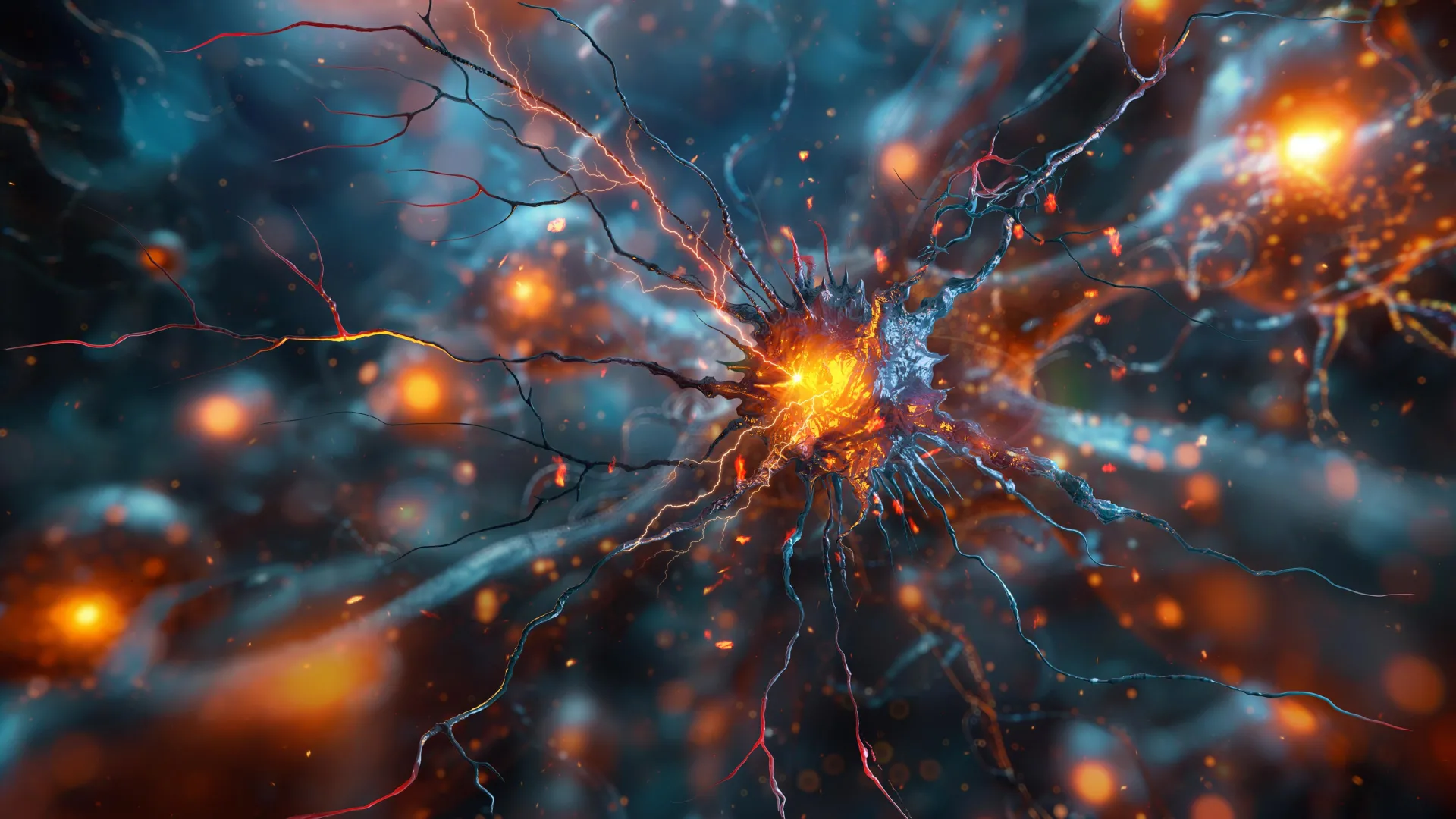
The Brain’s Hidden Anxiety Regulators: How Microglia Hold the Key to New Treatments
For decades, anxiety disorders have been primarily understood through the lens of neuronal imbalances – a focus on the brain’s signaling pathways and neurotransmitters. However, groundbreaking research from the University of Utah, published in Molecular Psychiatry, is challenging this long-held paradigm, revealing a critical role for the brain’s immune cells, specifically microglia, in regulating anxiety levels. This discovery isn’t just a refinement of existing knowledge; it represents a essential shift in our understanding of anxiety’s biological roots and opens exciting new avenues for therapeutic intervention.
Beyond Neurons: The Emerging Role of Brain Immunity
The brain was once considered an “immune-privileged” organ, shielded from the body’s immune responses. We now know this isn’t true.Microglia, the resident immune cells of the central nervous system, are constantly surveying the brain environment, responding to injury, infection, and even subtle changes in neural activity. Increasingly, research points to their involvement in a wide range of neurological and psychiatric conditions, including depression, Alzheimer’s disease, and, as this new study demonstrates, anxiety.
“It shows that when the brain’s immune system has a defect and is not healthy, it can result in very specific neuropsychiatric disorders,” explains Dr. Donn Van Deren, the postdoctoral researcher who led the study. This statement underscores the growing recognition that immune dysfunction can directly contribute to mental health challenges, moving beyond purely neurological explanations.
Two Sides of the Same Coin: Hoxb8 and Non-Hoxb8 Microglia
Previous research hinted at a link between microglia and anxiety. Initial experiments showed that interfering with a specific subset of microglia,identified by the marker Hoxb8,induced anxious behaviors in mice. However, a surprising twist emerged: completely blocking all microglia activity normalized behavior. This seemingly contradictory finding sparked a crucial question: could different types of microglia be exerting opposing influences on anxiety?
The research team meticulously investigated this possibility, employing a sophisticated experimental design. they created mice lacking microglia entirely and then selectively transplanted either Hoxb8 microglia or non-Hoxb8 microglia. The results where striking.
* Non-Hoxb8 Microglia: The Anxiety Accelerator. Mice receiving only non-Hoxb8 microglia exhibited pronounced anxiety-like behaviors – repetitive grooming and avoidance of open spaces, well-established indicators of anxiety in rodent models. This suggests these cells actively promote anxious responses.
* Hoxb8 Microglia: The Anxiety Brake. Conversely, mice transplanted with only Hoxb8 microglia displayed normal, non-anxious behavior. Crucially, when both types of microglia were present, the anxiety-promoting effects of the non-Hoxb8 cells were completely neutralized.
“These two populations of microglia have opposite roles,” states Dr. Mario Capecchi, senior author of the study and a distinguished professor of human genetics. “Together, they set just the right levels of anxiety in response to what is happening in the mouse’s environment.” This elegant finding reveals a finely tuned system where two microglial populations act as a biological “accelerator” and “brake” for anxiety.
Implications for Future Anxiety Treatments: A Paradigm Shift in Neuropsychiatric Care
The implications of this research are profound. For the first time, we have identified specific immune cell populations within the brain that directly regulate anxiety. This challenges the conventional focus on neuronal targets in psychiatric medication.
“Humans also have two populations of microglia that function similarly,” Dr. Capecchi points out, suggesting the relevance of these findings to human anxiety disorders. Currently, the vast majority of psychiatric drugs target neurotransmitter systems. This research suggests a potential for a new class of therapies that directly modulate microglial activity.
Potential therapeutic strategies could include:
* Enhancing Hoxb8 Microglial Function: Boosting the activity of these “braking” microglia could help dampen excessive anxiety.
* Reducing Non-Hoxb8 Microglial Activity: targeting and reducing the activity of these “accelerator” microglia could alleviate anxiety symptoms.
Dr. Van Deren cautions that translating these findings into clinical treatments is a long-term endeavor. “We’re far from the therapeutic side,” he says, “but in the future, one could probably target very specific immune cell populations in the brain and correct them through pharmacological or immunotherapeutic approaches.” This represents a major shift in how we conceptualize and treat neuropsychiatric disorders, moving towards a more holistic understanding that integrates the immune system with neural circuitry.
Looking Ahead: A New Era in anxiety Research
This study is a meaningful step forward in unraveling the complex biological mechanisms underlying anxiety. It
- Judge Rules Abortion Drug Mifepristone Safe, Orders FDA to Review Restrictions
- Digital Pathology Predicts Breast Cancer Outcomes
- Gail Porter Reveals Bruised Face and Grisly Injuries After London Tube Station Fall (world-today-news.com)
- Black MS Patients Die Younger Than White Patients, New Study Reveals (time.news)