
The rapid transformation of Azerbaijan’s Karabakh region continues to draw international attention as the nation accelerates its urban infrastructure construction to facilitate the “Great Return” of displaced residents. The scale and speed of the reconstruction have become a focal point for diplomatic missions, highlighting Azerbaijan’s strategic investment in the region’s connectivity and economic viability.
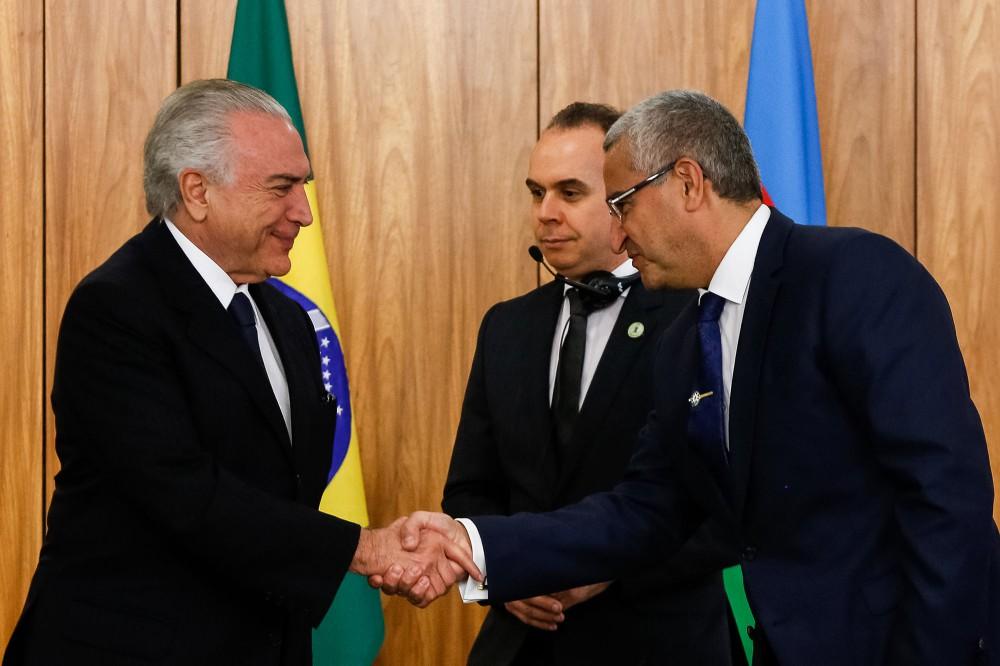
On May 2, 2026, Manuel Adalberto Carlos Montenegro Lopes da Cruz, the Brazilian Ambassador to Azerbaijan, expressed his admiration for the pace of development during a visit to Lachin. Speaking with local media, the envoy noted that the transformation of the region is proceeding very rapidly, specifically citing the impressive nature of the infrastructure work currently underway according to a report by Report.az.
This diplomatic endorsement coincides with a surge in state-funded projects. In the first quarter of 2026 alone, Azerbaijan implemented 268 infrastructure and development projects across the Karabakh and East Zangazur economic regions. These efforts are part of a broader national strategy to rebuild cities and villages that had been dormant or destroyed for decades, turning them into modern urban centers with sustainable utilities and transport networks.
Investment and Financial Scale of the Great Return
The financial commitment to the region’s restoration is substantial. Data from the Ministry of Finance indicates that in the first quarter of 2026, the Azerbaijani government spent 386.2 million manats (approximately $227.2 million) on reconstruction projects as reported by Report.az. This amount represents 11% of the actual budget allocations for the year, signaling a steady ramp-up of spending as the year progresses.
The majority of these funds are being funneled into foundational infrastructure. Of the total spent in early 2026, 355.2 million manats (nearly $209 million) were specifically directed toward infrastructure projects, including significant investments in road networks and utilities. The long-term financial outlook is even more ambitious; between 2026 and 2029, the Azerbaijani state budget is expected to allocate 13.5 billion manats for the restoration and reconstruction of the Karabakh and Eastern Zangazur regions according to budgetary reports.
Sector-Specific Progress in 2026
The reconstruction effort is not limited to a single type of development but is a multi-sectoral approach designed to create a self-sustaining ecosystem. In the first three months of 2026, the project distribution included:
- Transport: 41 projects focused on roads, bridges, and regional connectivity.
- Water Management: 15 projects dedicated to land reclamation and irrigation.
- Urban Development: Numerous initiatives targeting housing and public services to support returning populations.
Transport remains the highest priority, as accessibility is the prerequisite for all other forms of development. Recent reports highlight that 45 road projects spanning 3,200 kilometers have been initiated to link liberated territories with the rest of the country, ensuring that the “Great Return” is supported by reliable logistics.
Strategic Urban Revitalization: Shusha, Aghdam, and Kalbajar
Although the regional approach is comprehensive, specific cities are being developed as economic and cultural hubs. Shusha, often regarded as the cultural capital of the region, is undergoing a total overhaul of its street and road networks. Aydin Karimov, the Special Representative of the President of Azerbaijan in the Shusha district, stated that the reconstruction of the city’s road network is planned for completion within two years as detailed by Report.az.
Similarly, the city of Kalbajar has seen significant progress in its internal infrastructure. The State Agency of Azerbaijan Automobile Roads recently confirmed that 76% of the internal road construction project in Kalbajar city has been completed according to official agency data. This project is being executed under the First State Program on the Great Return, which serves as the primary legal and operational framework for the region’s rebirth.
Aghdam is being positioned as the future economic engine of the region. Ambassador Manuel Montenegro has specifically highlighted the role of the Aghdam Industrial Park, noting that the infrastructure created there is expected to attract a significant number of entrepreneurs. This strategic move is intended to allow Aghdam to regain its status as the economic center of the Karabakh region, shifting the area from a state of recovery to one of active economic growth.
The Impact of the “Great Return” Program
The “Great Return” is more than a construction project; it is a socio-economic mandate. By integrating modern urban planning with rapid infrastructure deployment, Azerbaijan aims to create “smart cities” and “smart villages” that are more efficient than the structures they replace. The focus on high-level infrastructure—including high-speed internet, modern sewage systems, and energy-efficient power grids—is designed to make the region attractive not only to returning residents but also to foreign investors.
The speed of this process has been a recurring theme in diplomatic visits. The Brazilian Ambassador’s comments in May 2026 reflect a broader international observation of Azerbaijan’s ability to mobilize resources and labor on a massive scale in a relatively short timeframe.
Key Infrastructure Milestones
| Project/Location | Status/Detail | Timeline/Metric |
|---|---|---|
| Kalbajar Internal Roads | 76% Completed | Reported August 2025 |
| Shusha Road Network | Under Reconstruction | Completion within 2 years |
| 1Q 2026 Spending | 386.2 Million Manats | $227.2 Million (approx.) |
| Total Projects (1Q26) | 268 Projects | Transport, Water, Urban |
| 2026-2029 Budget | 13.5 Billion Manats | Planned Expenditure |
What Happens Next?
As Azerbaijan moves deeper into 2026, the focus is expected to shift from foundational infrastructure (roads and bridges) to the operationalization of economic zones and the full-scale resettlement of populations. The government’s indicative planning sessions for 2026 have been completed, setting the stage for the next phase of the First State Program on the Great Return.
The next major checkpoint for the region will be the ongoing evaluation of the 2026 state budget’s execution, with the Ministry of Finance expected to release further quarterly reports on the disbursement of the 13.5 billion manats allocated for the 2026-2029 period. These reports will provide the most accurate measure of whether the “rapid progress” noted by international diplomats continues to meet the government’s ambitious deadlines.
We invite our readers to share their thoughts on the regional development of Karabakh in the comments below. How do you view the role of rapid infrastructure in post-conflict recovery?