
Morocco’s national football team has solidified its reputation as a formidable force on the global stage, recently demonstrating a fearless tactical approach when facing top-tier South American opposition. Following a historic run to the semi-finals of the 2022 FIFA World Cup, the Atlas Lions have maintained a high-intensity playing style that challenges traditional football hierarchies. Recent international fixtures indicate that Morocco’s squad, characterized by disciplined defensive structures and rapid transitions, remains unawed by the historical prestige of opponents such as Brazil, marking a shift in the competitive landscape of international football as teams prepare for the 2026 tournament cycle.
The tactical evolution of the Moroccan side, currently managed by Walid Regragui, has drawn significant attention from analysts observing the team’s ability to neutralize star-studded rosters. According to data from the FIFA match archives, Morocco’s defensive efficiency—highlighted by their performance in the 2022 tournament—serves as the blueprint for their current success. This approach forces opponents to commit resources defensively, often disrupting the fluid attacking patterns typically associated with the Brazilian national team.
Tactical Evolution in the Brazilian National Team
Brazil continues to navigate a transition period as it integrates new talent under the leadership of Dorival Júnior. The Brazilian Football Confederation (CBF) remains focused on reclaiming dominance in major tournaments, with current efforts centering on the squad selection process for upcoming qualifying matches. While the team possesses significant individual technical talent, including high-profile forwards playing in Europe, the challenge remains balancing this offensive output with a stable midfield capable of preventing counter-attacks from disciplined defensive sides like Morocco.
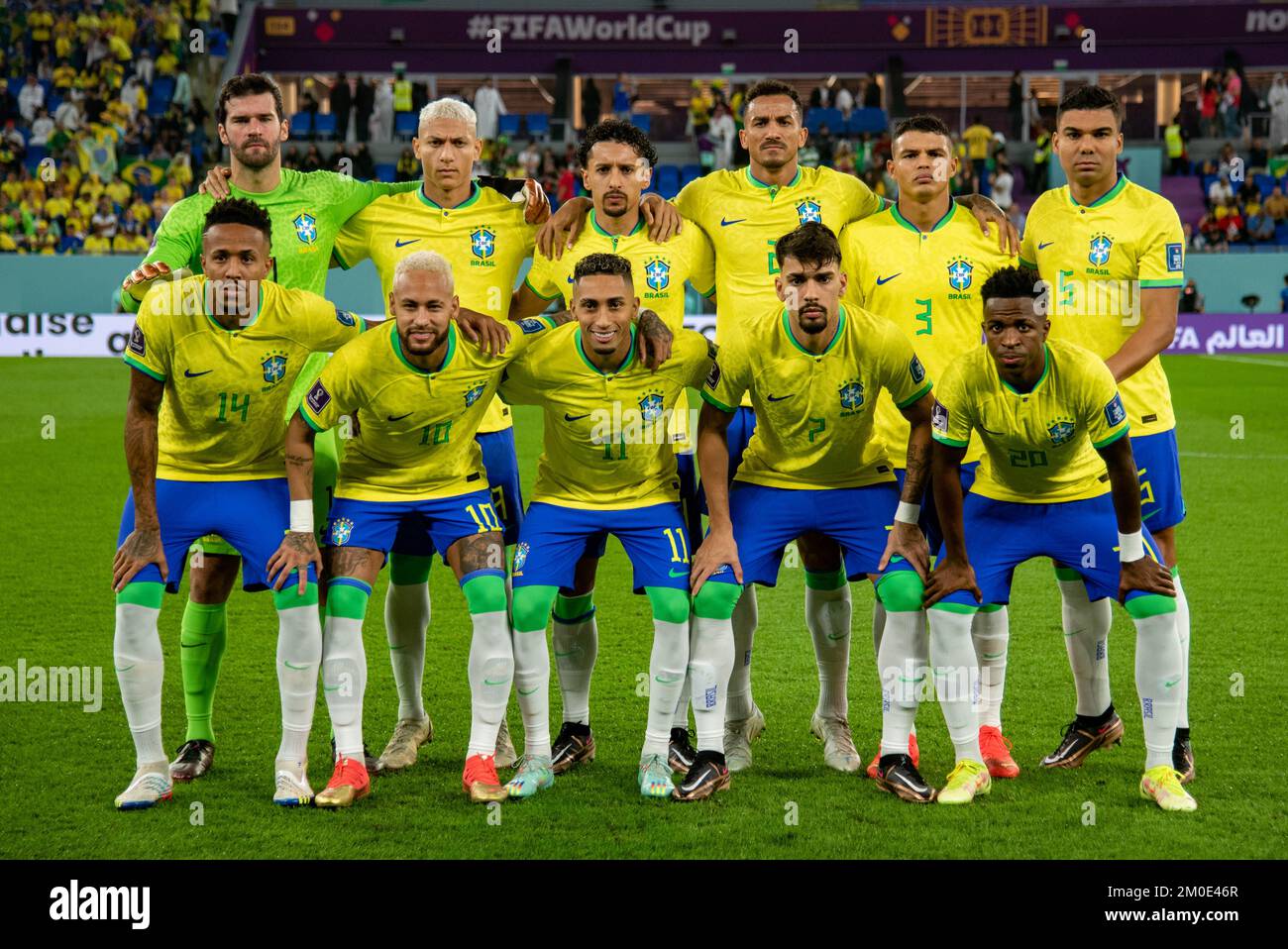
The narrative surrounding the Brazilian team often focuses on the pressure to perform at the level of past “Seleção” legends. However, modern international football analysis, as noted by Reuters reporting, emphasizes that tactical cohesion now holds more weight than individual brilliance alone. The reliance on players like Vinícius Júnior and Neymar Jr. requires a supporting structure that can withstand high-pressure, low-block defensive strategies, a scenario where Morocco has proven particularly effective.
Preparing for the 2026 World Cup Cycle
The road to the 2026 FIFA World Cup involves rigorous qualification paths across different confederations. For Morocco, the focus remains on maintaining the momentum built during their recent continental successes, including the CAF Africa Cup of Nations campaigns. The integration of young players from the domestic Botola Pro league alongside established stars playing in European clubs provides a depth that allows for tactical flexibility during long tournament stretches.
Brazil, meanwhile, faces the logistical and competitive demands of the CONMEBOL qualifying cycle. The official CONMEBOL standings provide the most accurate look at the team’s current progress as they work to secure their position for the 2026 tournament. The pressure on the coaching staff is compounded by the expectations of a global fanbase, leading to constant scrutiny of team selections and match outcomes. The contrast in expectations—Morocco as the established underdog and Brazil as the perennial favorite—creates a distinct dynamic in how these two nations approach their respective international calendars.
Analyzing the Competitive Dynamic
When comparing the two sides, the disparity in historical trophy counts is clear, but current form suggests the gap in on-field performance is narrowing. Morocco’s success is built on a collective identity that prioritizes tactical discipline, while Brazil’s identity is historically rooted in individual flair. Analysts suggest that the effectiveness of these two philosophies will be tested as the global game continues to favor high-pressing and quick transition football.
The following table outlines the current status of both teams within their respective confederations as of the latest reporting cycles:
| Nation | Confederation | Primary Focus |
|---|---|---|
| Morocco | CAF | Maintaining defensive intensity and integrating youth talent. |
| Brazil | CONMEBOL | Achieving tactical consistency under new management. |
The next major checkpoint for international football fans will be the upcoming FIFA international windows, where squad depth and tactical adjustments will be on full display. Official updates regarding team rosters and match schedules are available through the official FIFA website. As the 2026 tournament approaches, the performance of these teams in head-to-head friendlies and competitive qualifying matches will be critical indicators of their readiness for the world stage. Fans and analysts are encouraged to follow official channels for the most verified information regarding upcoming fixtures and squad announcements.
What are your thoughts on how these tactical shifts will impact the 2026 tournament? Share your perspective in the comments section below.