
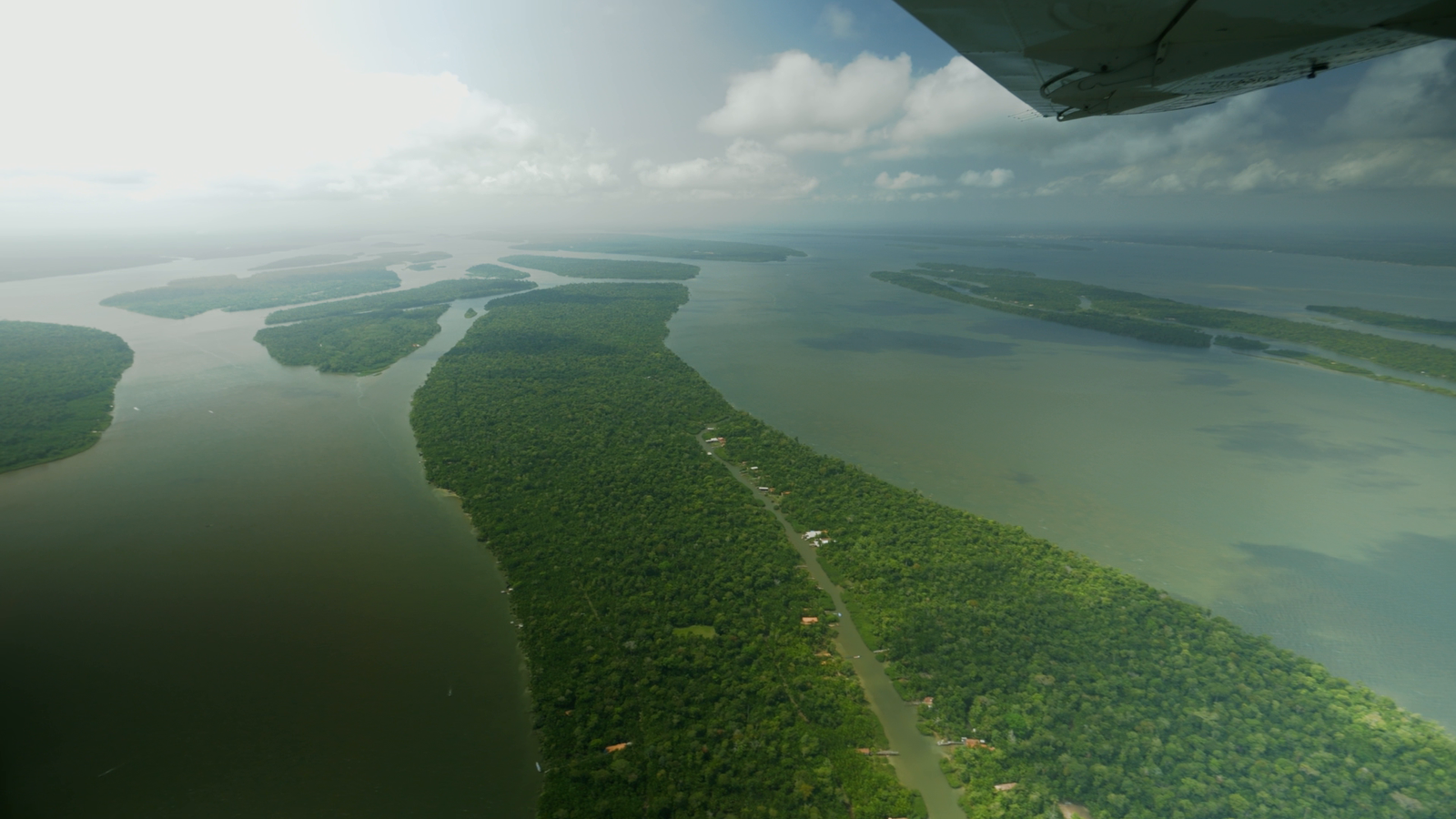
Investing in Forests: A New Approach to Tropical Conservation
Protecting the world’s tropical forests is a monumental challenge, but a groundbreaking new initiative – the Tropical Forest Finance Facility (TFFF) – offers a possibly transformative solution. It aims to align financial incentives with forest preservation,creating a system where keeping trees standing is more profitable than deforestation.
The Core Concept: De-Risking for Investment
The TFFF operates on a clever principle: leveraging public funds to attract private investment.Essentially, governments contribute an initial amount of capital, which then de-risks the fund for private investors. For every $1 invested by governments, the goal is to unlock a further $4 from the private sector.
This amplified capital base allows the TFFF to pursue higher-risk, higher-reward investment opportunities. The ultimate aim is to generate returns that are competitive with customary industries, while together funding the vital work of forest conservation.
How it Works: Payments for Preservation
The TFFF isn’t just about preventing deforestation; it’s about rewarding those who actively protect forests. The fund will generate revenue to provide payments to countries adn communities that successfully maintain their tropical tree cover.
A notable portion – at least 20% – of these payments is specifically earmarked for indigenous communities. These communities are widely recognized as the most effective stewards of the land, possessing invaluable traditional knowledge and a deep connection to the forest ecosystem. while the initiative has garnered broad support,it’s important to acknowledge that not all communities are in complete agreement.
Current Status and Funding Needs
Currently, the TFFF has secured $5.5 billion in commitments from nations like Norway,France,and Indonesia. The World Bank’s agreement to host the fund lends significant credibility to the project. However, reaching its full potential requires significant further investment.
To truly take off, the TFFF needs to raise between $10-25 billion in government funding. This is a considerable sum, especially when considering the competition from established, highly profitable industries like gold mining and oil extraction – sectors in which governments already have significant financial stakes.
The Challenge of Competitiveness
Generating returns that can compete with these lucrative industries is the central challenge facing the TFFF. As Dr. Andreza Aruska de Souza Santos, director of the Brazil Institute at King’s College London, explains, the fund needs to attract sufficient capital from both governments and investors.
“But the problem is that TFFF would need to compete with these very profitable industries… because you need to capture as much money from governments, from investors,” she notes.”And so far it’s not quite balancing the competitiveness of other sectors that are potentially harmful for forests.”
A Viable Future for Forests?
Despite the hurdles, the TFFF holds immense promise. It has the potential to fundamentally shift the economic equation, making it financially beneficial to preserve forests rather than destroy them.
As Dr. Santos puts it, the TFFF could make it “very financially viable to have a forest as a forest.”
Here’s a breakdown of the key benefits:
* Financial Incentives: Creates a direct economic value for forest preservation.
* Private Sector Engagement: Leverages private capital for greater impact.
* Community Empowerment: Prioritizes payments to indigenous communities,recognizing their crucial role in conservation.
* Sustainable Returns: Aims to deliver competitive returns to investors while protecting vital ecosystems.
Ultimately, the success of the TFFF will depend on continued government support, attracting sufficient private investment, and demonstrating its ability to deliver tangible results. If it succeeds, it could represent a major step forward in the global effort to protect our planet’s precious tropical forests for generations to come.


![Year in Review: Top Wins & Biggest Fails of [Year]](https://i0.wp.com/images.everydayhealth.com/images/2025/best-and-worst-health-trends-2025-1440x810.jpg?resize=150%2C100&ssl=1 "Year in Review: Top Wins & Biggest Fails of [Year]")

