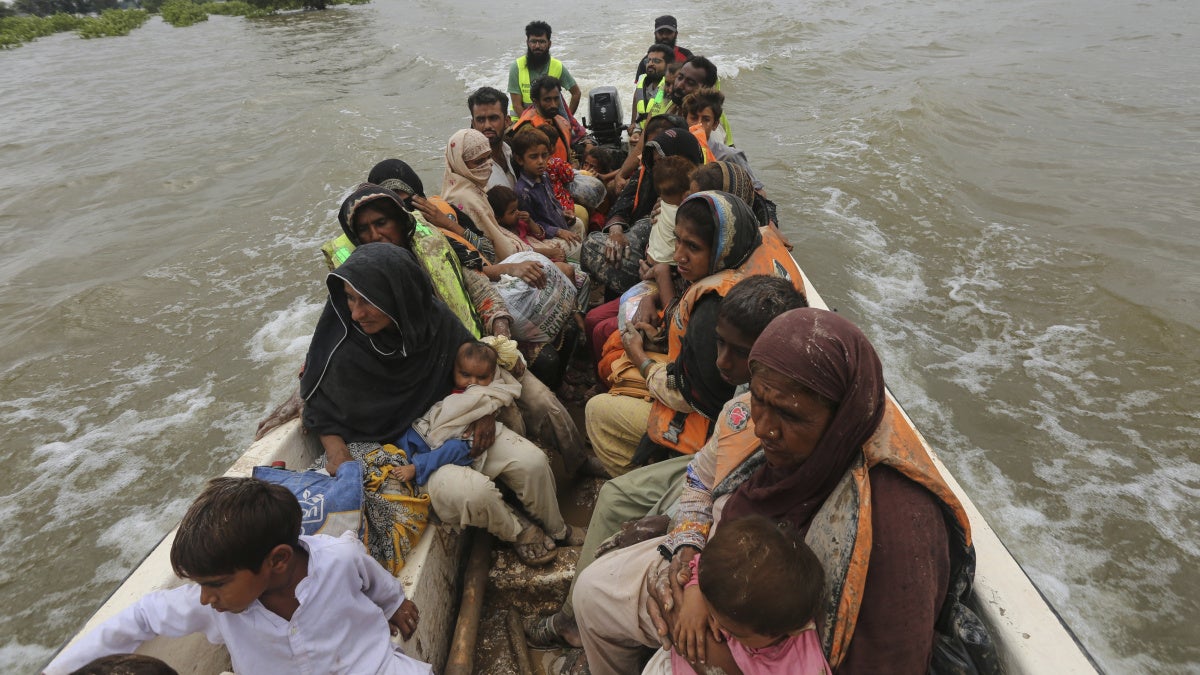
Pakistan’s Recurring Flood Crisis: A Preventable Disaster Fueled by Climate Change and Development Missteps
Pakistan is onc again reeling from devastating floods. Recent heavy monsoon rains have left a trail of destruction, impacting millions, claiming over 900 lives, and wiping out vast swathes of agricultural land. This isn’t simply a natural disaster; it’s a tragically predictable result of a climate crisis colliding wiht decades of unsustainable development practices. As someone who has followed Pakistan’s environmental and disaster management landscape for years, the situation is deeply concerning – and, crucially, largely preventable.
The scale of the Current Crisis
The immediate impact is harrowing. Here’s a snapshot of the current situation:
Human Cost: Over 900 confirmed fatalities, with the potential for this number to rise as rescue efforts continue.
Agricultural Devastation: Thousands of acres of crucial crops have been destroyed, threatening food security and livelihoods.
Infrastructure Damage: Critical infrastructure – roads, bridges, power lines – has been severely damaged, hindering relief efforts and long-term recovery.
Displacement: Thousands are in relief camps, while countless more are without shelter and desperately need assistance.
But focusing solely on the immediate aftermath obscures a deeper,more systemic problem.Climate change: The Intensifying Threat
Pakistan is on the frontlines of climate change. Scientific consensus, including reports from the World Weather Attribution organization, clearly demonstrates that extreme rainfall events are becoming more frequent and intense due to a warming climate. Pakistan experiences warming rates considerably above the global average, making it exceptionally vulnerable to these escalating climate shocks.
This means:
Increased Flood Risk: Expect more frequent and severe flooding events in the years to come.
Disproportionate Impact: Marginalized and at-risk populations will bear the brunt of these impacts.
* A Pattern of Crisis: The 2022 floods, which affected 33 million people and caused 1,700 deaths, serve as a stark reminder of the scale of potential devastation. Billions of dollars in damages were inflicted then, and the current floods are adding to that economic burden.
The Role of Unchecked Development
While climate change is a global driver, Pakistan’s own development policies are considerably exacerbating the problem. For too long, short-sighted projects have prioritized economic growth over environmental sustainability and long-term resilience.
Consider the Ravi Riverfront Urban Development Project in Lahore.Launched in 2020 with the aim of revitalizing the city, the project has been widely criticized by environmental activists and experts.Warnings that building barrages and replacing farmland with concrete would increase flood risk were ignored. Today, much of the project area – and parts of Lahore itself - are submerged.
This isn’t an isolated incident. A history of poor-quality environmental assessments for politically connected infrastructure projects has consistently undermined efforts to protect vulnerable communities. You deserve to know that these assessments often fail to adequately consider the potential environmental consequences.
A History of Neglect & Poor Planning
Successive governments in Pakistan have failed to enact the necessary reforms and policies to regulate development effectively. This lack of foresight and proactive planning has left the country dangerously exposed to the impacts of climate change. The current crisis is, in many ways, a direct result of these long-standing failures.
What Needs to Be Done?
Pakistan has a clear international human rights obligation to protect its citizens from foreseeable harm, including the impacts of climate change and extreme weather events. Here’s what needs to happen, and quickly:
- Immediate Relief: Provide complete assistance to communities already affected by the floods. This includes shelter,food,clean water,and medical care.
- Strengthened Environmental Protections: Enforce meaningful environmental regulations for all development projects. Independent assessments, free from political interference, are crucial.
- Climate Adaptation & Mitigation: Invest in climate adaptation measures – such as improved flood defenses, drought-resistant crops, and early warning systems – to protect vulnerable communities. Simultaneously, prioritize efforts to reduce greenhouse gas emissions.
- Enduring Development Planning: Adopt a holistic approach to development that prioritizes environmental sustainability, social equity, and long-term resilience.This means moving away from projects that exacerbate environmental risks and embracing solutions that build a more sustainable future.
- Transparency and Accountability: Ensure transparency in all development