
Brazilian health authorities have suspended a targeted dengue vaccination campaign following reports of two deaths and several adverse events among recipients. The Ministry of Health announced the pause on June 8, characterizing the move as a precautionary measure while investigators from the agency, alongside the Brazilian Health Regulatory Agency (Anvisa) and the Butantan Institute, examine potential links between the immunizations and the reported health complications.
According to official data released by the Ministry of Health, 42 cases involving “warning signs”—including persistent vomiting—were documented among the 500,000 doses administered through May 30. This incidence rate represents approximately 0.008 percent of the total vaccinations performed during the initial rollout. While the suspension halts the current program, officials have emphasized that a causal relationship between the vaccine and the deaths has not been established.
Understanding the Vaccination Suspension
The decision to pause the program, which began in early 2026, reflects a standard protocol for monitoring the safety of new medical interventions. Health Minister Alexandre Padilha stated that the discontinuation serves two primary functions: it acts as a necessary safeguard for public health and provides the time required for a thorough investigation by the Butantan Institute and Anvisa. The Butantan Institute, which works in partnership with the São Paulo State Health Department, confirmed that the suspension aims to protect the population while researchers deepen their analysis of the registered fatalities.
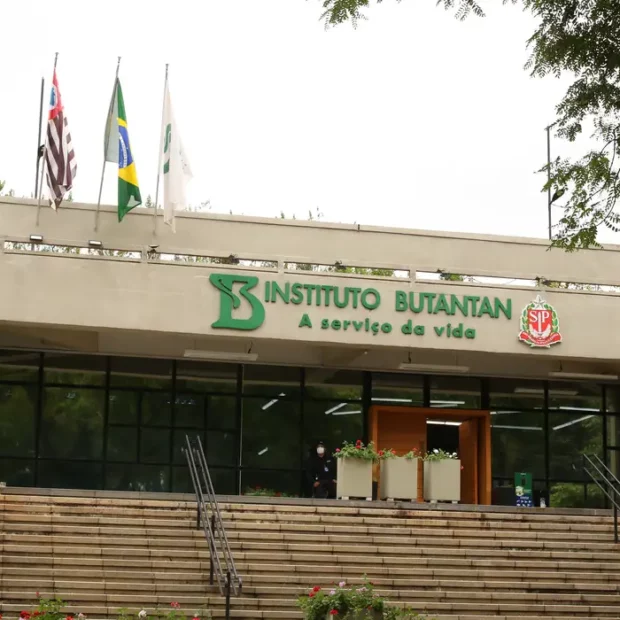
The vaccine in question is a live attenuated formula containing weakened strains of the four dengue virus serotypes, developed using technology originally created by U.S. researchers. Regulatory approval for the vaccine was granted by Brazilian authorities in 2025 as part of a broader effort to mitigate the impact of the mosquito-borne virus. The initial phase of the campaign focused specifically on health care workers and individuals aged 15 to 49 residing in three cities within Araguaína, located in the northern state of Tocantins.
Dengue Fever Trends in Brazil
The urgency behind Brazil’s vaccination efforts stems from a significant surge in dengue fever cases across the country. In 2024, the Ministry of Health registered 6.5 million probable cases of the disease, a figure that was four times higher than the total recorded in 2023. Long-term data indicates that the viral infection has been a persistent public health challenge, with more than 20 million Brazilians affected by the disease since the beginning of the 2000s.
Despite the current suspension, health officials have pointed to data suggesting a reduction in dengue cases following the initial vaccine rollout compared to the same timeframe in 2024. The vaccine was designed to provide protection against both standard dengue fever and severe manifestations of the virus. The Butantan Institute has indicated that if the ongoing investigation confirms the safety profile of the vaccine, the campaign may resume in the near future.
Next Steps for Safety Monitoring
The Ministry of Health has not yet provided a definitive timeline for the conclusion of the investigation or the resumption of the vaccination campaign. The process remains contingent on the results of ongoing testing, which includes plans to evaluate the vaccine’s efficacy and safety in older age groups. As the investigation progresses, health authorities are expected to release further updates regarding the clinical outcomes of the 42 reported cases.

For residents in the affected regions, officials recommend monitoring local health department advisories for official guidance. Transparency regarding the investigation is essential for maintaining public trust in the vaccination process, especially as authorities look to balance the urgent need for dengue prevention with the requirements of rigorous safety standards. We will continue to monitor official reports from the Ministry of Health and Anvisa. Please share your thoughts or questions in the comments below as we track these developments.