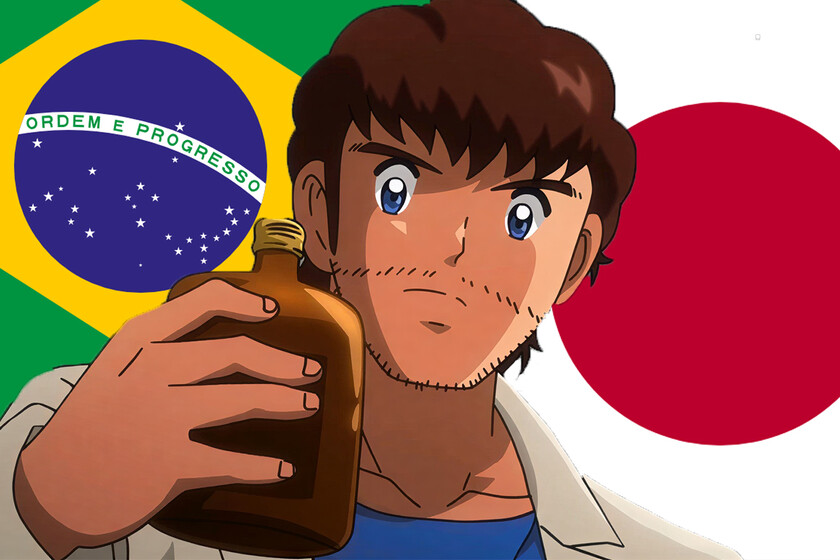
The cultural intersection between real-world international football and the long-running sports manga series Captain Tsubasa—known in many markets as Oliver y Benji—has regained prominence as fans draw parallels between fictional narratives and high-stakes global tournaments. The intense, high-scoring rivalry between Brazil and Japan, a fixture that serves as a climactic narrative arc in the series created by Yōichi Takahashi, continues to resonate with audiences as they compare the dramatic flair of the manga to actual competitive matchups on the pitch.
While the series, which debuted in 1981 in Shueisha’s Weekly Shōnen Jump, is a work of fiction, its influence on global football culture is well-documented. According to the International Olympic Committee, the series played a significant role in popularizing football in Japan and has been credited by numerous professional players, including Andres Iniesta and Fernando Torres, as an early inspiration for their interest in the sport.
The Evolution of the Brazil-Japan Narrative
In the Captain Tsubasa universe, the clash between the Brazilian national team and the Japanese squad—led by protagonist Tsubasa Ōzora—represents a classic “David vs. Goliath” dynamic. The manga frequently utilizes hyperbolic athleticism and specialized techniques to heighten the stakes of these encounters. Unlike the structured, tactical reality of FIFA-sanctioned matches, the series focuses on individual character growth and the emotional weight of international competition.

Real-world football analysts often point to the contrast between the manga’s dramatized version of events and the pragmatic reality of modern international play. The Japan Football Association (JFA) has historically emphasized a disciplined, team-oriented approach, which contrasts sharply with the high-octane, individualistic “Joga Bonito” style often depicted in the Brazilian teams within the manga. For fans, however, the appeal lies in the bridge between the two; the series captures the spirit of competition that defined many real-world Brazil-Japan friendlies and tournament matches throughout the late 20th and early 21st centuries.
Impact on Global Football Perception
The enduring popularity of Captain Tsubasa has led to various collaborative efforts between the franchise and real-world football organizations. In 2018, the FIFA Museum featured exhibits highlighting the manga’s contribution to global football culture, noting that Takahashi’s work transcended linguistic barriers to foster a shared appreciation for the sport. This cultural resonance explains why, during major international tournaments, social media discourse frequently resurfaces clips from the anime to illustrate the intensity of Brazil-Japan fixtures.
From an economic and marketing perspective, the association between the franchise and professional football has been leveraged by sponsors to engage younger demographics. By anchoring the sport in a narrative that emphasizes perseverance and skill, the franchise has maintained its relevance decades after its initial publication. This narrative consistency is a core reason why audiences continue to view real-world matches through the lens of the “Oliver y Benji” experience.
What Happens When Fiction Meets Reality
While the dramatic “heart-stopping” goals depicted in the manga remain confined to the page and screen, the anticipation surrounding Brazil-Japan matches continues to be a major draw for broadcasters and ticket holders. The most recent data on international friendly attendance, as tracked by major sports news outlets, indicates that matches involving high-profile teams like Brazil consistently rank among the most-watched sporting events globally.
For the average viewer, the “special touch” mentioned by enthusiasts refers to the nostalgia associated with the series. It is a reminder that football is as much about the mythology and the stories told around the game as it is about the statistics recorded on the scoreboard. The next checkpoint for these teams will be dictated by the official FIFA international match calendar, where fans can expect continued high-level competition that, while perhaps less gravity-defying than the manga, maintains the same spirit of global rivalry.
Readers interested in following the upcoming schedule for international fixtures can find verified match dates and ticketing information through the official FIFA portal. We invite our readers to share their thoughts on the intersection of sports media and real-world performance in the comments section below.
Keep reading
- Lanxess Stock Plummets: Berenberg Issues Sell Rating Amid Debt Concerns
- Belgian Banks Report Strong Half-Year Profits Amid Rising Interest Rates and Economic Concerns
- Brazil ANPD Regulates Digital ECA Transparency Reports (newsdirectory3.com)
- Historic Albany Foundation Nears Completion of Landmark Rehab (news-usa.today)