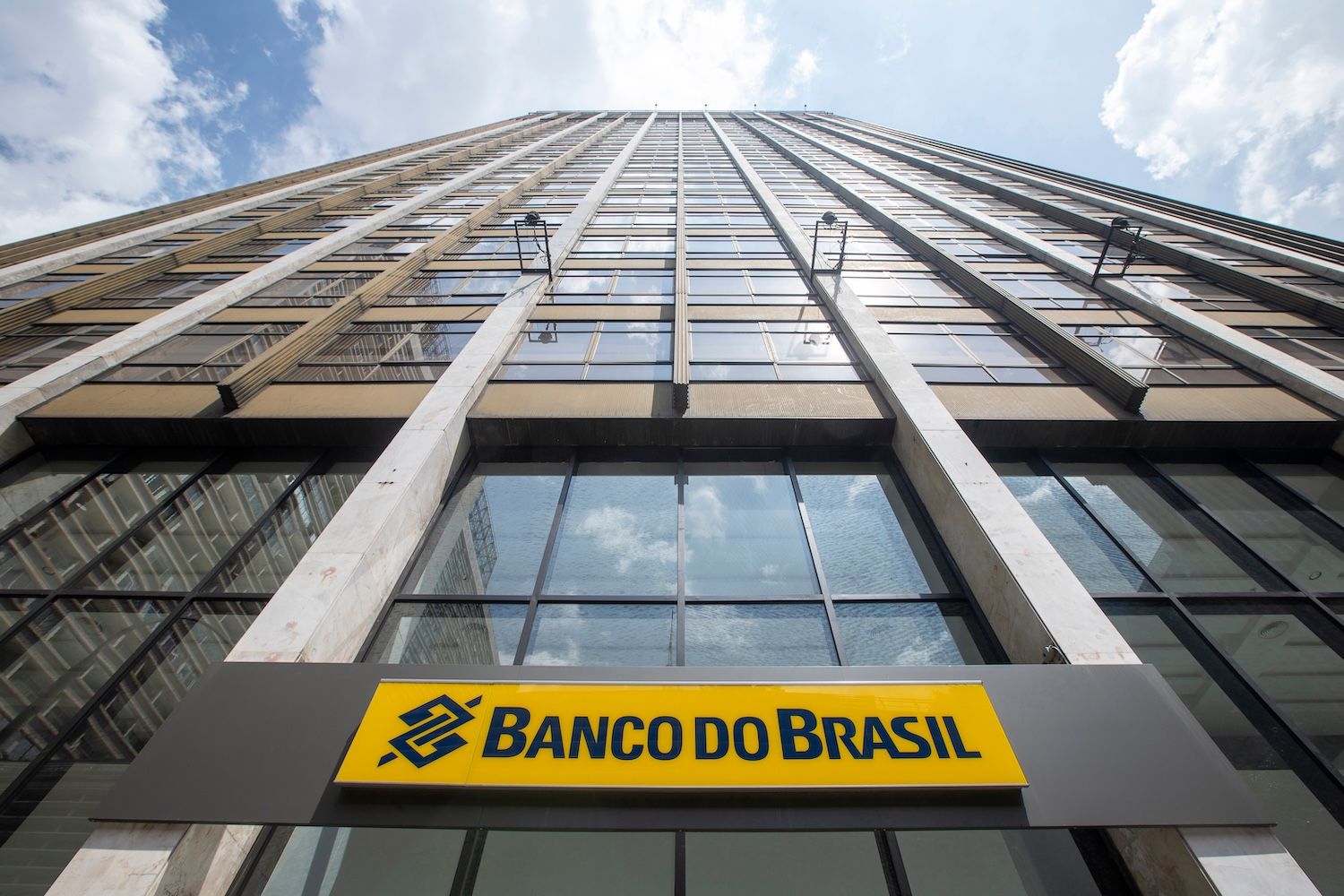
Brazil’s central bank has instituted a series of sweeping regulatory changes that effectively push institutional stablecoin flows and large-scale cross-border transactions behind traditional banking licenses. According to official announcements from the Central Bank of Brazil, the framework targets digital asset service providers handling high-value currency exchanges while leaving everyday retail crypto trading untouched.
The regulatory shift addresses the massive volume of cross-border transactions moving through digital assets within the South American nation. Financial authorities have systematically rewritten the operational parameters for virtual asset service providers, tightening supervision to align major stablecoin movements with standard banking compliance.
Market participants who once relied on non-bank fintech rails to settle multi-million-dollar transactions now face strict operational boundaries. The central bank’s measures fundamentally alter how institutional liquidity moves between Brazilian reais and foreign currencies, marking a definitive turn toward traditional financial gatekeeping.
New Size Caps and Regulatory Resolutions
The structural changes began with Resolutions 519, 520, and 521, which were published on November 10, 2025, and took effect on February 2, 2026. These rules cap virtual asset service providers at 100 000 $ per digital asset exchange operation. To close potential workarounds, the central bank explicitly banned providers from breaking large payments into smaller tranches to bypass the limit.
Under the updated framework, a multi-million-dollar institutional settlement cannot be divided into fractional parts to stay under the threshold. Traditional banks, by contrast, face no such restrictions on crypto transactions and can route identical funds through standard foreign exchange channels. Non-bank operators attempting to service institutional clients find themselves legally boxed out of high-value corridors.
Further cementing the banking sector’s exclusive domain, Resolution 561—published on April 30, 2026, and effective October 1—prohibits non-bank entities from settling regulated cross-border foreign exchange operations using stablecoins. This rule dismantles the standard plumbing that previously converted reais into stablecoins for cross-border transit before reconverting them abroad.
The Push for Third-Party Intermediation and Tax Compliance
Beyond transaction size limits, Brazilian regulators have restricted third-party stablecoin movements exclusively to licensed banking institutions. Collection schemes, disbursement networks, white-label payroll systems, and banking-as-a-service partnerships handled by non-bank processors now require a formal banking license.
Tax enforcement serves as an additional pressure point for digital asset operators. Several providers previously routed transactions through investment fund structures to mitigate the IOF financial transactions tax on outbound transfers. Regulators have signaled that such arrangements will be treated as tax avoidance schemes, creating substantial retroactive liabilities for companies and their clients.
Gabriel Galipolo, governor of the Central Bank of Brazil, noted that approximately the vast majority of the country’s crypto activity involves stablecoins. When a single instrument dominates transaction volume to this degree, monetary authorities treat it as a matter of national sovereignty and anti-money laundering enforcement rather than a niche financial product.
Broader Implications for Global Digital Finance
Industry critics argue that funneling institutional volume into a limited pool of commercial banks may reduce market competition and increase compliance costs. However, financial authorities maintain that systemic weight necessitates rigorous oversight, holding major payment processors to the same standards as traditional financial institutions.
As international regulators monitor Brazil’s approach to digital assets and payment modernization—following successes like the Pix instant payment system—the boundary between cryptocurrency infrastructure and traditional banking continues to blur. For cross-border operators worldwide, the Brazilian corridor signals that large-scale digital asset rails are increasingly operating under strict banking frameworks.
Related reading