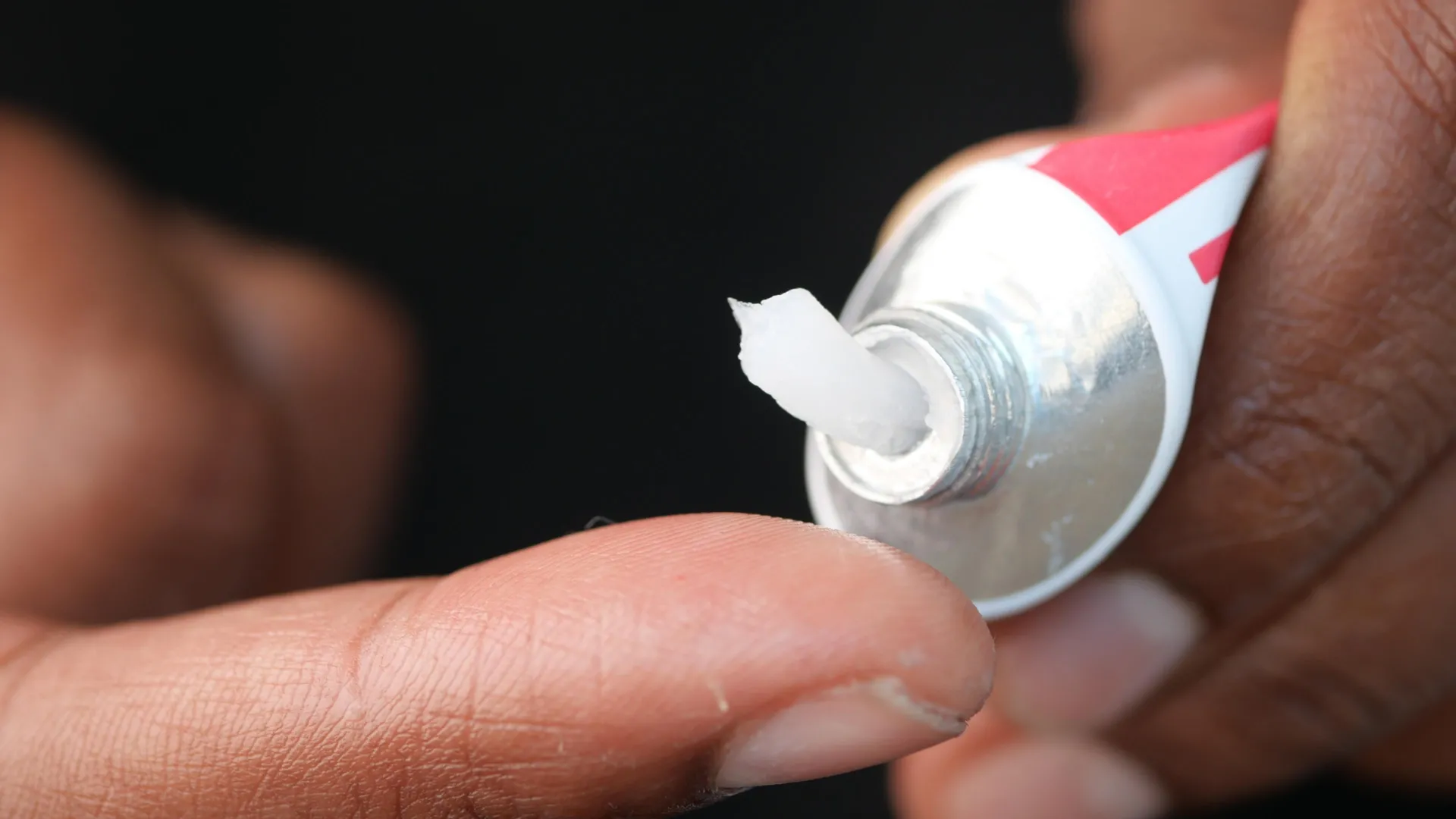
Scientists have discovered that a topical anti-aging drug called ABT-263 can dramatically improve wound healing in older skin. The treatment works by removing damaged “senescent” cells that accumulate with age and slow the body’s repair process. In aged mice, wounds healed much faster after treatment, while the drug also activated genes tied to collagen production and tissue regeneration.
I have long observed how the skin’s ability to repair itself diminishes with time. This research, while currently confined to laboratory models, offers a compelling look at how we might eventually intervene in the aging process at a cellular level. Below, we examine the science behind these findings and what they imply for future dermatological therapies.
Understanding Senescent Cells and Aging
Senescent cells are cells that have ceased to divide but remain metabolically active. Over time, these cells accumulate in tissues, secreting inflammatory factors that interfere with the function of neighboring healthy cells. This phenomenon is widely recognized in gerontology as a primary driver of age-related tissue dysfunction. The buildup of these cells is linked to various chronic conditions and a decline in the body’s ability to repair injuries.
The drug ABT-263 acts by removing damaged senescent cells. In experiments involving aged mice, topical application of the agent effectively cleared these senescent populations. The result was a measurable increase in the speed at which skin wounds healed.
Mechanisms of Improved Tissue Regeneration
The primary benefit observed in these studies is the restoration of the skin’s regenerative signaling pathways. In aged skin, the presence of senescent cells often suppresses the expression of genes responsible for collagen production and the formation of a healthy extracellular matrix. When these cells are removed, the surrounding tissue environment shifts back toward a state resembling that of younger, more resilient skin.
The treatment appears to address the repair process typically seen in elderly populations. By clearing the cellular clutter, the drug also activated genes tied to collagen production and tissue regeneration.
Clinical Considerations and Future Directions
While the results in murine models are promising, it is critical to distinguish these findings from human clinical applications. The transition from laboratory study to clinical dermatology requires rigorous safety testing and the development of delivery systems.
Current research efforts are focused on refining topical delivery methods to ensure the drug remains localized to the skin. The goal is to maximize the senolytic effect while preventing the drug from entering the bloodstream, where it could interfere with healthy cell populations in the bone marrow or other organs. The drug development process for new topical applications necessitates multi-phase clinical trials to establish both efficacy and long-term safety profiles before any such treatment can be considered for public use.
What Happens Next?
The scientific community is currently monitoring the progression of senolytic therapies through various stages of pre-clinical and early-phase clinical testing. Researchers are now looking to identify biomarkers that can accurately measure the clearance of senescent cells in humans, which would provide a clearer metric for the success of these treatments.
For those interested in the latest developments in skin health and regenerative medicine, updates are regularly published in peer-reviewed journals. As we await further data, the focus remains on ensuring that these interventions are not only effective in reversing cellular aging but are also safe for long-term dermatological application. We will continue to track the results of these trials as they move toward potential human safety evaluations.
Have you followed recent advancements in senolytic research? We welcome your thoughts on how these medical breakthroughs might change the landscape of aging—please share your comments or questions below.