
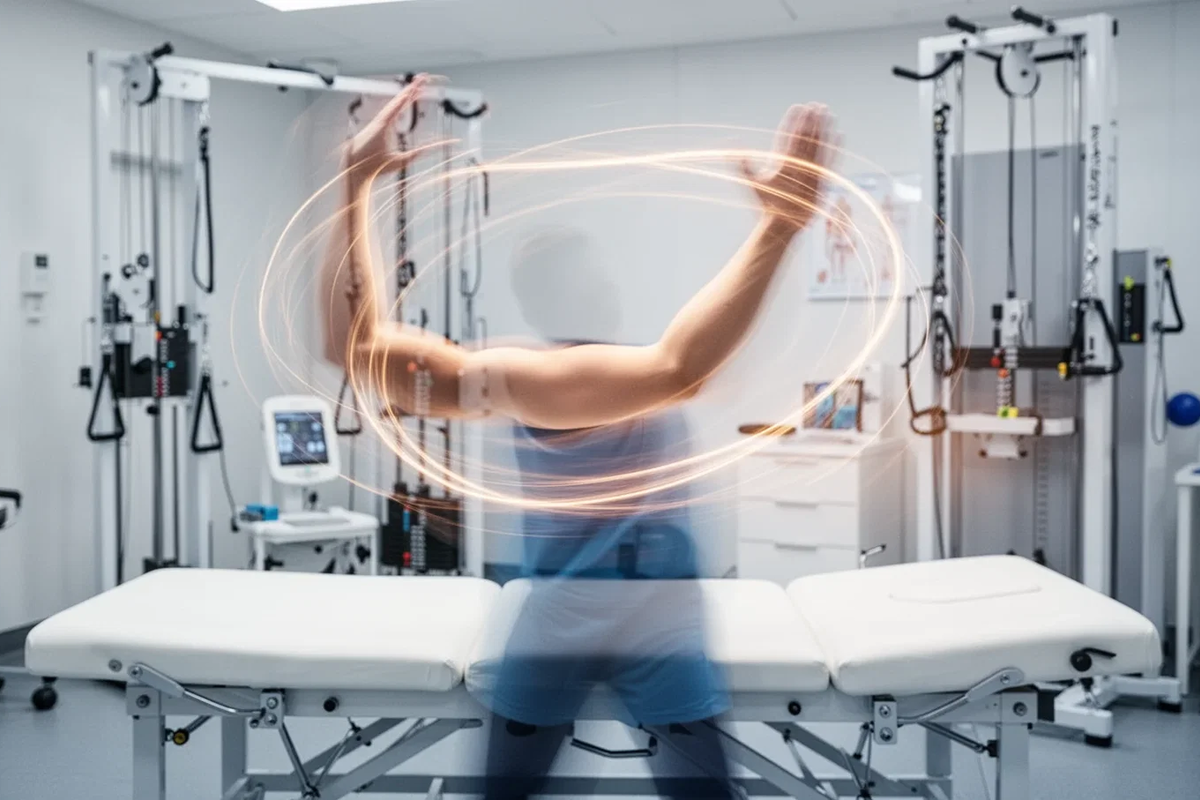
Scientific breakthroughs reported in early April 2026 are signaling a fundamental paradigm shift in the clinical approach to treating chronic joint pain and muscle wasting. Latest data indicates that the traditional reliance on pain medication is being superseded by a more integrated strategy that combines targeted movement therapy with regenerative medicine.
At the center of this evolution is the ARPA-H NITRO program. According to recent findings, the combination of movement-based interventions and regenerative injections has proven significantly more effective at treating chronic joint pain than the apply of pain relievers alone. This approach marks a move away from symptom suppression and toward the activation of the body’s own internal repair mechanisms via the NITRO program.
For millions of patients worldwide, the struggle with chronic joint instability and muscle loss has often been a cycle of temporary relief followed by further decline. The integration of neuroplasticity studies into these treatment protocols suggests that the brain and nervous system play a much larger role in pain perception and recovery than previously emphasized in standard orthopedic care.
Breaking the Cycle of Central Sensitization
A critical component of this new medical understanding is the identification of “central sensitization.” Clinical analyses released on April 6, 2026, highlight this phenomenon as a primary obstacle in chronic pain recovery as detailed in recent clinical reports. Central sensitization occurs when the nervous system becomes hypersensitive, causing the body to continue experiencing pain even after the original injury has healed.
This hypersensitivity often leads to a dangerous behavioral pattern known as “guarding” or “protective posture.” When patients avoid movement to prevent pain, they inadvertently accelerate muscle wasting (atrophy) and further destabilize the joints. This creates a self-perpetuating cycle: pain leads to inactivity, which leads to muscle weakness, which in turn increases joint instability and heightens the perception of pain.
Movement therapy aims to break this cycle by providing targeted impulses to the nervous system. By utilizing controlled, consistent motion, clinicians can help “retrain” the nervous system and reduce the oversensitivity associated with central sensitization. This process not only restores physical function but can also significantly decrease a patient’s long-term dependence on medication.
The Role of Regenerative Medicine and Targeted Exercise
The NITRO program emphasizes that movement alone is often not enough for severe chronic cases; rather, it is the synergy between movement and regenerative medicine that yields the best results. Regenerative injections are used to prime the joint environment, while specialized physiotherapy ensures the surrounding musculature can support the joint.

Specific functional exercises are being highlighted for their ability to restore strength and prevent re-injury. For instance, the “Prone I-Y-T” series has been identified as a particularly effective sequence for restoring functional strength in the shoulders as part of the NITRO-focused movement strategies. These types of targeted movements address the root causes of pain—such as stiffness, poor posture, and muscle weakness—rather than simply masking the sensation of pain.
Understanding Muscle Atrophy and Neuromuscular Health
While the NITRO program focuses on recovery from joint pain and secondary muscle loss, it is important to distinguish this from primary neuromuscular diseases. Muscle atrophy, or “Muskelschwund,” is a symptom characterized by the decrease of muscle mass, but it is not a diagnosis in itself.
In Germany alone, more than 100,000 people are affected by one of approximately 800 different neuromuscular diseases according to the Gesellschaft für Muskelkranke. These conditions can stem from various sources, including:
- Motor neurons in the spinal cord (second motor neuron).
- Nerve pathways.
- The transmission point between the nerve fiber and the muscle.
- The muscle tissue itself.
These diseases can be primary (hereditary) or secondary (acquired), and they require precise diagnostic clarity to determine the appropriate therapeutic path, which differs significantly from the movement therapy used for joint-related chronic pain.
Special Considerations: Menopause and Joint Health
The intersection of hormonal health and joint stability is another area where the paradigm of “normal wear and tear” is being challenged. Women between the ages of 40 and 60 frequently report joint and muscle pain that is often overlooked or misattributed to aging.
Research indicates that estrogen deficiency during menopause can contribute significantly to joint stiffness and muscle pain. This is sometimes referred to as the “Musculoskeletal Menopause Syndrome.” A prominent example is the “Frozen Shoulder” (adhesive capsulitis), an inflammatory condition of the shoulder joint capsule that causes severe pain and restriction of movement as noted in menopause health analysis.
Because these symptoms—such as stiff shoulders or morning stiffness in the hands—often do not appear on X-rays, they are frequently dismissed. But, recognizing the link between hormonal shifts and musculoskeletal health is essential for implementing the correct movement and regenerative therapies.
Key Takeaways for Patients and Caregivers
- Combination Therapy: The most effective treatment for chronic joint pain now involves combining regenerative injections with movement therapy, rather than relying solely on painkillers.
- Central Sensitization: Chronic pain can persist without a new injury because the nervous system becomes hypersensitive; targeted movement helps break this cycle.
- Avoiding the Guarding Trap: Avoiding movement to prevent pain often leads to muscle atrophy and joint instability, worsening the condition over time.
- Hormonal Links: Women in menopause should be aware that estrogen deficiency can manifest as joint and muscle pain, including conditions like Frozen Shoulder.
- Diagnostic Precision: Muscle wasting can be a symptom of various issues, from joint-related inactivity to rare neuromuscular diseases affecting over 100,000 people in Germany.
Moving Forward: The Future of Joint Care
The shift toward activating the body’s own repair mechanisms represents a broader trend in medicine: moving from passive treatment to active recovery. By focusing on neuroplasticity and the synergy between regenerative medicine and physical activity, the medical community aims to restore not just the absence of pain, but full functional mobility.
Medical experts are currently focusing on further refining the activation of these internal repair mechanisms to expand the efficacy of the NITRO program across different patient demographics. Patients experiencing chronic joint pain are encouraged to consult with specialists about integrated movement therapies and the potential for regenerative treatments.
World Today Journal will continue to monitor the implementation of ARPA-H NITRO program protocols as more clinical data becomes available. We invite our readers to share their experiences with regenerative therapies in the comments below.