
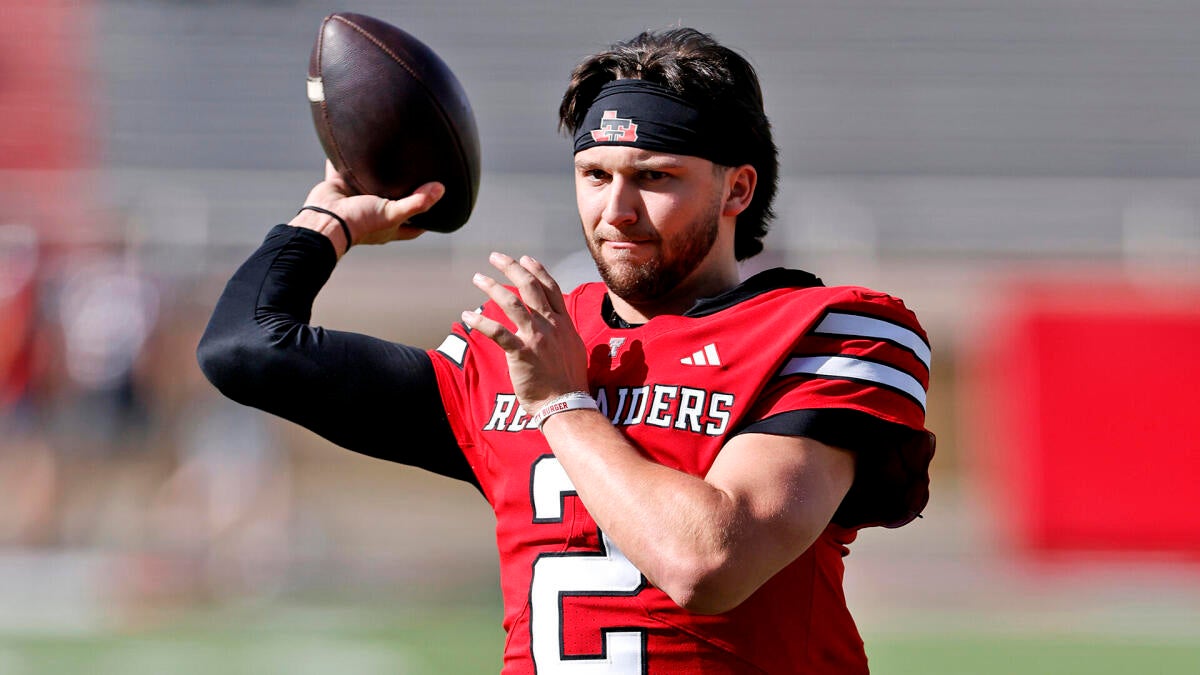
University of Cincinnati quarterback Brendan Sorsby has opted against pursuing legal action to challenge NFL draft eligibility rules, effectively closing the door on a potential 2026 professional entry. According to reports confirmed by multiple collegiate sports outlets, Sorsby will instead focus on his development with the Bearcats, positioning himself to enter the professional ranks during the 2027 NFL Draft cycle.
The decision provides clarity for the Cincinnati football program as it navigates the evolving landscape of player eligibility and name, image, and likeness (NIL) considerations. While some high-profile collegiate athletes have explored litigation to bypass the NFL’s “three-year rule”—which requires prospects to be at least three years removed from high school graduation—Sorsby’s path remains aligned with standard conference and league regulations.
Understanding NFL Eligibility Requirements
The NFL’s current collective bargaining agreement with the NFL Players Association mandates that players must be at least three years removed from their high school graduation to be eligible for the draft. This policy has remained a focal point of debate in college football, as athletes seek earlier access to professional salaries. For a player like Sorsby, attempting to force entry into the 2026 draft would have required a successful legal challenge to these established bylaws, a process that carries significant financial and personal risk.
Legal experts note that previous attempts to challenge these eligibility requirements have faced steep hurdles in federal courts. The NFL maintains that its draft rules are protected under the antitrust exemption granted to the league, a stance consistently upheld in past litigation involving professional sports leagues. By choosing to bypass a legal battle, Sorsby avoids the uncertainty of a court-mandated eligibility window, opting instead for a traditional developmental trajectory in the Big 12 Conference.
Strategic Impact on the Bearcats
For the University of Cincinnati, Sorsby’s commitment to the 2027 timeline serves as a stabilizing factor for the team’s offensive planning. Sorsby, who transferred to Cincinnati following a tenure at Indiana, has emerged as a central figure in head coach Scott Satterfield’s offensive system. His decision ensures that the Bearcats will retain their primary signal-caller for the upcoming seasons, providing consistency in a sport where roster turnover has accelerated due to the transfer portal.

The decision to wait until 2027 allows Sorsby to accumulate additional game tape and experience in a high-level conference. NFL scouts generally prioritize multi-year starters who demonstrate the ability to process complex defensive schemes. By spending another season at the collegiate level, Sorsby can refine his mechanics and leadership skills, which are essential metrics for professional evaluations.
The 2027 Draft Outlook
Looking toward the 2027 NFL Draft, the landscape for quarterbacks remains highly competitive. Sorsby’s decision to align with this timeline places him in a class that will likely be defined by players who have maximized their collegiate eligibility. The NFL scouting process, coordinated through the annual Scouting Combine and individual pro days, relies heavily on data points gathered over a player’s full tenure in college football.
According to current projections from analysts at NFL.com, the transition from college to professional play is increasingly dependent on a player’s maturity and physical readiness. By opting out of a premature legal challenge, Sorsby is prioritizing his long-term health and professional standing. The focus for the remainder of his collegiate career will center on improving his efficiency, turnover ratios, and success rate within the Big 12 competitive environment.
Next Steps for Collegiate Prospects
The debate surrounding draft eligibility is expected to continue as the NCAA and the NFL monitor potential shifts in labor laws and federal regulations. However, for the immediate future, athletes remain bound by the existing framework of the NFL Players Association guidelines. Players seeking updates on their specific eligibility status often coordinate with their university’s compliance departments, which work directly with the NFL to verify individual timelines.
As Sorsby continues his preparations for the upcoming season, the focus remains on the field. The next major checkpoint in this process will be the conclusion of the 2026 collegiate season, at which point draft-eligible players will formally declare their intentions to the league office. Fans and analysts interested in tracking player developments can find official updates through the university’s athletic portal or via the league’s standard media channels.
We welcome your thoughts on the current state of NFL draft eligibility rules and their impact on collegiate athletes. Join the conversation in the comments section below to share your perspective on the changing dynamics of modern football.