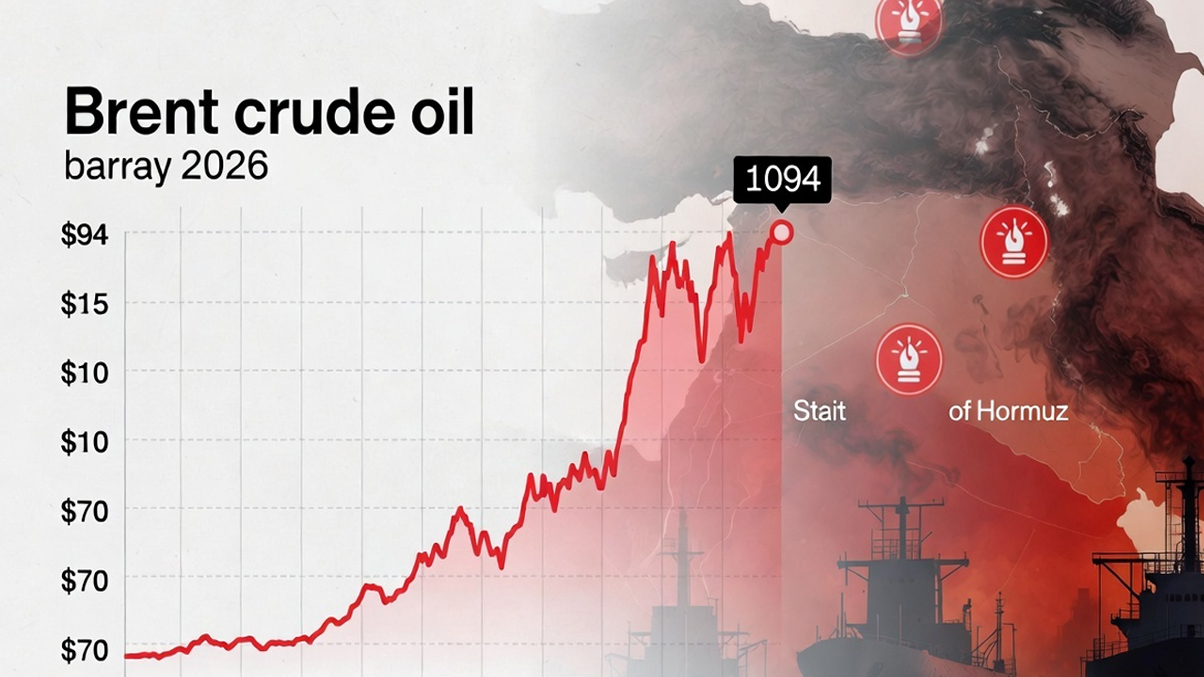
Global crude oil prices dipped below the $80 per barrel threshold this week, marking the lowest valuation for Brent crude since March. This downward trend in energy markets follows shifting geopolitical expectations regarding the stability of maritime transit routes in the Middle East, a region critical to global energy supply chains. As of midday trading, Brent crude futures for August delivery saw a decline of 3.72%, reflecting broader market reactions to evolving diplomatic signals and supply-side projections, according to data tracked by Reuters Energy Markets.
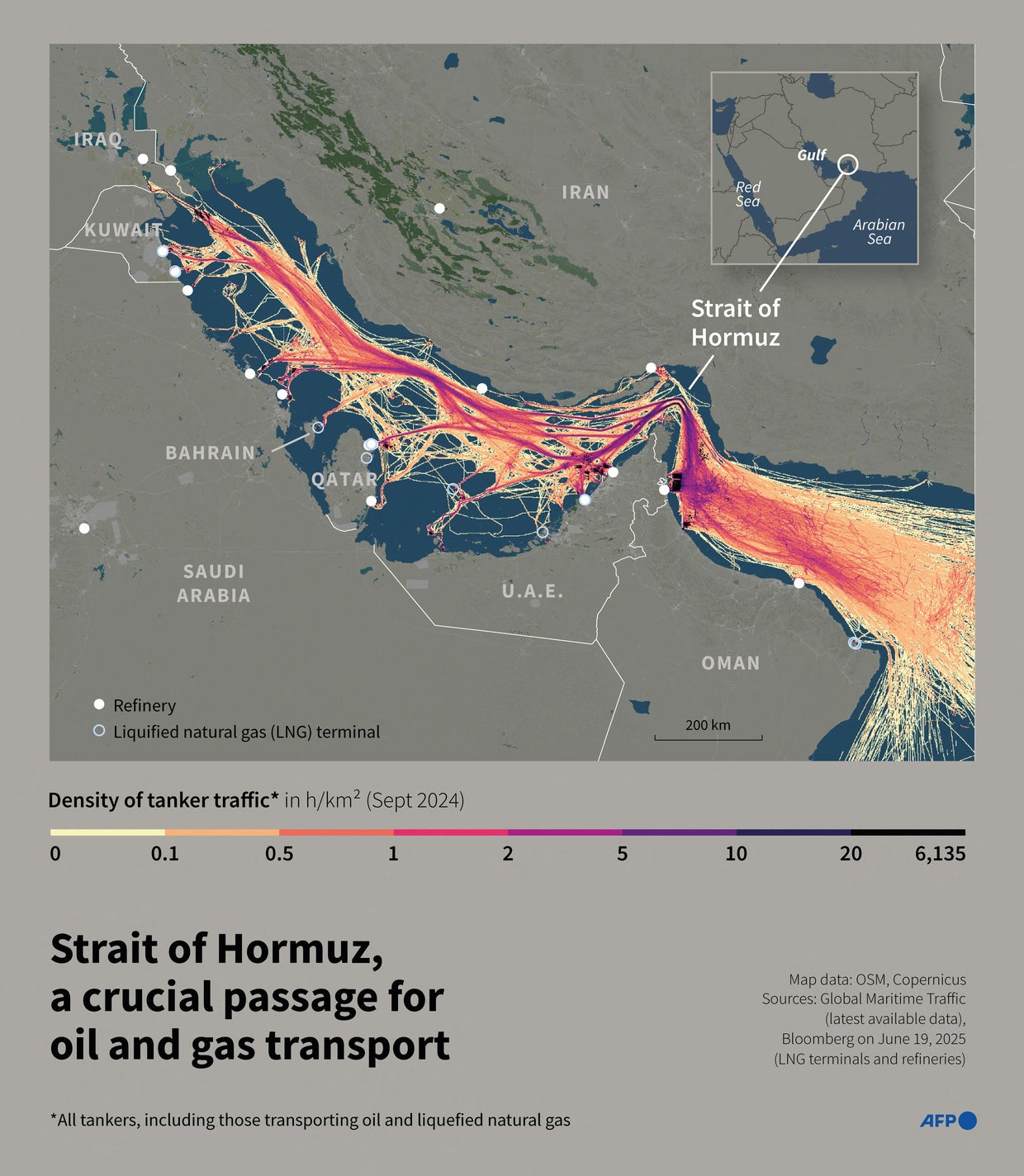
The price movement underscores the high sensitivity of commodity markets to developments in the Persian Gulf and the Strait of Hormuz. For months, investors have priced in a “geopolitical risk premium” due to concerns over potential supply disruptions. The recent easing of these concerns has prompted a rapid recalibration of futures contracts, as the market balances long-standing supply constraints against the prospect of improved transit security. This shift highlights how quickly energy prices respond to shifts in international policy, as noted in recent International Energy Agency (IEA) market analysis.
Market Drivers Behind the Price Adjustment
The primary driver behind the current price volatility is the market’s interpretation of ongoing diplomatic efforts aimed at stabilizing regional tensions. When major producers or transit-critical regions face instability, supply chain uncertainty often pushes prices upward. Conversely, indicators of de-escalation allow traders to unwind positions that were previously hedged against conflict-related supply shocks. The drop below $80 represents a technical and psychological breach of a support level that has held firm for several months, signaling a potential shift in investor sentiment toward a more stable, albeit still complex, regional outlook.
Beyond geopolitical news, the broader macroeconomic environment continues to influence crude valuations. Central bank policies in the United States and the European Union, which have maintained elevated interest rates to combat inflation, have dampened global demand forecasts. According to the International Monetary Fund (IMF) World Economic Outlook, sustained high borrowing costs remain a significant headwind for industrial energy consumption. When industrial output slows, the demand for refined products—and consequently crude oil—typically softens, providing further downward pressure on prices.
Impact on Global Energy Consumers
For the average consumer, the fluctuation in crude prices often translates into adjustments at the fuel pump, though these changes are rarely immediate. Retail gasoline and diesel prices are influenced by a complex web of refining margins, local taxation, and distribution costs. While a decrease in the cost of a barrel of oil is a positive indicator for inflationary pressure, the lag time between international commodity price drops and local pump price reductions can vary significantly by jurisdiction. In the United Kingdom and across Europe, energy retailers must account for existing inventory costs before passing savings on to the consumer, according to the UK Department for Energy Security and Net Zero.
Businesses, particularly those in the logistics and aviation sectors, stand to benefit most from a sustained decline in fuel prices. Reduced overhead costs for transportation can provide a buffer against inflation, potentially lowering the cost of goods sold. However, energy analysts caution that the volatility remains high. As noted by the OPEC Monthly Oil Market Report, supply-side management by major oil-producing nations remains a critical variable that could counteract the downward pressure caused by geopolitical de-escalation.
Future Market Outlook
Market participants are now looking toward upcoming policy meetings and data releases to determine if the sub-$80 price point will hold. The next critical checkpoint for the industry will be the next scheduled ministerial gathering of major oil-producing nations, where production quotas for the autumn and winter months will be debated. Any decision to extend or deepen existing production cuts could quickly reverse the current downward trend, regardless of the diplomatic situation in the Middle East.

Investors are advised to monitor official statements from the U.S. Department of Energy and international regulatory bodies for updates on supply chain security and strategic reserve movements. Given the current velocity of market changes, retail energy prices may continue to see significant volatility in the coming weeks. We encourage our readers to participate in the conversation by sharing their perspectives on how these energy market shifts are impacting their local economies in the comments section below.
Related reading