The economic impact of Brexit continues to shape British political discourse as a senior government minister prepares to argue that the United Kingdom’s international standing has been diminished by the 2016 referendum decision. This critique arrives as part of a broader shift in how the current administration addresses the long-term consequences of the UK’s departure from the European Union, specifically challenging the narrative promoted by prominent Leave campaigners.
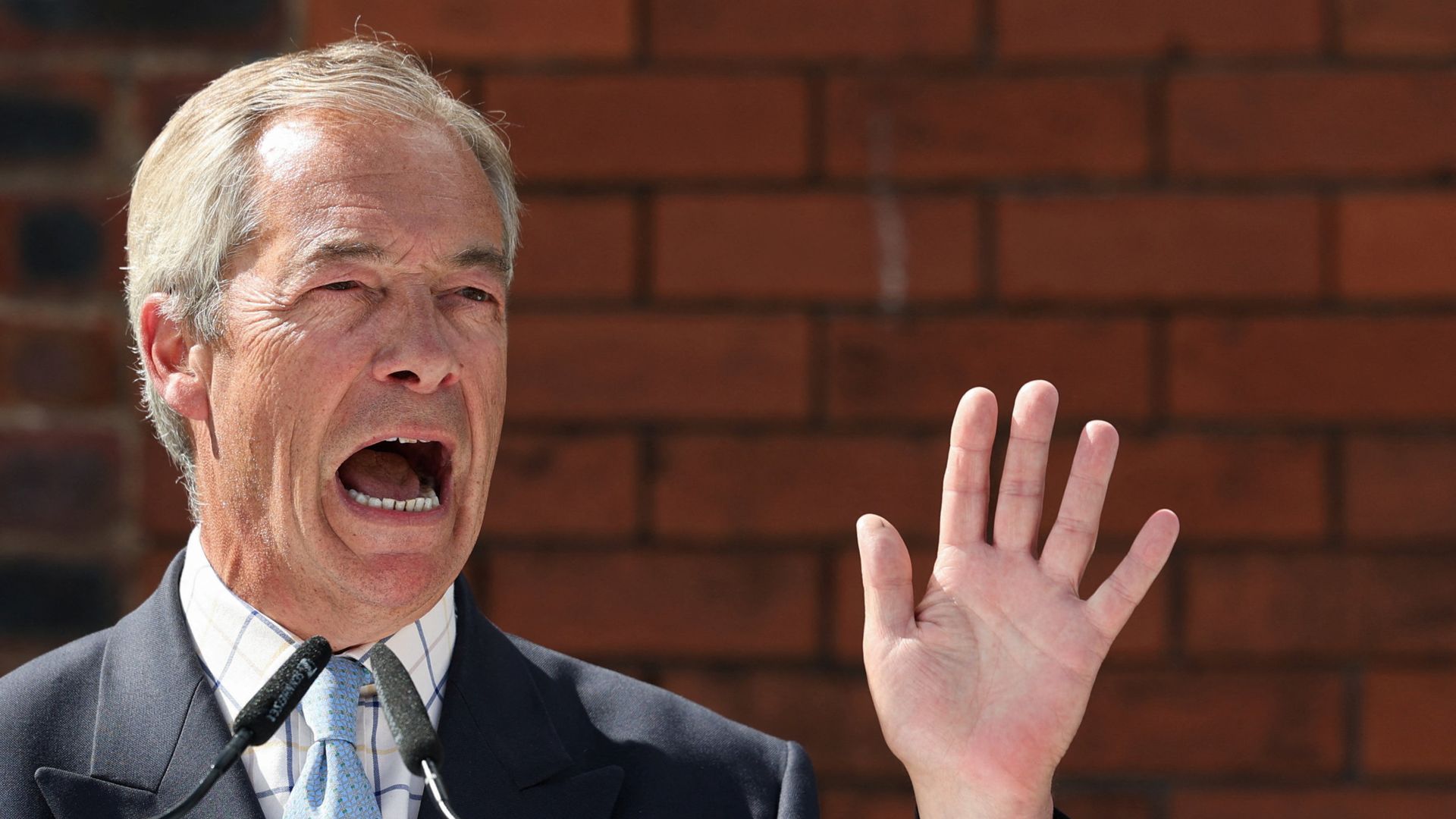
According to reports, the minister plans to assert that the architects of the Brexit campaign, including figures such as Nigel Farage, have distanced themselves from the tangible economic and geopolitical fallout of the policy. This claim touches on a central tension in contemporary British politics: the debate over whether the UK’s current economic stagnation and reduced global influence are direct results of the structural changes implemented following the European Union (Withdrawal Agreement) Act 2020.
The Economic Context of Post-Brexit Britain
Data from the Office for National Statistics (ONS) provides a quantitative framework for this ongoing debate. Since the transition period ended on December 31, 2020, the UK economy has faced significant headwinds, including supply chain disruptions and shifts in trade patterns. The Office for Budget Responsibility (OBR) has consistently maintained that Brexit will result in the UK’s potential GDP being approximately 4% lower in the long run than it would have been had the country remained in the European Union.

This projection remains a primary point of contention. Supporters of the 2016 vote often argue that the OBR’s models fail to account for potential regulatory freedoms that could spur growth in sectors such as financial services and technology. However, critics point to the decline in business investment since the referendum as evidence of a “Brexit penalty” that has stifled productivity. The debate is no longer merely about the initial vote, but about how the UK manages its trade relationship with its largest market moving forward.
Changing Political Narratives
The assertion that leading Brexit advocates are avoiding the subject of its outcomes reflects a broader strategic pivot within the UK government. By highlighting the alleged reluctance of figures like Nigel Farage to discuss the current state of the economy, the minister is attempting to frame the Brexit project as a failed experiment that its proponents are no longer willing to defend in the face of statistical evidence.
This rhetoric serves to sharpen the contrast between the promises made during the 2016 campaign—such as the claim that the UK would secure superior trade deals independently—and the reality of the current Trade and Cooperation Agreement. While the agreement avoided a “no-deal” scenario, it introduced new non-tariff barriers that have increased costs for small and medium-sized enterprises (SMEs) exporting to the continent.
Impact on Global Standing
Beyond domestic economic metrics, the minister’s claim focuses on the UK’s “standing in the world.” This subjective measure often refers to the country’s diplomatic leverage and its ability to influence international norms. Analysts at the Chatham House have noted that while the UK retains significant soft power, its influence within European security and regulatory frameworks has been curtailed, necessitating a recalibration of its foreign policy strategy.
For the average citizen, this manifests in the complexities of travel, the cost of imported goods, and the administrative burden of cross-border trade. The government’s decision to bring these issues back into the spotlight suggests an intent to reset the relationship with the EU. Whether this involves seeking a closer alignment on specific sectors or maintaining the current distance remains a matter of active negotiation and internal policy review.
What Happens Next
The discourse surrounding Brexit is expected to remain a fixture of the upcoming parliamentary sessions, particularly as the government prepares for its next series of trade reviews and potential regulatory updates. The next formal opportunity for the government to outline its long-term strategy for EU relations will likely coincide with the publication of the next OBR fiscal outlook, which will provide updated data on the long-term impact of trade barriers.

As the debate continues, the focus will likely shift from the historical arguments of 2016 to the practical realities of the 2025 legislative agenda. Observers can track these developments through the official records of the UK Parliament, where upcoming debates and white papers on trade policy are published. We encourage readers to share their perspectives on this issue in the comments section below as we continue to track the economic and diplomatic developments of this transition.
Worth a look