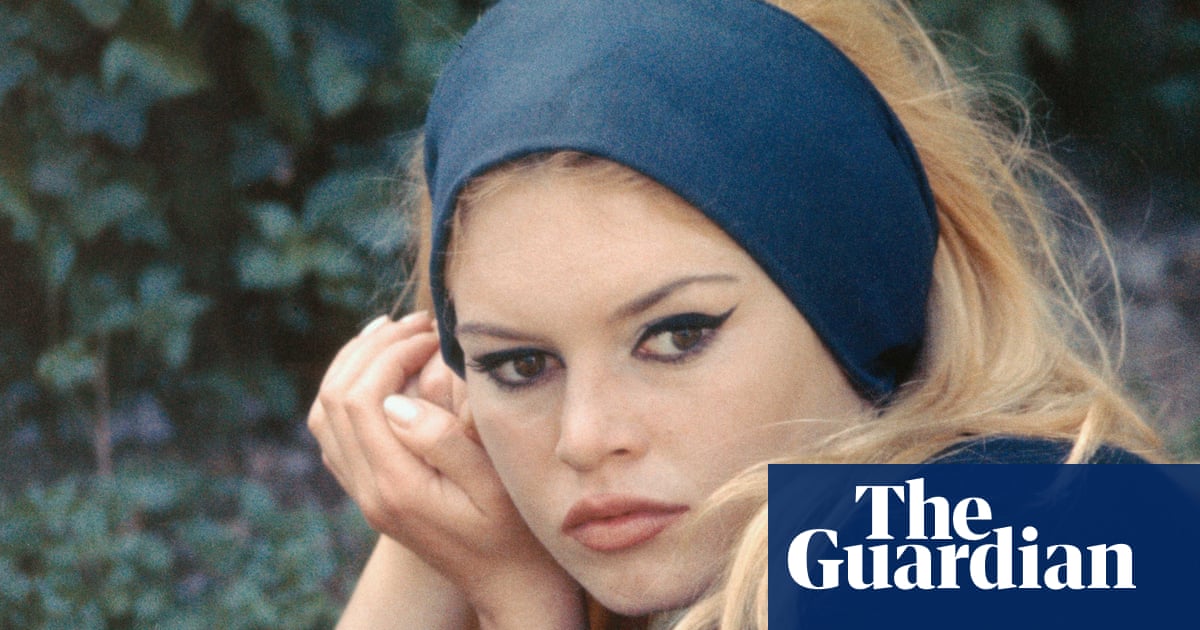
Brigitte Bardot: From Cinematic Icon to Controversial Advocate
Brigitte Bardot‘s name remains synonymous with a certain era of French cinema – a time of effortless cool and captivating beauty. However, her story extends far beyond the silver screen, evolving into a complex narrative of disillusionment, passionate activism, and ultimately, controversy. This is the story of a woman who captivated the world, then challenged it on her own terms.
Early Life and Rise to Stardom
Born in 1934, Bardot quickly ascended to international fame in the 1950s. Films like And God Created woman (1956) propelled her to icon status,establishing her as a symbol of liberated femininity. She embodied a playful sensuality that resonated deeply with audiences, making her one of the most recognizable faces of the decade.
But the intense scrutiny and relentless pressure of fame soon took their toll. She confessed feeling unprepared for the “madness” surrounding her, a sentiment that foreshadowed her eventual departure from the acting world.
A Shift in Focus: Animal Rights Activism
In 1973, at the relatively young age of 39, Bardot retired from acting. This wasn’t a retreat into quiet seclusion, however. Instead, she dedicated her life to animal protection, a cause that became her defining passion.
Her commitment manifested in several ways:
* Direct Action: she actively participated in protests, notably joining campaigns against the Canadian seal hunts in 1977.
* Foundation Establishment: In 1986, she founded the brigitte Bardot Foundation, a non-profit institution dedicated to animal welfare.
* Global Advocacy: She relentlessly wrote letters to world leaders, voicing concerns about issues ranging from dog culling in Romania to dolphin hunts in the Faroe Islands and feral cat management in Australia.
Controversy and Political Views
while her dedication to animals was unwavering, Bardot’s outspokenness frequently enough landed her in hot water. She didn’t shy away from expressing strong opinions on a range of social and political issues, and these views frequently sparked outrage.
Specifically, her 2003 book, A Cry in the Silence, revealed right-leaning political leanings and controversial statements targeting minority groups.these included criticisms of the LGBTQ+ community and concerns about the perceived “Islamisation of French society.” Consequently, she faced legal repercussions, including a conviction for inciting racial hatred.
Furthermore, Bardot maintained a long-standing association with the Rassemblement National (RN), formerly known as the national Front, openly expressing agreement with its founder, Jean-Marie Le Pen, on issues of immigration. you might find these views unsettling, and they certainly intricate her public image.
Personal Life
Bardot’s romantic life was as captivating as her career. She experienced four marriages:
- Roger Vadim (1952-1957)
- Jacques Charrier (1959-1962), with whom she had a son, Nicolas.
- Gunther Sachs (1966-1969)
- Bernard d’Ormale (1992-present)
Beyond marriage, she had notable relationships with actors Jean-Louis Trintignant and Serge Gainsbourg, further cementing her status as a cultural icon.
A Lasting Legacy
Brigitte Bardot remains a figure of enduring interest. She represents a complex blend of beauty, talent, activism, and controversy. While her later views alienated many, her early contributions to cinema and her unwavering dedication to animal welfare are undeniable.
Ultimately, her story serves as a reminder that even the most celebrated figures are multifaceted individuals, capable of both inspiring admiration and provoking debate. You can appreciate her artistic achievements while simultaneously acknowledging the problematic aspects of her public persona. Her life is a testament to the power of individual conviction,even when that conviction leads down a controversial path.
Worth a look