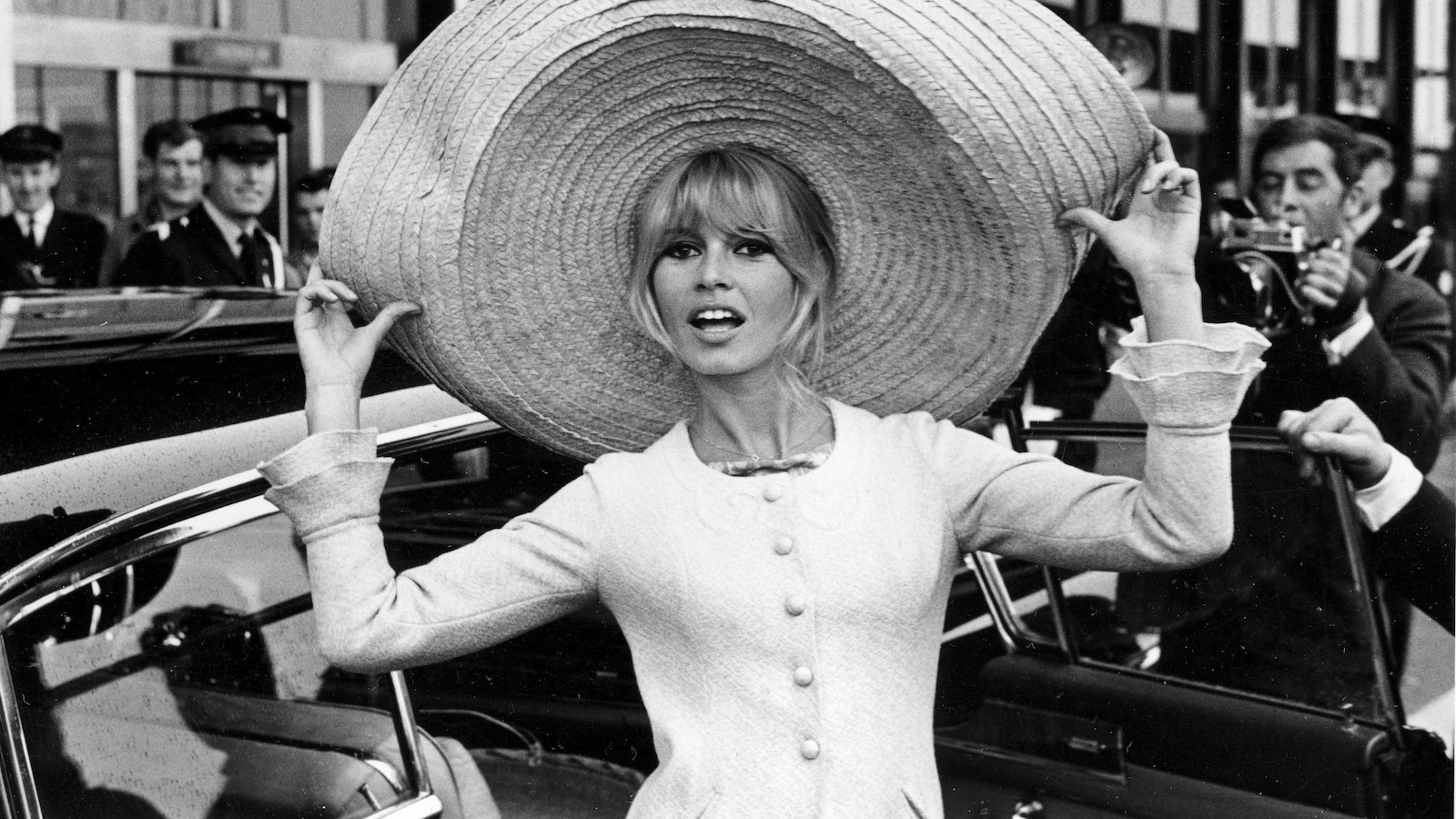
Brigitte Bardot: From Screen Siren to Fierce Animal Advocate
brigitte bardot remains a captivating figure, transitioning from one of cinema’s most iconic stars to a dedicated, and often controversial, animal rights activist. Her story is one of reinvention, revealing a woman who ultimately prioritized compassion over the spotlight.
Bardot burst onto the scene in the late 1950s, quickly becoming a symbol of French allure and a global sex symbol. Films like “The Truth” (1960), “Private Life” (1962), and “A Ravishing Idiot” (1964) cemented her status, though frequently enough focused more on her image than complex narratives. “Shalako” (1968), “Women” (1969), “The Bear And The Doll” (1970), “Rum Boulevard” (1971), and ”Don Juan” (1973) followed, continuing this trend.
Though, Bardot herself felt constrained by the roles offered to her. With the notable exception of Jean-Luc Godard’s critically acclaimed “Contempt” (1963), she found many scripts lacked depth. She openly admitted filmmaking wasn’t a true passion, even expressing fear of the pressures that consumed stars like Marilyn Monroe.
At the relatively young age of 39, in 1973, Bardot made a surprising decision: she retired from acting after completing “The Woman Grabber.” This wasn’t a retreat into quiet leisure, though. Instead, it marked the beginning of a new chapter fueled by a profound commitment to animal welfare.
A Transformation: From Actress to Activist
A decade after leaving the screen, Bardot re-emerged with a strikingly different public persona. Years of heavy smoking had deepened her voice and etched lines on her face, a stark contrast to her youthful beauty. She had sold off her glamorous possessions – jewelry and movie memorabilia – to establish a foundation dedicated solely to preventing animal cruelty.
Her activism was relentless and spanned continents. You might recall her urging South Korea to ban the dog meat trade or her direct appeal to President Bill Clinton regarding the U.S. Navy’s dolphin recapture program.
Bardot didn’t shy away from challenging deeply ingrained traditions. She actively campaigned against practices like the Palio horse race in Italy and spoke out on behalf of vulnerable creatures like wolves, rabbits, kittens, and turtle doves.
Controversy and Conviction
Understandably, her passionate advocacy wasn’t without controversy. Bardot frequently enough expressed her views with uncompromising directness, leading to legal repercussions and public backlash. She faced convictions for inciting racial hatred and drew criticism for her opposition to Muslim ritual slaughter.
In 1997, several towns removed statues of Marianne – a symbol of France – inspired by Bardot after she voiced anti-immigrant sentiments. She also received death threats following her call for a ban on horse meat sales.
Despite the criticism, Bardot remained steadfast in her beliefs. She openly identified with the animals she fought to protect, stating, “I can understand hunted animals because of the way I was treated.” She felt exploited by the relentless scrutiny of the press, describing her experience as “inhuman” and “constantly surrounded by the world press.”
Ultimately, Brigitte Bardot’s life is a testament to the power of transformation and the enduring impact of compassion. She traded the adoration of millions for the challenging, and frequently enough turbulent, path of an advocate, leaving behind a legacy that extends far beyond the silver screen.
Worth a look