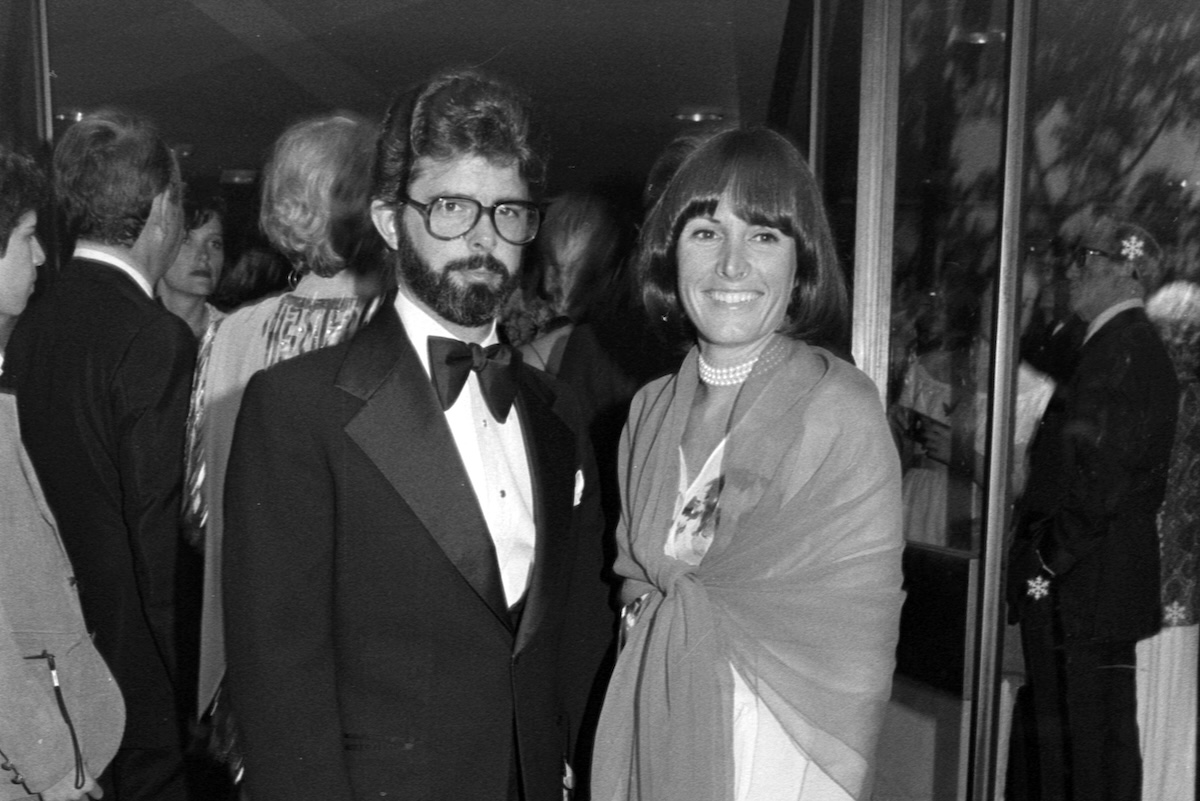
The global cinematic community is mourning the loss of a foundational figure in film history. Marcia Lucas, the Oscar-winning film editor whose precision and narrative intuition helped define the aesthetic of the original Star Wars trilogy, has passed away at the age of 80. Her death was confirmed by family representatives, who noted that she had been battling cancer in California.
As a journalist who has spent over a decade documenting the intersection of creativity and technical mastery, I find it essential to frame Marcia Lucas not merely as a contributor to a franchise, but as a structural architect of modern blockbuster storytelling. Her work on the 1977 original Star Wars (later subtitled A New Hope) earned her the Academy Award for Best Film Editing, a testament to her ability to synthesize complex, high-stakes visual sequences into a coherent, emotionally resonant narrative.
An Architect of Modern Cinema
While the cultural impact of Star Wars is often discussed through the lens of direction and special effects, historians and industry insiders have long pointed to the editorial room as the place where the film was truly saved. Marcia Lucas played a critical role in shaping the pacing of the 1977 film. Her editorial choices—specifically in the climactic Death Star trench run—are frequently cited by film scholars as the primary reason the sequence achieved such legendary status. By emphasizing the tension of the rebel pilots against the ticking clock of the Empire, she crafted a blueprint for action sequences that remains the industry standard nearly five decades later.

Beyond her work on the original trilogy, which included editing The Empire Strikes Back and Return of the Jedi, Lucas was a frequent collaborator with some of the most influential figures in Hollywood. Her editing credits extend to seminal works such as Martin Scorsese’s Taxi Driver and Alice Doesn’t Live Here Anymore, and she served as an assistant editor on George Lucas’s American Graffiti. Her ability to navigate both the gritty realism of 1970s New Hollywood and the high-concept world of space opera highlights a rare versatility that cemented her status as a titan of the craft.
A Legacy of Narrative Precision
Family members and colleagues have remembered her as a brilliant storyteller who possessed a rare ability to “see” the story within the raw footage. Her influence on the industry was not limited to her own cuts; she was a mentor and a quiet force in an era where the role of the editor was often overshadowed by the director. The death of Marcia Lucas marks the end of an era for the generation of filmmakers who revolutionized studio output in the late 20th century.
Her work is a primary subject of study for anyone interested in the mechanics of film. The way she handled the “Trench Run” in A New Hope provides a masterclass in spatial continuity and rhythmic editing. By cutting between the cockpit views, the surface of the Death Star, and the command center, she maintained a sense of geography that allowed audiences to track the progress of the mission despite the chaotic nature of the dogfight.
Understanding the Impact
To understand why Marcia Lucas’s passing resonates so deeply, one must look at the evolution of the film editor’s role. In the 1970s, the editor became a co-author of the film’s tone. Lucas was instrumental in the development of the “New Hollywood” style, which leaned into faster pacing and more aggressive cuts compared to the more theatrical, slower-paced films of previous decades.
For those looking to explore her contributions further, the Academy of Motion Picture Arts and Sciences maintains an extensive digital archive that catalogs the technical achievements of her peers and collaborators. Her legacy is one of technical discipline merged with an innate understanding of human emotion—the ability to know exactly when to cut to a reaction shot to maximize the audience’s investment in the protagonist’s journey.
Key Milestones in a Distinguished Career
- 1973: Assisted in the editing of American Graffiti, which helped establish the visual language of the era.
- 1976: Contributed her editing expertise to the gritty, character-driven masterpiece Taxi Driver.
- 1978: Awarded the Academy Award for Best Film Editing for her work on Star Wars: A New Hope.
- 1980–1983: Served as a key editorial voice for the expansion of the Star Wars saga in The Empire Strikes Back and Return of the Jedi.
Reflecting on a Cinematic Titan
The loss of Marcia Lucas invites a broader conversation about the unsung heroes of the production process. As we look back at the films that shaped our cultural landscape, it is vital to acknowledge the editorial decisions that made those films work. Her career was defined by a commitment to the “story first” philosophy, ensuring that even in the most ambitious science fiction projects, the heart of the character arc remained the priority.

While there are no public memorials scheduled at this time, the outpouring of tributes from the film community serves as a reminder of the respect she commanded among her peers. Her work remains, as it always has, a standard-bearer for excellence in editing. For those of us who follow the evolution of film, her influence is not just a part of history—it is a living component of every film that uses a quick cut to build suspense or a lingering shot to establish melancholy.
We will continue to monitor any official statements from the Lucas family regarding memorial arrangements or charitable foundations. Please join us in the comments section below to share your thoughts on her most iconic sequences or to discuss the lasting impact she left on the art of film editing. Your engagement helps keep the conversation about these vital contributors to our cultural heritage alive.
Keep reading