
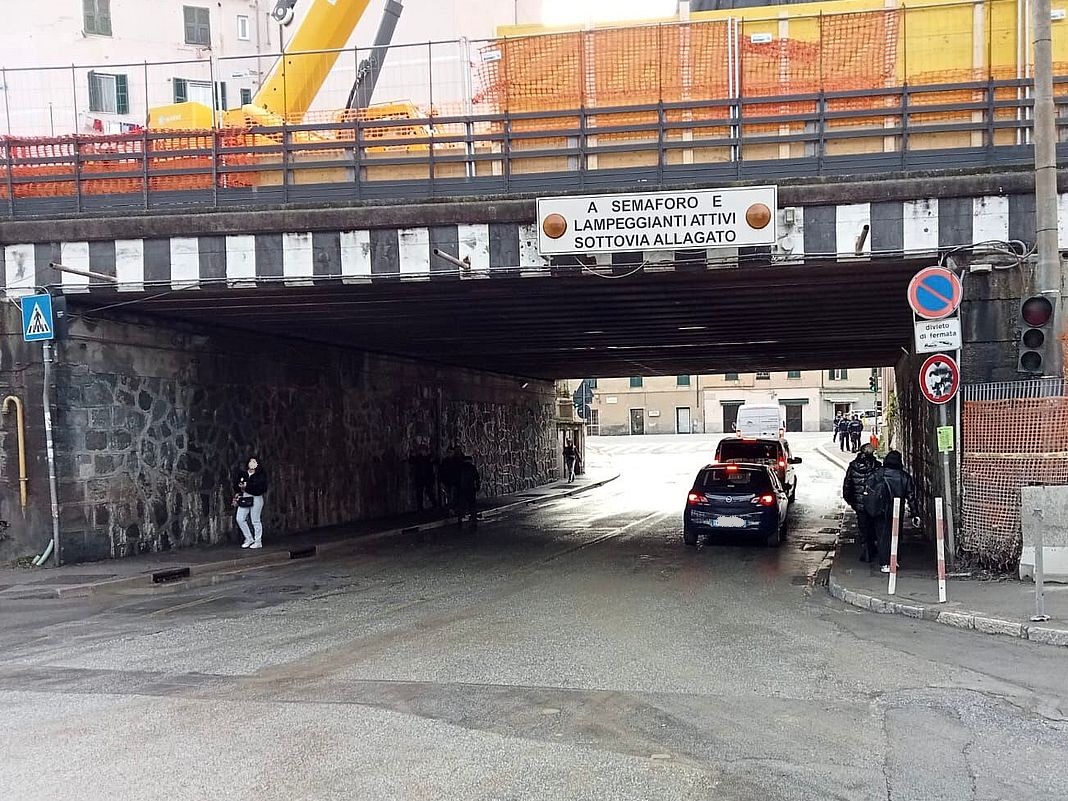
The Municipality of Genoa has updated its civil protection protocols, mandating that the Sottopasso Brin will now be closed to all traffic exclusively during red-level weather alerts. This decision aligns the transit status of the Brin underpass with the regulatory framework applied to other underpasses across the city, aiming to standardize emergency response procedures during severe storm events.
According to the official portal of the Municipality of Genoa, the new policy is designed to mitigate risks to motorists while maintaining traffic flow during less severe weather conditions. While previous protocols may have necessitated broader restrictions, the current mandate clarifies that the facility remains accessible during yellow and orange alerts, provided there is no immediate threat of localized flooding. This administrative adjustment is part of a wider effort by the National Department of Civil Protection to harmonize urban safety measures across high-risk metropolitan areas.
Operational Protocols During Weather Alerts
The distinction between alert levels is critical for commuters navigating the Ligurian capital. Under the updated guidelines, the Sottopasso Brin will transition to an “interdicted” status only when the regional meteorological service issues a red alert. This move ensures that the most restrictive measures are reserved for the most dangerous weather scenarios, such as intense rainfall that historically poses a risk to low-lying infrastructure.
During yellow alerts, the city has implemented a monitoring system near the Brin underpass. Officials have indicated that while the structure remains open, local traffic authorities maintain a heightened state of observation to ensure that drainage systems are functioning as expected. This data-driven approach allows the municipality to keep essential transit routes open longer, reducing the economic and logistical impact of closures on the city’s road network.
Standardizing Urban Infrastructure Safety
The policy change is not an isolated event but rather a component of a broader strategy to manage Genoa’s complex topography. The city, characterized by steep hills and narrow valleys, faces significant hydrological challenges during the autumn and winter months. By aligning the Sottopasso Brin with the standards applied to other municipal underpasses, the local administration aims to reduce public confusion during emergency declarations.
The Municipality of Genoa emphasizes that these protocols are subject to change based on real-time hydrological data. Residents are encouraged to monitor the city’s official “Smart” alert system, which provides real-time updates on road closures and weather-related hazards. For those traveling through the area, the official guidance remains consistent: check the alert status before departure, especially during the peak storm season from October through December.
How to Stay Informed During Emergencies
To ensure personal safety, the city government recommends that citizens utilize the official municipal channels for verified information. Relying on social media speculation during weather events can lead to unnecessary travel delays or safety risks. The Liguria Region Weather Alert portal remains the primary source for official color-coded warnings, which dictate the operating status of infrastructure like the Sottopasso Brin.
The next scheduled review of these emergency protocols by the municipal traffic office is expected to coincide with the conclusion of the current seasonal monitoring period. Residents are encouraged to share this information with fellow commuters to ensure widespread awareness of the updated access requirements. For further updates, please consult the official city bulletin boards or the municipal website, where future adjustments to infrastructure accessibility will be posted as they are confirmed.
Related reading