
A Nation Divided: Examining the Rising Tensions and Patriotic Pushback in the UK
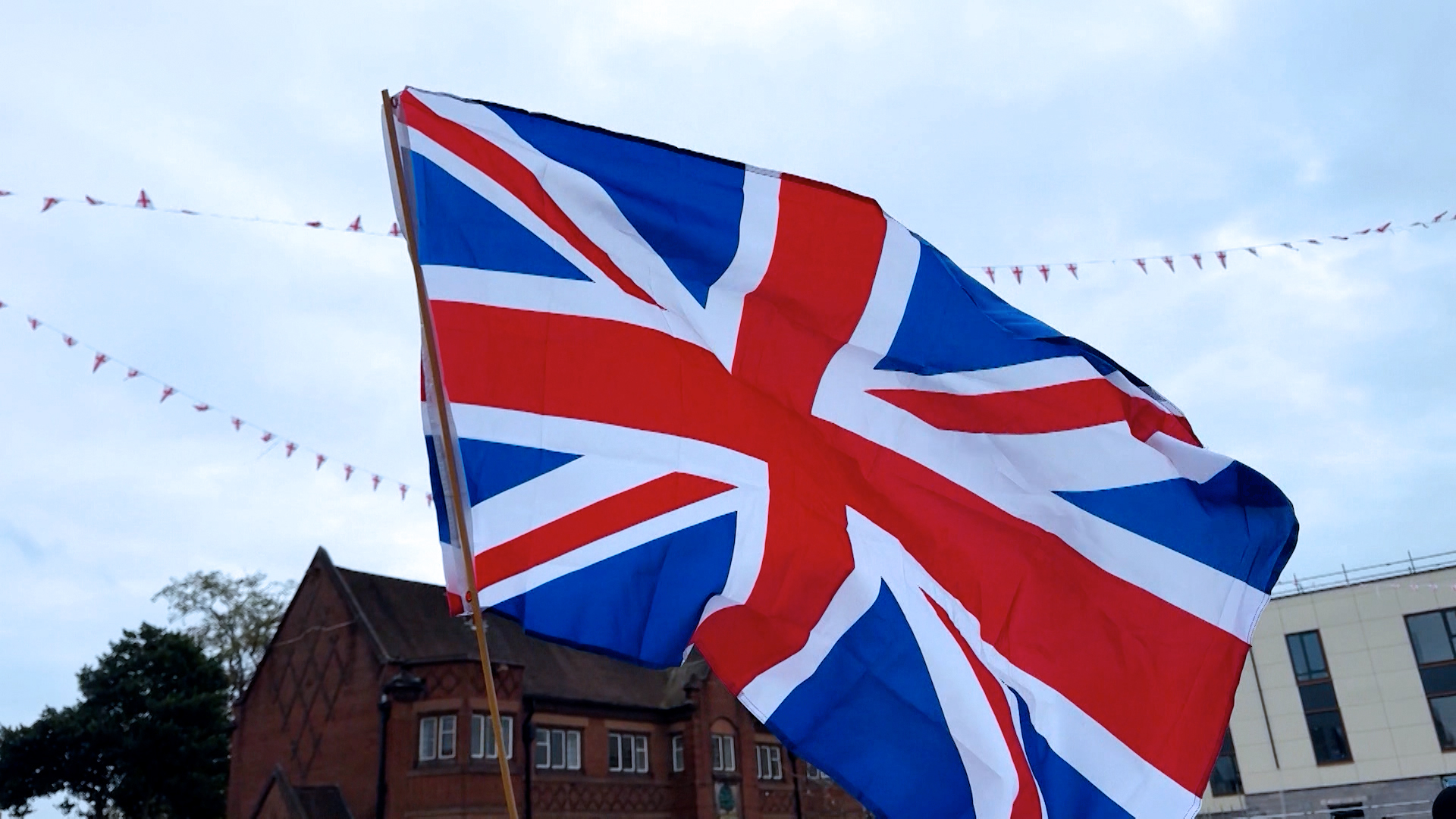
Recent months have seen a startling surge in political and social unrest across the United Kingdom, fueled by economic anxieties, declining faith in leadership, and a contentious debate over national identity. At the heart of this turmoil is a grassroots movement called “Raise the Colours,” dedicated to publicly displaying the Union Jack - a symbol now sparking both fervent support and intense opposition. This article delves into the complexities of the situation,exploring the motivations behind the movement,the backlash it’s facing,and the broader implications for Britain’s future.
The Rise of ”Raise the Colours” and a Call for Patriotism
“Raise the Colours” emerged as a response to what its founders, Stanley and Bridge (who have requested their last names not be published due to safety concerns), perceive as a decline in national pride and effective governance. They believe a simple act – publicly flying the Union Jack – can reignite a sense of patriotism and offer a peaceful choice to the riots seen in the UK in recent years.
“We felt like in our country,we’ve been let down by weak governments,weak borders,” Bridge explained. “For us to just raise the flag…to show a bit of patriotism, and to bring that back from what’s lost.”
The movement has rapidly gained traction, spreading from its origins in South Birmingham to communities across the UK. Stanley notes the growing support represents a silent majority – patriotic citizens hesitant to voice their views publicly.
A Backlash of Hostility and Threats
Though, this display of national pride hasn’t been met with worldwide acclaim. Stanley and Bridge have been subjected to online doxxing and credible death threats.
“We’ve been met with a substantial degree of hostility, and that’s now escalated into death threats,” Stanley stated. Bridge detailed receiving threatening phone calls to both his workplace and personal mobile, along with emails revealing personal details and explicit threats.
Beyond direct threats, opponents have vandalized and destroyed flags honoring veterans, a move Bridge describes as “absolutely repulsive.” Some have even falsely equated the Union Jack with Nazi symbolism, confronting supporters with aggressive accusations.
A Flag at the Center of the storm
The controversy extends beyond individual harassment. Certain local governments and even some police officers have actively opposed the public display of the Union Jack. This resistance highlights a deeper cultural divide within Britain.
Prime Minister Keir Starmer has attempted to navigate this sensitive issue, stating his intention to “reclaim the flag” from what he labels “far right” protesters and “divisive populism.” It’s crucial to note that in the UK political landscape, views considered “far-right” often align with mainstream conservative positions in the United States.
Warnings of Instability and a Veteran’s Stark Assessment
The escalating tensions come at a precarious time for the UK.Economic optimism is at an all-time low, and Prime Minister starmer currently faces historically low approval ratings.
Dr. David Betz, a Professor of War Studies at King’s College London, has warned that Britain is “headed toward civil war.” This alarming assessment underscores the fragility of the current situation.
Adding to the sense of unease,a 100-year-old World War II veteran recently expressed a shocking sentiment on live television. He stated that the sacrifices of the war weren’t “worth it,” arguing that Britain has become less free in the decades since.
Who Opposes “Raise the Colours”?
While some might assume opposition stems from ethnic or religious minorities, Stanley argues the primary resistance comes from what he calls “white liberal lunatics.” He believes this group, along with a hesitant government, will ultimately fail to stifle the movement’s growth.
“It’s going to keep growing,” Stanley confidently predicts. “This has now gone from starting in south birmingham to the rest of Birmingham to across the whole of the UK…I think we’re speaking for people that are patriotic, but they’re too frightened to speak out.”
Looking ahead: A Nation at a Crossroads
The situation in the UK is complex and multifaceted. “Raise the Colours” represents a yearning for national identity and a desire for stronger leadership. However,it has also become a lightning rod for political polarization and,in some cases,outright hostility.
Here’s a breakdown of key takeaways:
* **Deep


