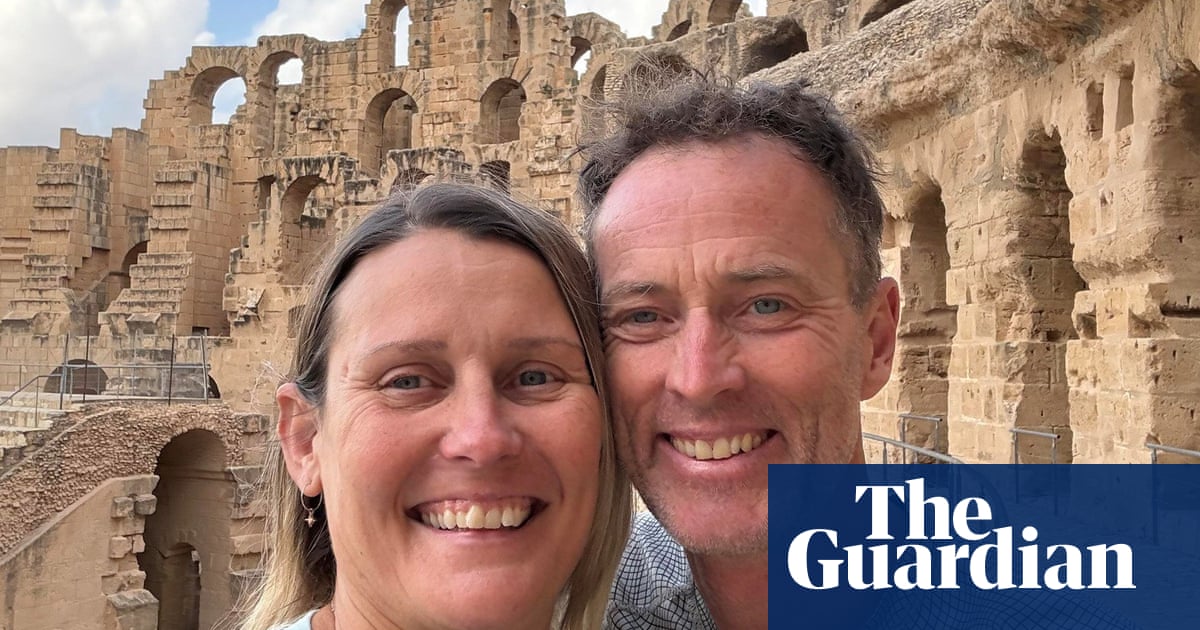
The already fraught relationship between the United Kingdom and Iran has deepened with the sentencing of British couple Lindsay and Craig Foreman to 10 years in prison. The couple, from East Sussex, were arrested in January 2025 during an around-the-world motorcycle journey and have been held in Tehran’s notorious Evin prison ever since. The charges leveled against them – espionage – are vehemently denied by the Foremans and have drawn sharp condemnation from the UK government, with Foreign Secretary Yvette Cooper labeling the sentence “totally unjustifiable.” This case underscores the ongoing risks faced by foreign nationals traveling in Iran and highlights the complex geopolitical dynamics at play.
The sentencing comes amidst a backdrop of heightened tensions between London and Tehran, fueled by Iran’s nuclear program, regional proxy conflicts, and the detention of numerous dual nationals. The Foremans’ case echoes those of other British-Iranian citizens, such as Nazanin Zaghari-Ratcliffe and Anoosheh Ashoori, who endured prolonged imprisonment in Iran before eventually being released. The circumstances surrounding the Foremans’ arrest and trial – a mere three-hour hearing with no opportunity to mount a defense, according to their son – raise serious concerns about due process and the fairness of the Iranian judicial system. The lack of transparency surrounding the proceedings has only amplified the anxiety of their family and fueled international criticism.
Foreign Secretary Yvette Cooper has vowed to relentlessly pursue the couple’s release, stating that the UK government will operate tirelessly with Iranian authorities to secure their safe return. “This sentence is completely appalling and totally unjustifiable,” Cooper said. “We will pursue this case relentlessly with the Iranian government until we see Craig and Lindsay Foreman safely returned to the UK and reunited with their family.” The Foreign, Commonwealth & Development Office (FCDO) is providing consular assistance to the Foremans and their family, prioritizing their welfare while navigating the challenging diplomatic landscape. The FCDO has not yet detailed specific strategies for securing the couple’s release, but diplomatic pressure and potential negotiations are expected to be central to their efforts.
The Arrest and Charges
Lindsay and Craig Foreman embarked on their ambitious motorcycle journey with a stated aim of fostering understanding and goodwill across cultures. Lindsay Foreman, speaking to the BBC prior to the sentencing, described a “global initiative to focus on the solid,” expressing a desire to “find what connects us.” However, their journey took a dramatic turn upon entering Iran, where they were detained by Iranian security forces in January 2025. The specific details of their arrest remain unclear, but they were subsequently accused of espionage – a charge that carries severe penalties under Iranian law. The Iranian government has not publicly presented any evidence to support these allegations, further fueling skepticism about the legitimacy of the charges.
Evin Prison, where the Foremans are being held, is a facility with a long and troubling history of human rights abuses. It has been the site of numerous reports of torture, arbitrary detention, and unfair trials. The conditions within the prison are reportedly harsh, and access to legal counsel and family visits is often restricted. The Foremans’ family has expressed deep concern for their well-being, particularly given the lack of transparency surrounding their detention and the reported conditions within Evin Prison. Their son, Joe Bennett, has been a vocal advocate for their release, raising awareness of their plight and appealing to the UK government for decisive action.
Family’s Plea and Previous Cases
Joe Bennett, Lindsay Foreman’s son, learned of his parents’ 10-year sentence last week and immediately voiced his family’s distress. “My parents have now been sentenced to 10 years following a trial that lasted just three hours and in which they were not allowed to present a defence,” he stated in a public appeal. “They have consistently denied the allegations. We have seen no evidence to support the charge of espionage.” Bennett’s statement highlights the profound lack of due process in the case and the devastating impact on the family. He similarly emphasized the “lack of transparency” in the judicial process, a common complaint leveled against the Iranian legal system in cases involving foreign nationals.
The Foremans’ case is not isolated. In January, Bennett joined forces with Anoosheh Ashoori, a British-Iranian man who was imprisoned in Iran for five years before his release in March 2022, and Richard Ratcliffe, whose wife Nazanin Zaghari-Ratcliffe endured years of detention in Iran on similar charges. Together, they delivered a petition with over 70,000 signatures to 10 Downing Street, urging the UK government to take stronger action to secure the release of British nationals detained in Iran. The Guardian reported on this demonstration, highlighting the growing public pressure on the government to address the issue.
Nazanin Zaghari-Ratcliffe’s case, in particular, became a symbol of the challenges faced by British-Iranian dual nationals in Iran. Her detention for allegedly spying for the UK government – charges she denied – sparked a lengthy and highly publicized campaign for her release. Similarly, Anoosheh Ashoori was accused of espionage and spent over four years in Evin Prison before being released alongside Zaghari-Ratcliffe in a deal brokered between the UK and Iran. These previous cases demonstrate the Iranian government’s willingness to detain foreign nationals on politically motivated charges and to use their release as leverage in negotiations with other countries.
International Response and Diplomatic Efforts
The sentencing of Lindsay and Craig Foreman has drawn widespread condemnation from international human rights organizations and governments. Amnesty International has called for their immediate and unconditional release, citing concerns about the fairness of their trial and the conditions of their detention. The United States State Department has also expressed its concern, urging Iran to respect the rights of all its citizens and to ensure due process for those accused of crimes. The European Union has echoed these calls, emphasizing the importance of upholding international legal standards.
The UK government is facing increasing pressure to take a more assertive stance in its dealings with Iran. While diplomatic engagement remains the primary approach, some lawmakers are calling for tougher sanctions and other measures to pressure Tehran to release the Foremans and other detained British nationals. The government is also exploring all available legal avenues, including seeking assistance from international courts and organizations. However, the prospects for a swift resolution remain uncertain, given the complex political dynamics and the Iranian government’s reluctance to concede to external pressure.
The Role of Evin Prison
Tehran’s Evin Prison has become synonymous with human rights abuses and political repression in Iran. Established in 1972, the prison has been used to detain political dissidents, journalists, activists, and foreign nationals. Numerous reports from human rights organizations detail allegations of torture, ill-treatment, and arbitrary detention within its walls. The prison’s remote location and strict security measures make it difficult to monitor conditions and provide adequate support to detainees. The Foremans’ detention in Evin Prison raises serious concerns about their safety and well-being, given the prison’s notorious reputation.
Craig Foreman has spoken of the emotional toll of their separation, stating that the infrequent meetings with his wife are the only thing sustaining him. “I know her prison is just 70 metres away, and I acquire to see her once a month,” he said. “For me and for Lindsay, seeing each other is the only thing that’s keeping us going right now. I love my wife dearly. She’s the love of my life.” This poignant statement underscores the human cost of the Foremans’ detention and the anguish their family is enduring.
What Happens Next?
As of today, February 19, 2026, the Foremans remain detained in Evin Prison. Their family has been informed that they are due to appear before a court in Tehran in the coming days, although the specific date and details of the hearing remain unclear. The UK government is continuing to provide consular assistance and is working to secure their release through diplomatic channels. The next crucial step will be to ensure that the Foremans receive a fair and transparent hearing, with access to legal representation and the opportunity to present a defense. The international community will be closely monitoring the proceedings and urging Iran to uphold its obligations under international law.
The case of Lindsay and Craig Foreman serves as a stark reminder of the risks faced by foreign nationals traveling in Iran and the challenges of securing the release of those unjustly detained. It also highlights the urgent need for greater international cooperation to address the issue of political detention and to protect the rights of all individuals. The situation remains fluid, and further developments are expected in the coming weeks. We will continue to follow this story closely and provide updates as they become available.
Do you have thoughts on this developing story? Share your comments below and consider sharing this article with your network.