In a significant development for civil liberties advocates and legal observers, federal prosecutors recently moved to dismiss the charges against the individuals collectively known as the “Broadview 6.” The group had been indicted on charges of conspiracy to impede a federal officer following a September 2023 protest outside the Immigration and Customs Enforcement (ICE) facility in Broadview, Illinois. The dismissal marks the end of a contentious legal chapter that drew sharp criticism regarding the scope of federal prosecutorial power and the nature of public dissent.
The case stemmed from a demonstration held on September 22, 2023, outside the ICE Broadview Service Processing Center. While protests at the facility are not uncommon, the subsequent indictments sparked a broader conversation about how federal agencies manage public interaction and the legal thresholds for conspiracy charges in the context of peaceful assembly. For those named in the indictment, the legal ordeal was a source of profound personal and professional disruption, particularly for those whose public profiles were suddenly entangled in a federal criminal case.
The Legal Fallout and Individual Impact
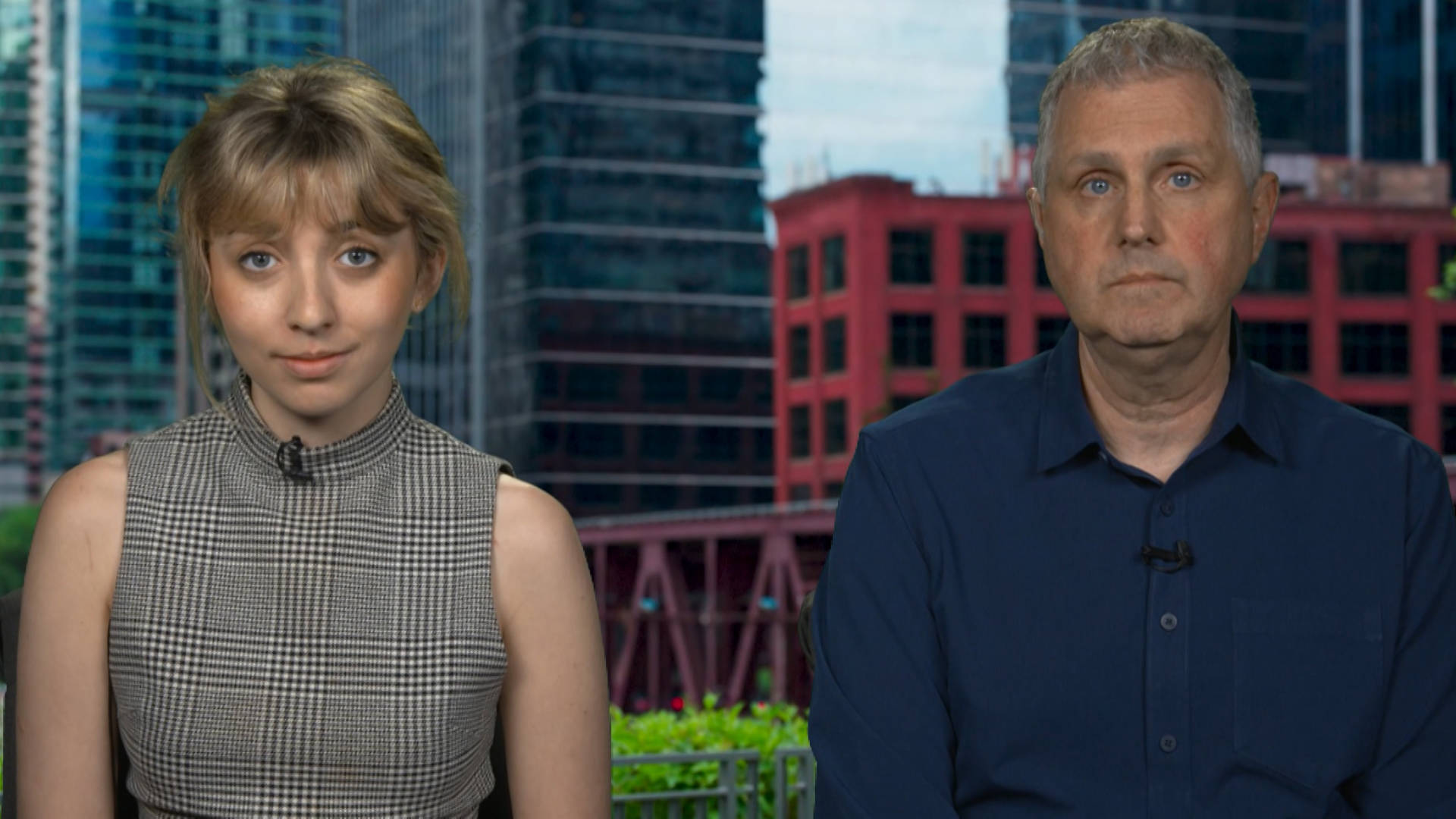
The experience of the defendants highlights the often-opaque nature of federal indictment processes. Many of the individuals involved reported a lack of prior coordination, with some noting they had never met one another before being linked in the same legal filing. This distance between the defendants made the conspiracy charge particularly jarring for those involved. Kat Abughazaleh, a political candidate who was not present for any arrest on the day of the protest, learned of her indictment weeks later. Her experience illustrates the downstream effects of such actions, as she navigated the complexities of a federal case while simultaneously pursuing a congressional campaign.
Similarly, Michael Rabbitt, a Democratic ward committeeperson in Chicago, described the initial notification of his warrant as surreal. The reliance on digital communication and the suddenness of the legal action left many of the defendants questioning the procedural rigor of the investigation. The U.S. Attorney’s Office for the Northern District of Illinois, which oversaw the case, eventually opted to drop the charges, though the decision prompted questions from civil rights organizations about why the case was brought to the grand jury stage in the first instance.
Analyzing the Conspiracy Charge
The legal theory of “conspiracy to impede a federal agent” carries significant weight, typically requiring evidence of an agreement between two or more persons to commit an unlawful act. In the context of the Broadview 6, the government’s attempt to apply this statute to a protest setting drew intense scrutiny from legal experts who argue that such charges can have a “chilling effect” on First Amendment rights. The American Civil Liberties Union (ACLU) provides extensive resources on the protections afforded to protesters, emphasizing that the right to assemble is a cornerstone of democratic expression, provided it does not cross into prohibited conduct.
When federal authorities utilize high-level charges like conspiracy in response to public protests, the standard of proof must be exceptionally high to avoid the appearance of political motivation. By dropping the case, the government effectively conceded that the evidence did not meet the necessary threshold to proceed to trial. This outcome serves as a reminder of the judicial system’s role as a check on prosecutorial overreach, particularly when the actions in question occur in the public square.
Key Takeaways Regarding the Case
- The Broadview 6 were indicted on federal conspiracy charges following a September 2023 protest at an ICE facility in Illinois.
- The charges were officially dismissed by the Department of Justice, ending the threat of prosecution for the six individuals.
- Defendants highlighted the lack of coordination among the group, with some participants having never met prior to the legal proceedings.
- The case has sparked ongoing debates regarding the use of federal resources to prosecute protesters and the protection of First Amendment rights.
What Happens Next: Transparency and Accountability
With the charges dropped, the focus has shifted toward the potential for internal reviews within the Department of Justice regarding how such cases are initiated. For the defendants, the dismissal is a relief, yet it leaves lingering questions about the impact on their reputations and the costs associated with mounting a federal defense. The federal court system remains the primary venue where such grievances can be aired, though the path to seeking damages for malicious prosecution is notoriously difficult and requires a high burden of proof.
As the legal dust settles, the Broadview 6 case remains a case study for future activists and legal practitioners alike. It underscores the necessity of robust legal representation when facing federal scrutiny and the importance of public oversight in the actions of law enforcement agencies. Moving forward, the community will likely continue to watch for any further documentation or disclosures from the U.S. Attorney’s Office that might shed light on the initial decision-making process.
We will continue to monitor the records in the Northern District of Illinois for any further developments or filings related to this matter. If you have insights or information regarding the ongoing discourse surrounding civil liberties in Chicago, we invite you to share your thoughts in the comments section below. Your engagement helps us maintain a comprehensive and accurate record of these vital civic issues.
Worth a look