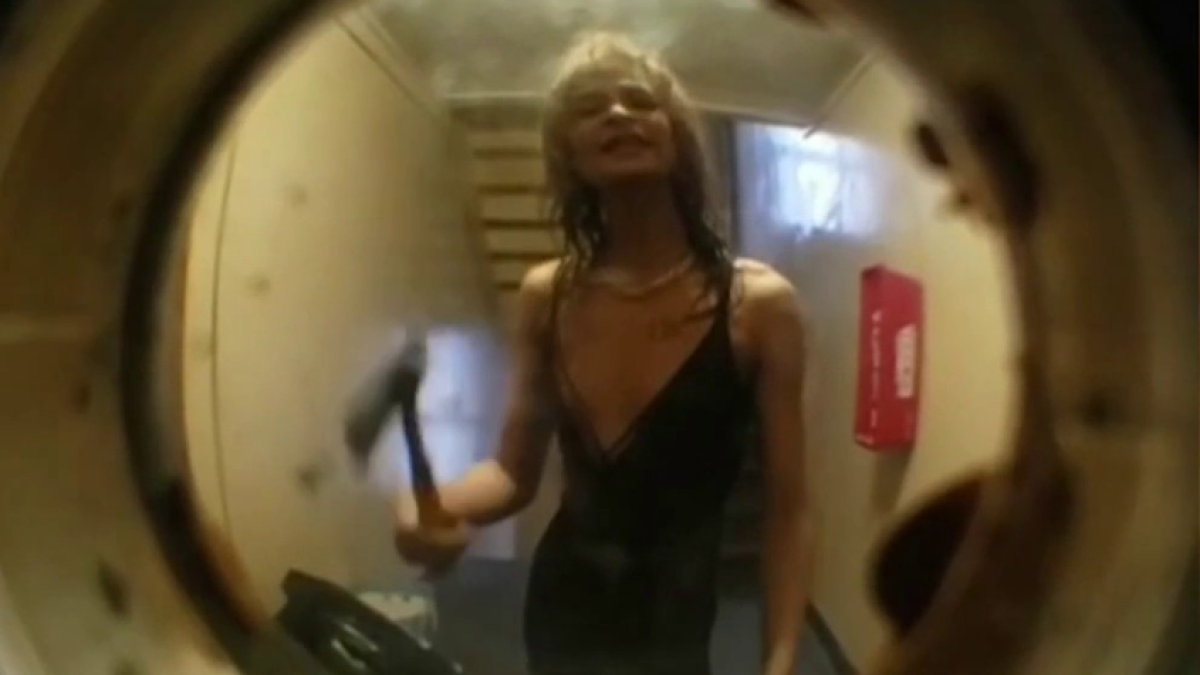
Residents of an apartment building on East 214th Street in the Bronx are describing a harrowing living situation, claiming they are being terrorized by a neighbor who frequently roams the hallways armed with a hatchet. The situation has escalated to a point where tenants report feeling like prisoners in their own homes, fearing for their safety and the well-being of their children.
The turmoil centers on a 28-year-old male tenant whose behavior has reportedly ranged from menacing neighbors with weapons to walking through common areas naked. Video evidence provided by residents shows the individual wearing a wig and waving a hatchet at doorsteps at all hours of the day and night. For many in the building, the daily routine has shifted from simple residency to a state of constant vigilance.
As the Chief Editor of Business at World Today Journal, I have spent nearly two decades analyzing the intersection of economic policy and urban infrastructure. While this appears to be a criminal matter, it highlights a critical systemic failure in urban property management and the prolonged timelines of the New York City housing legal system. When a tenant’s behavior creates an unsafe environment, the delay between the first reported incident and the final eviction order can create a dangerous vacuum of security for other paying residents.
The impact on these residents is not merely psychological; it is a disruption of their fundamental right to quiet enjoyment of their property. In a city where housing is already under immense pressure, the presence of a volatile individual in a shared residential space transforms a sanctuary into a site of trauma.
A Climate of Fear and Hallway Harassment
The testimonies from the East 214th Street building paint a picture of “pure hell,” according to resident Zahara Cardwell. Cardwell disclosed that she was forced to obtain an order of protection against the neighbor after he pulled a hatchet on her last year. Her experience is not isolated; several other neighbors have sought similar legal shields to protect themselves from ongoing aggression.
Leonia Clemente, another resident, described the experience as “torture,” noting that the instability of the environment makes it impossible to move freely through the building’s hallways. “Every day is something new,” Clemente stated, emphasizing that the fear is constant, particularly for those with grandchildren and children living in the building.
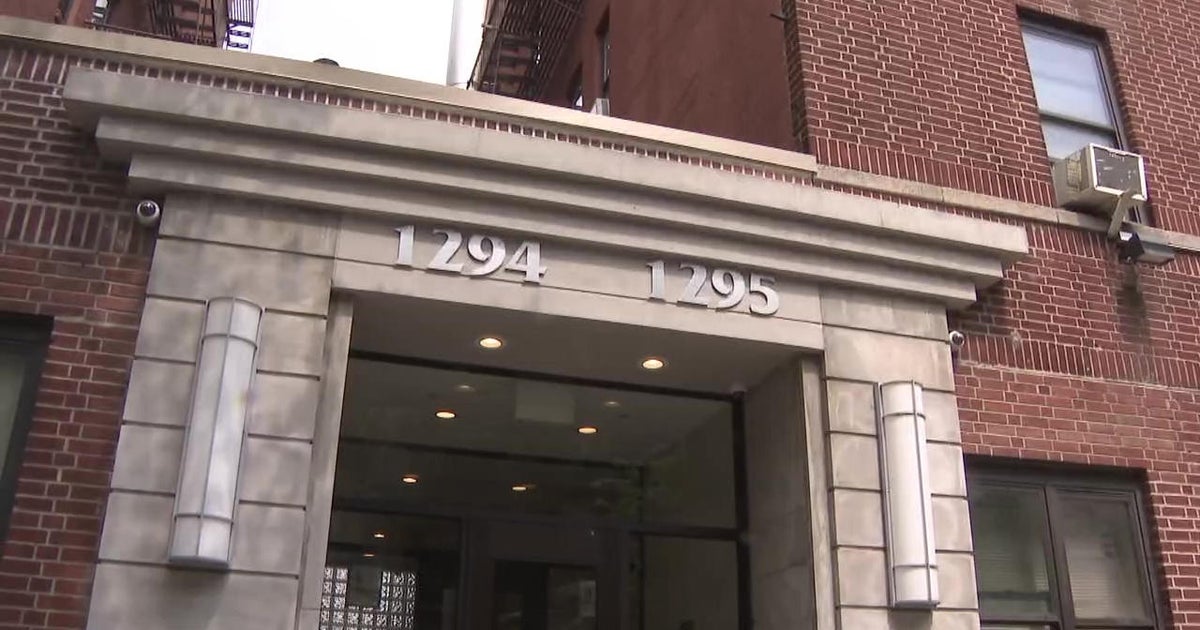
The harassment has reportedly extended beyond physical threats. Neighbor Alexandra Reina noted that the man frequently walks around the building naked and has targeted doorbell cameras, breaking them to avoid detection. The unpredictability of the attacks—often involving the man wearing a wig and knocking on doors—has left residents feeling exposed and vulnerable.
Beyond the threats of violence, the neighbor is accused of creating hazardous conditions for the entire building. Residents claim he intentionally left gas burners on, an action that forced fire crews to shut off the gas supply for the entire apartment complex, depriving all tenants of essential utilities.
Legal Interventions and Police Response
Law enforcement has been called to the scene multiple times, but the cycle of arrests and releases has left tenants feeling that the current measures are insufficient. According to police records cited by CBS News New York, the 28-year-old tenant was arrested twice in April. These arrests were based on charges of criminal mischief for breaking a neighbor’s front door camera and menacing after he swung a metal rail at another resident.
In New York State, “menacing” occurs when a person intentionally places or attempts to place another person in reasonable fear of physical injury. “Criminal mischief” typically involves the intentional damage of another person’s property. While these charges allow for temporary removal from the premises, they do not automatically trigger an eviction, which is a separate civil process handled through the housing courts.
The reliance on temporary court-granted protection orders, such as the one held by Leonia Clemente, provides a legal basis for arrest if the neighbor approaches the victim. However, as Clemente noted, these orders do not always stop the harassment; the neighbor has reportedly continued to attack her despite the legal mandate for distance.
The Business of Eviction: Why the Process Drags
From a property management perspective, the situation on East 214th Street illustrates the agonizingly leisurely pace of the Bronx Housing Court. Building management has confirmed they are currently in the process of evicting the tenant, but in New York City, the legal path to removing a dangerous tenant is often fraught with procedural delays.
The “holdover” eviction process—used when a tenant has violated the terms of their lease (such as engaging in illegal activity or threatening other tenants)—requires a specific sequence of notices and hearings. Even in cases involving violence or menacing, the court must ensure due process, which often means the tenant remains in the building while the case winds through the system.

This creates a significant liability for building owners. When management fails to remove a known danger quickly, they may open themselves up to lawsuits from other tenants for negligence or breach of the warranty of habitability. The warranty of habitability is a legal doctrine in New York that requires landlords to keep apartments safe and livable; a building where residents are terrorized by a hatchet-wielding neighbor arguably fails this standard.
For the residents, the legal technicalities of the housing court are cold comfort. As Alexandra Reina stated, the community feels they need someone to hear their voice and provide immediate help before the situation escalates into a tragedy. The tension remains high as the case remains pending in the Bronx Housing Court.
Tenant Safety and Practical Recourse
For those living in similar situations where a neighbor’s behavior becomes volatile or dangerous, there are several critical steps to take to build a legal case for emergency removal:
- Documentation: Keep a detailed log of every incident, including dates, times, and specific behaviors. As seen in the Bronx case, peephole and doorbell camera footage are invaluable evidence in both criminal and housing court.
- Police Reports: Ensure every threat is reported to the police. A pattern of “menacing” and “criminal mischief” charges provides the building management and the court with a documented history of danger.
- Orders of Protection: Filing for a temporary or permanent order of protection can provide immediate legal grounds for police to make an arrest if the perpetrator violates the order.
- Collective Action: When multiple tenants sign a joint complaint to building management, it increases the pressure on the landlord to prioritize the eviction and may provide a stronger basis for a “nuisance” claim in court.
The psychological toll on these residents cannot be overstated. When a home is no longer a place of safety, the impact ripples through every aspect of life, from the ability to sleep at night to the safety of children playing in the halls. The residents of East 214th Street are not just asking for a legal victory; they are asking for the restoration of their basic peace of mind.
The next confirmed checkpoint in this matter is the ongoing eviction proceeding in the Bronx Housing Court. Until a judge signs the warrant of eviction and the marshal removes the tenant, the residents remain in a state of precarious uncertainty.
Do you believe New York City’s housing laws make it too difficult to remove dangerous tenants? Share your thoughts in the comments below or share this article to raise awareness about tenant safety.