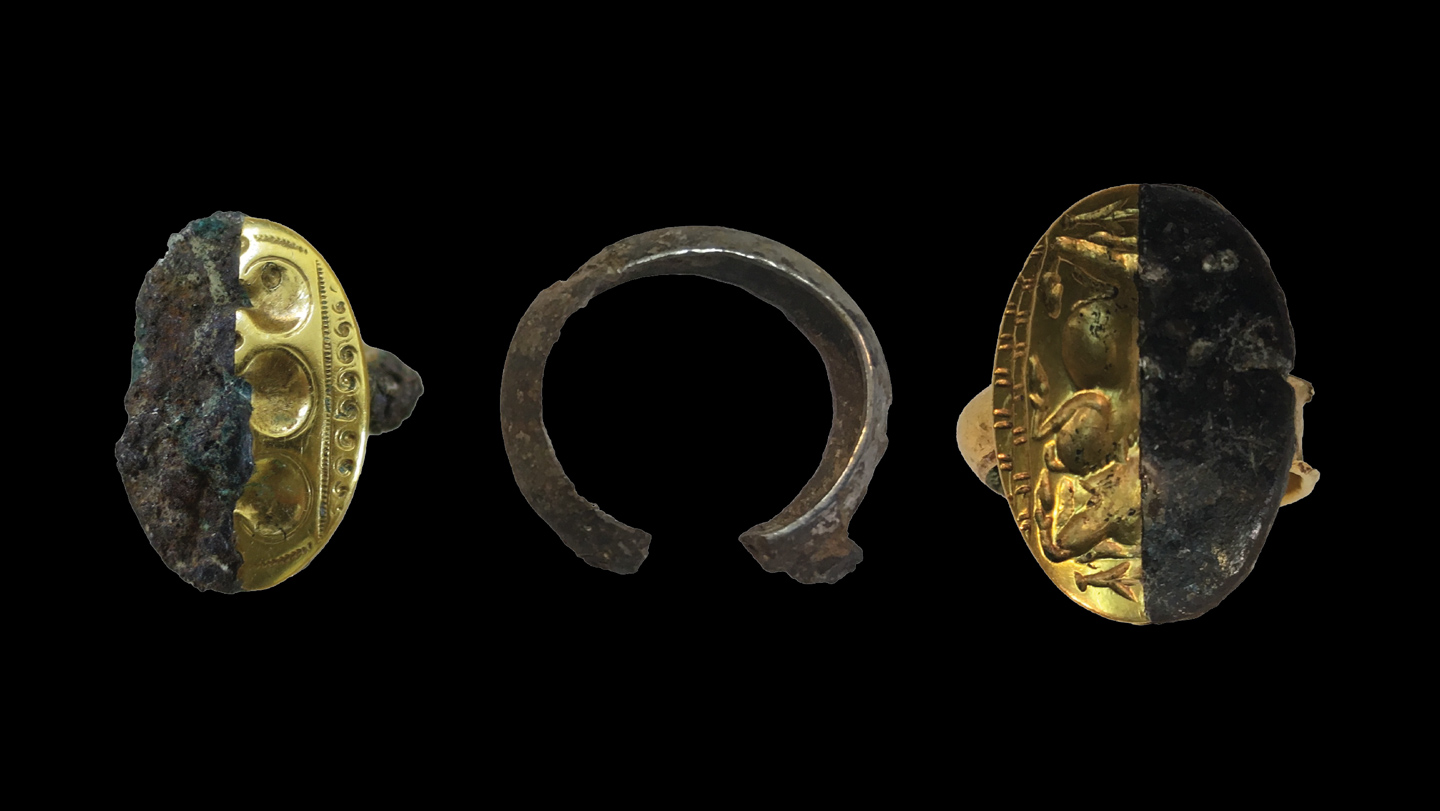
Chemical analysis of Bronze Age artifacts reveals that ancient Greek nobles and elites may have worn signet rings crafted from meteoric iron, bridging the gap between earthly luxury and celestial materials. Recent scientific evaluations of metal objects from this era suggest that rare iron derived from meteorites was utilized across the Aegean long before widespread terrestrial iron smelting became common.
While gold and bronze dominated elite burials and treasuries in Mycenaean Greece, specialized metalworking techniques occasionally incorporated iron from space into high-status objects. According to researchers studying early metallurgy, these prized artifacts highlight an ancient trans-Mediterranean appreciation for the distinct material properties and symbolic weight of celestial metal.
The identification of meteoric iron in Aegean archaeology requires advanced non-destructive testing, primarily because ancient iron artifacts are heavily oxidized. When meteorites fall to Earth, they typically contain a high concentration of nickel and cobalt bound to the iron matrix, creating a chemical fingerprint that distinguishes them from terrestrial ores. Archaeometallurgists examine these elemental ratios to determine whether a blade, bead, or ring originated from an asteroid impact rather than a local smelting furnace.
During the Bronze Age, before humanity mastered the high temperatures required to smelt terrestrial iron ore, native iron and meteoric iron were among the few available sources of the metal. Because meteoric iron was exceptionally rare and difficult to shape, objects fashioned from it carried profound prestige. Kings, warriors, and high-ranking nobles across the ancient world—from Egypt to Mesopotamia and into the Aegean—treasured these celestial items as divine or royal prerogatives.
The practice of crafting jewelry and weapons from space rocks is well-documented in other ancient civilizations. Most famously, the dagger found in the tomb of the Egyptian pharaoh Tutankhamun was confirmed through chemical testing to be made of meteoric iron. Scholars note that similar technological and cultural exchange networks likely carried meteoric materials or finished luxury goods across the Mediterranean, bringing rare commodities into the hands of Aegean elites.
Signet rings held immense administrative and social value in Bronze Age Greece, often used to stamp clay seals on documents and storehouses to secure property and trade goods. Crafting such an essential instrument from a material forged in the cosmos would have amplified the owner’s status. It combined daily administrative utility with a direct connection to the heavens.
As conservation scientists continue to re-examine museum collections using portable X-ray fluorescence and other advanced scanning technologies, more hidden examples of meteoric metal may come to light. Future research aims to map the specific trade routes and elemental signatures of these artifacts, offering a clearer picture of how ancient artisans worked with iron long before the Iron Age truly began.
Worth a look