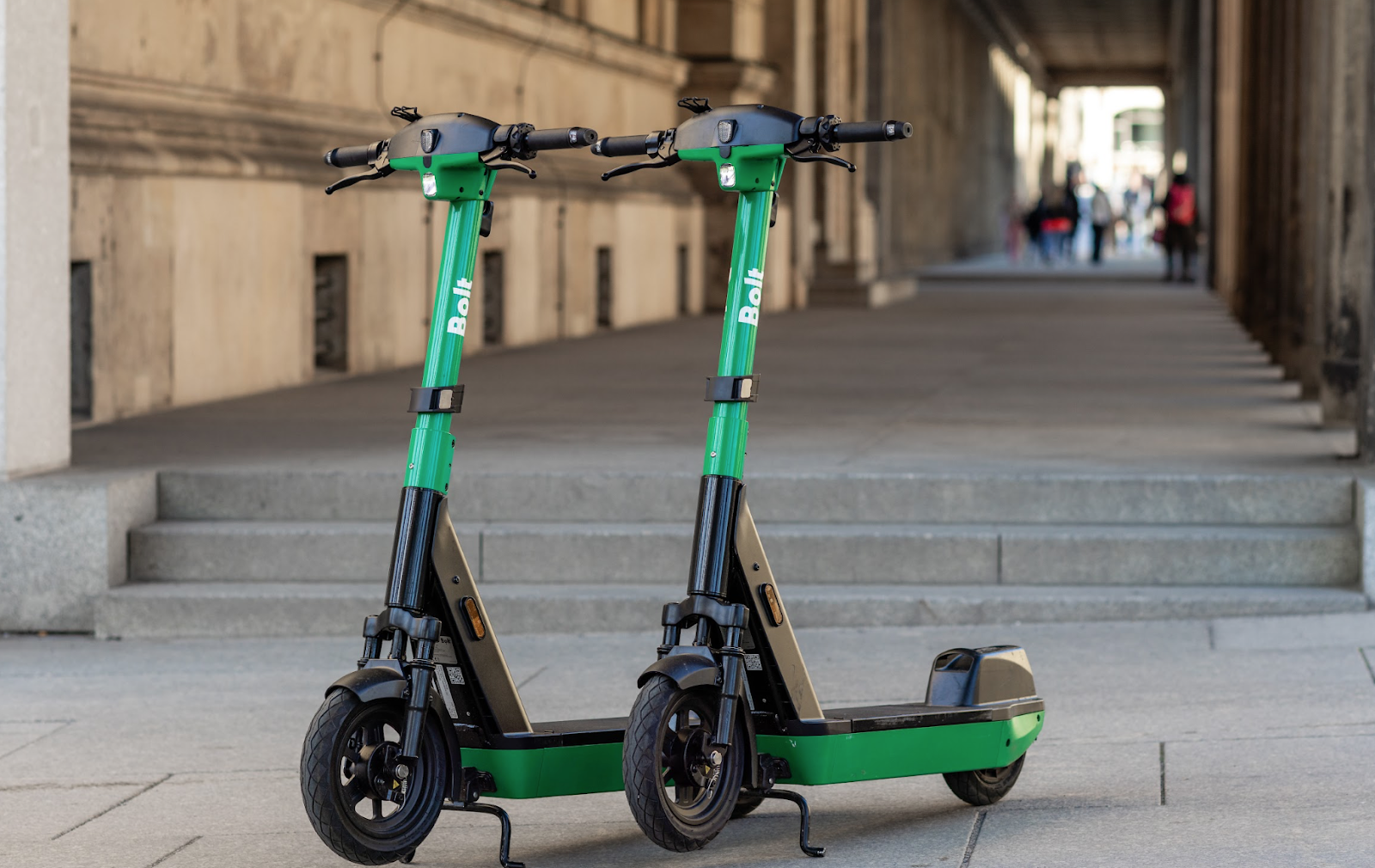
Brussels will implement a total ban on shared electric scooter rentals starting in 2025, according to a decision finalized by the Brussels-Capital Region government. The move aims to improve public safety and reduce sidewalk congestion, following years of complaints regarding improperly parked vehicles and accidents involving the devices in the Belgian capital.
Regulatory Shifts in Brussels Urban Mobility
The Brussels-Capital Region government confirmed that starting January 1, 2025, commercial operators will no longer be permitted to offer electric scooter rentals to the public. Regional Minister for Mobility, Elke Van den Brandt, announced that the decision follows a period of tightened regulations that failed to resolve persistent safety issues. According to the official Brussels-Capital Region portal, the government determined that the risks associated with the shared micro-mobility model outweighed the benefits of the service, leading to the decision to revoke operating licenses for shared e-scooter fleets.

This policy change marks a significant reversal from the rapid expansion of micro-mobility services that began in the city around 2019. Previously, the region had attempted to mitigate sidewalk clutter by creating designated “drop zones” and limiting the number of total operators. However, local authorities reported that these measures were insufficient to curb the number of incidents involving pedestrians and riders, as noted in reports from the Belgian public broadcaster RTBF.
Impact on Commuters and the Micro-Mobility Market
The ban specifically targets shared rental fleets, meaning private owners of electric scooters will still be permitted to use their vehicles on Brussels streets. For commuters who rely on these services for “last-mile” transport, the change necessitates a shift toward public transit or private alternatives. The Brussels intercommunal transport company, STIB-MIVB, continues to operate an extensive network of buses, trams, and metro lines designed to handle the city’s daily passenger volume, as detailed on the official STIB-MIVB website.
Operators currently active in the city, such as Lime, Dott, and Bolt, have been informed of the impending expiration of their permits. Industry representatives have previously argued that shared scooters provide a necessary carbon-neutral alternative to car travel in a city frequently hampered by traffic congestion. Despite these arguments, the regional government prioritized the consensus among local municipalities that the clutter caused by abandoned scooters had reached an untenable level for city residents.
Safety Data and Public Policy
Public health concerns played a central role in the regional government’s deliberation. Local hospitals in Brussels recorded a steady increase in emergency room admissions related to electric scooter accidents since their introduction to the city’s streets. According to data analyzed by the Vias Institute, an independent organization specializing in road safety in Belgium, the severity of injuries sustained by both riders and pedestrians was a primary driver for the legislative push to restrict rental services.
The decision to ban the rentals follows similar moves in other European capitals. Paris, for instance, held a public referendum in 2023 that resulted in the removal of all shared e-scooters from the city, citing similar concerns regarding public space and safety. Brussels officials studied these international precedents before finalizing their own regulatory framework for the upcoming year.
What Happens Next
As the January 1, 2025, deadline approaches, the Brussels government is expected to oversee the orderly withdrawal of fleets from public thoroughfares. Operators are tasked with removing their hardware from the streets by the end of the year. Residents and visitors are encouraged to monitor the Brussels Mobility website for updates regarding final transition protocols and any potential changes to existing parking regulations as the rental market phases out.

The regional government has not indicated any plans to reverse the ban in the near future. While the rental market will cease, the city plans to continue investing in cycling infrastructure and public transit to support sustainable mobility goals. We encourage readers to share their thoughts on how this shift might alter the daily commute in Brussels in the comments section below.