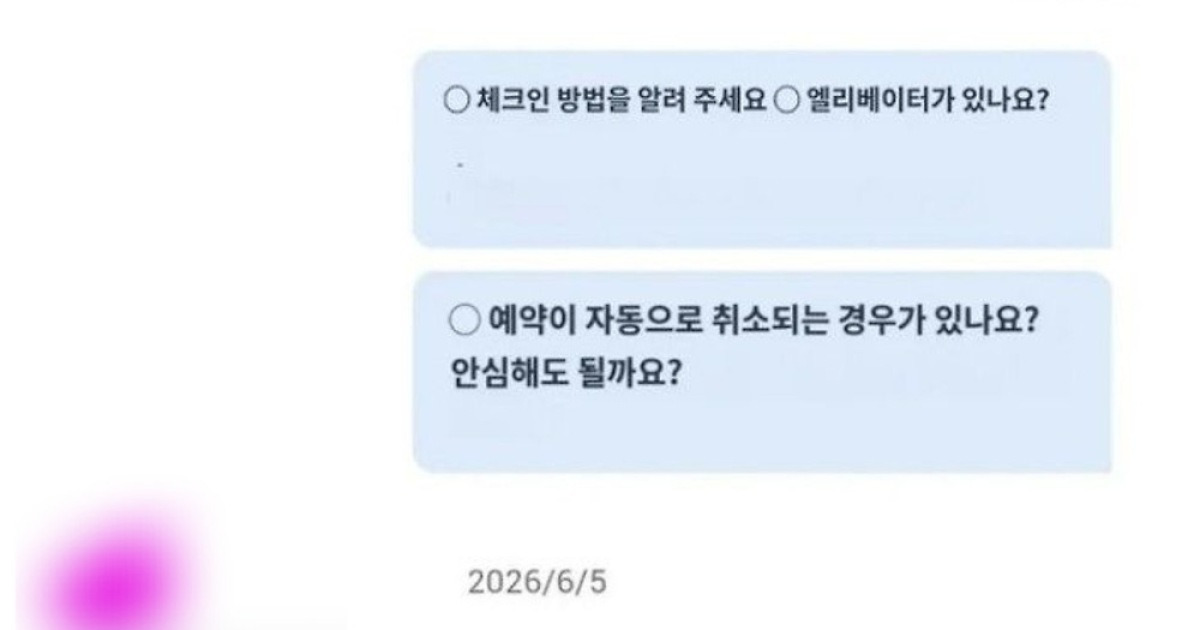
A hotel in Busan, South Korea, is facing public scrutiny following reports that a staff member sent abusive language to a prospective guest and unilaterally canceled her reservation after she inquired about check-in procedures. The incident, which has gained significant traction on social media, involves a Japanese national who identifies as a fan of the K-pop group BTS and had attempted to secure lodging in the city via a travel booking platform.
The controversy emerged when the traveler, who has been widely identified in local media reports as a Japanese woman, shared screenshots of her digital correspondence with the accommodation provider. According to the reported screenshots, the guest sought clarification on how to complete the check-in process for her upcoming stay. The response she received from the facility’s account allegedly contained derogatory language, specifically using the phrase “byeol geoji gateun” (별 거지 같은)—a harsh Korean insult roughly translating to “you beggar-like person” or “you pathetic wretch”—before the hotel proceeded to cancel the booking entirely.
Public Reaction and Consumer Rights in South Korea
The incident has sparked a broader conversation regarding customer service standards and the treatment of international tourists in Busan, a city that frequently hosts major cultural events and attracts a high volume of visitors due to its status as a global tourism hub. Under the Korea Consumer Agency (KCA) guidelines, service providers are expected to maintain professional standards, and arbitrary cancellation of confirmed reservations can be subject to dispute resolution procedures if deemed discriminatory or unjustified under the Framework Act on Consumers.

For many observers, the case highlights the risks inherent in digital-only communication between international travelers and small-scale accommodation providers. While the hotel has not issued a public statement addressing the specific allegations, the incident has prompted calls for greater accountability on third-party booking platforms. These platforms typically maintain terms of service that prohibit harassment and mandate that hosts honor confirmed bookings, though enforcement often varies depending on the internal policies of the booking application used.
The Role of Digital Platforms in Travel Disputes
Travelers utilizing online booking apps to visit South Korea are encouraged to document all communications with property owners to ensure they have recourse in the event of a dispute. When a reservation is canceled without a valid Korea Tourism Organization (KTO)-recognized reason, guests are generally advised to contact the customer support department of their booking platform immediately to initiate a refund or request assistance with finding alternative accommodation.
The incident involving the BTS fan has also underscored the influence of fandom culture in digital spaces, as the story gained momentum rapidly across social media platforms where fans of the group often share travel experiences. While the specific hotel’s identity has been discussed in online forums, official verification of the facility’s name remains subject to ongoing Korea Communications Commission policies regarding the dissemination of private business information and defamation laws in South Korea.
What Happens Next for the Affected Guest
As of this writing, there have been no confirmed reports of legal action taken by the guest against the hotel. Typically, such disputes are handled through the Korea Consumer Agency’s mediation services, which provide a framework for resolving disagreements between consumers and businesses without the immediate need for litigation. If the guest chooses to pursue a formal complaint, the agency would investigate whether the cancellation violated the terms of the service agreement between the traveler and the property.
Travelers who find themselves in similar situations are advised to retain all digital records of the interaction, including timestamps and platform-generated reservation numbers. Maintaining a neutral, documented record is essential for any future mediation or civil court proceeding. As the situation evolves, observers are waiting to see if the hotel management will provide a public explanation or if the travel platform involved will take disciplinary action against the host account.
Readers are encouraged to share their experiences with international travel booking services in the comments section below. Further updates regarding this incident will be provided as additional information becomes available through official channels or verified media reports.
Worth a look