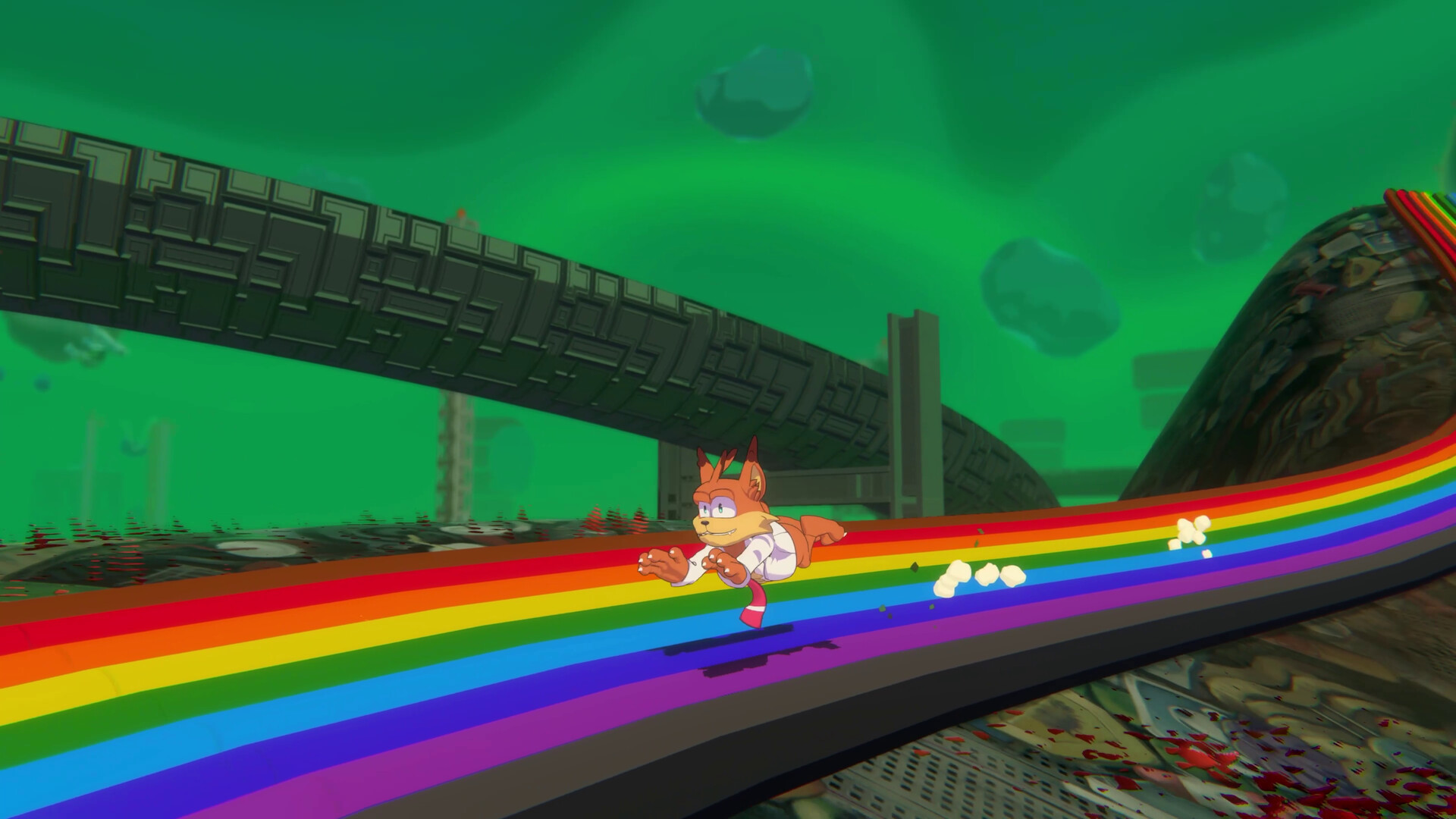
In a candid discussion about the evolving role of artificial intelligence in game development, Fabraz, the Norwegian studio behind titles such as Bubsy 4D and Demon Tides, has expressed strong reservations about the use of generative AI in creative processes. The studio’s stance reflects a growing debate within the indie gaming community about balancing technological innovation with artistic integrity and ethical considerations in content creation.
While generative AI tools have gained traction across the tech and entertainment industries for accelerating asset production and ideation, Fabraz has positioned itself as “quite opposed” to integrating such technologies into its workflow. This perspective was highlighted in recent interviews with Norwegian gaming media, where studio representatives emphasized their commitment to human-driven design, particularly in narrative, visual art, and gameplay mechanics.
The position taken by Fabraz underscores a broader tension in the industry: as AI tools become more accessible, developers are weighing efficiency gains against concerns over originality, labor impact, and the potential homogenization of creative output. For studios like Fabraz, which prioritize distinctive aesthetics and handcrafted experiences, the philosophical resistance to GenAI is as much about preserving creative identity as it is about technical preference.
Fabraz’s Creative Philosophy and Development Approach
Founded in Norway, Fabraz has built a reputation for delivering visually striking and mechanically inventive games that often blend retro influences with modern design sensibilities. Titles like Demon Tides, a side-scrolling action game praised for its fluid combat and atmospheric pixel art, and Bubsy 4D, a revival of the classic platformer franchise, showcase the studio’s dedication to detailed, artist-led production pipelines.
In interviews, Fabraz developers have consistently highlighted the importance of iterative, hands-on creation—from concept sketches and animation frames to level design and soundscapes. This approach, they argue, allows for greater emotional resonance and narrative cohesion, elements they believe could be diluted by overreliance on algorithm-generated content.
While the studio does not categorically reject all forms of technological assistance, it maintains a clear boundary when it comes to generative AI’s role in core creative decisions. As one team member noted in a verified interview with Gamereactor Norge, the concern is not with AI as a tool for debugging or optimization, but rather with its use in generating art, writing dialogue, or designing gameplay systems without meaningful human oversight.
Industry Perspectives on Generative AI in Game Development
Fabraz’s viewpoint contrasts with that of larger studios and tech companies actively investing in AI-assisted development pipelines. Major publishers such as Electronic Arts and Ubisoft have publicly explored machine learning for tasks ranging from animation blending to procedural content generation, framing these tools as aids to reduce crunch and expand creative possibilities.
However, independent developers often express skepticism, particularly regarding the training data used by many generative models. Concerns have been raised about whether AI systems are trained on copyrighted artwork scraped from the internet without consent—a practice that has led to legal challenges and ethical debates. In early 2024, a class-action lawsuit was filed against several AI companies by visual artists alleging unauthorized use of their work in training datasets, a case that remains ongoing.
These concerns resonate strongly with indie creators who rely on original intellectual property and fear that AI-generated content could undermine both the value of their work and the livelihoods of artists in the ecosystem. Organizations like the Game Workers Unite coalition have called for transparency and consent in AI training practices, advocating for developer rights in the face of rapidly evolving technology.
Balancing Innovation and Integrity in Indie Development
For studios like Fabraz, the decision to limit or avoid generative AI is not merely technical but deeply cultural. By emphasizing human authorship, they aim to maintain a direct line between creator intent and player experience—a connection they believe is vital for games that aim to stand out in a crowded marketplace.
This philosophy aligns with broader trends in the indie sector, where many developers prioritize uniqueness, artistic vision, and community engagement over scalability or speed-to-market. Games such as Hollow Knight by Team Cherry or Celeste by Maddy Makes Games have demonstrated that meticulous, handcrafted design can achieve both critical acclaim and commercial success without relying on AI-driven automation.
That said, some indie teams do employ AI in limited, non-creative capacities—such as playtesting analytics, bug detection, or localization support—where the technology serves as a supplement rather than a replacement for human judgment. Fabraz has not ruled out such applications entirely but remains cautious about any use that risks diminishing the authorial voice behind their projects.
What In other words for the Future of Game Development
The ongoing dialogue around generative AI in gaming reflects a pivotal moment in how digital content is conceived and produced. As tools become more sophisticated, the industry faces questions not only about capability but about values: What kind of games do we want to create? Who gets to decide what counts as “creative” labor? And how can innovation serve artists rather than supplant them?
For players, the implications are tangible. Games built with heavy AI involvement may offer novel experiences but could similarly risk feeling derivative or emotionally distant if not carefully guided by human sensibility. Conversely, studios that resist AI in core creative roles may produce work that feels more distinctive—though potentially at the cost of longer development cycles or higher resource demands.
As of mid-2024, no major regulatory framework governs the use of AI in game development, leaving ethical guidelines largely to individual studios and industry collectives. Initiatives like the AI Game Developers Guild are emerging to foster dialogue and establish best practices, but consensus remains elusive.
Fabraz’s position, while not universal, adds an essential voice to this conversation—one that champions the enduring value of human creativity in an age of accelerating automation. Whether other developers follow suit or adopt a more integrative approach will likely shape the aesthetic and ethical landscape of gaming for years to come.
For updates on Fabraz’s upcoming projects and their development philosophy, followers can monitor the studio’s official channels and verified industry reports. Readers interested in the broader impact of AI on creative fields are encouraged to follow ongoing discussions from trusted sources covering technology, labor, and intellectual property rights.
Stay informed, share your thoughts, and join the conversation about how technology shapes the stories we play.
Related reading