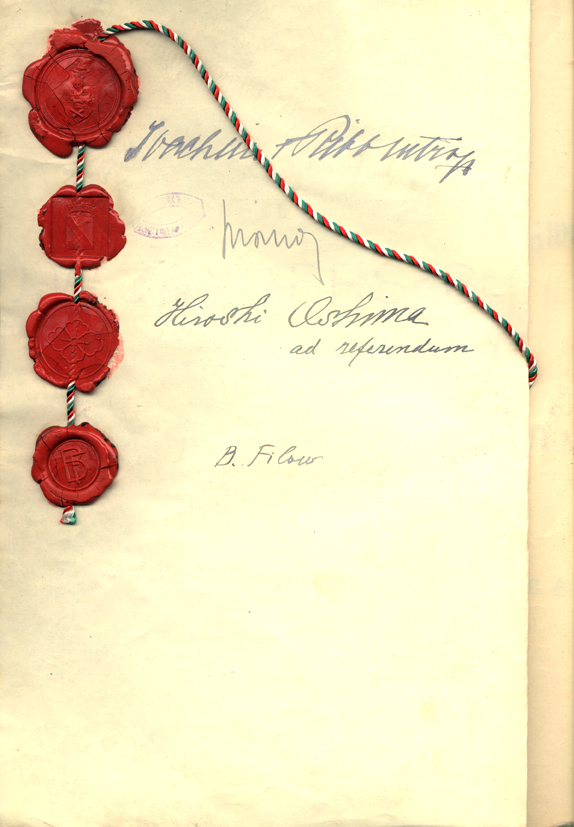
The date, March 1st, 1941, remains a deeply contentious one in Bulgarian history. On that day, Bulgaria formally joined the Axis powers – Nazi Germany, Fascist Italy, and the Empire of Japan – a decision that would irrevocably alter the nation’s trajectory during World War II. While proponents at the time hailed the move as a pragmatic step to reclaim lost territories and secure national interests, critics warned of a dangerous alignment with tyranny. Examining the events leading up to this pivotal moment, and its immediate aftermath, reveals a complex interplay of political maneuvering, national aspirations, and a fateful miscalculation that would cast a long shadow over Bulgaria for decades to come. The decision to align with the Axis powers wasn’t a unanimous one, and dissenting voices within Bulgaria’s political landscape predicted the dire consequences that would follow.
The allure of joining the Axis stemmed from Bulgaria’s territorial grievances following the Second Balkan War (1913) and World War I. The Treaty of Neuilly-sur-Seine (1919), imposed after Bulgaria’s defeat in WWI, stripped the country of significant territories, fueling a strong revisionist sentiment. Germany, under Adolf Hitler, offered a path to regain these lost lands – territories in Greece, Yugoslavia, and Romania – appealing to Bulgarian national pride and irredentist ambitions. This promise of territorial restoration, coupled with Germany’s military successes in Europe, created a climate of optimism among certain segments of the Bulgarian political elite. The Tripartite Pact, signed on March 1st, 1941, was presented as the key to unlocking these territorial gains, a diplomatic triumph that would restore Bulgaria to its former glory. However, this perceived “diplomatic masterpiece” came at a steep price.
A Nation Divided: Opposition to the Axis Alliance
Despite the official euphoria, the decision to align with the Axis was far from universally accepted within Bulgaria. Prominent political figures and intellectuals voiced strong opposition, recognizing the inherent dangers of aligning with Nazi Germany and Fascist Italy. Nikola Mushanov, a leading figure in the Bulgarian Agrarian National Union, emerged as a vocal critic of the impending alliance. He argued vehemently against the pact in the National Assembly, warning that it would lead Bulgaria down a path of destruction and subjugation. Mushanov’s prescient warnings, delivered in the days leading up to March 1st, 1941, were largely ignored by the ruling government, led by Prime Minister Bogdan Filov.
Mushanov’s concerns were not unfounded. He foresaw that the alliance would not bring genuine independence or prosperity, but rather would transform Bulgaria into a satellite state of Nazi Germany, sacrificing its sovereignty for illusory gains. As reported by Balkan Insight, Mushanov’s opposition represented a significant, though ultimately unsuccessful, attempt to steer Bulgaria away from the Axis orbit. Balkan Insight details the political climate of the time and the challenges faced by those who opposed the alliance.
The Pact and the Loss of Sovereignty
On March 1st, 1941, Bulgaria signed the Tripartite Pact in Vienna, officially joining the Axis powers. The signing ceremony was met with celebratory pronouncements from the Bulgarian government, portraying the alliance as a strategic necessity for national revival. However, the immediate consequences of this decision were a stark departure from the promised benefits. Just hours after the signing, German troops crossed the Danube River into Bulgaria, effectively ending any pretense of Bulgarian sovereignty. The presence of the Wehrmacht on Bulgarian soil signaled a clear loss of control over the nation’s own territory.
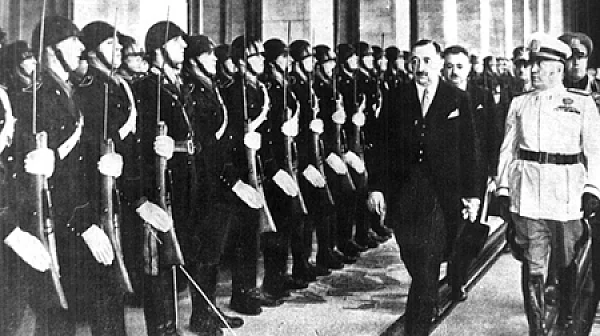
Prime Minister Bogdan Filov, a historian by profession, believed that Bulgaria could maintain a degree of neutrality within the Axis alliance, acting as a “loyal ally without actively participating in the war.” This proved to be a fatal miscalculation. Bulgaria’s territory became a crucial staging ground for German military operations against Greece and Yugoslavia, and Bulgarian forces participated in the occupation of these countries. According to historical accounts, the Bulgarian army’s involvement in these campaigns contributed to significant loss of life and widespread suffering among the civilian populations.
The Moral Cost: Collaboration and Deportation
The alliance with the Axis had profound moral implications for Bulgaria. While the Bulgarian government initially resisted German demands for the deportation of Jews within Bulgaria’s “old borders” (territories acquired before the Balkan Wars), it acquiesced to the deportation of over 11,000 Jews from the territories of Thrace and Macedonia, which were under Bulgarian administration. This act of collaboration remains a deeply painful chapter in Bulgarian history. The deportations, carried out in 1943, resulted in the deaths of almost all those deported to Nazi extermination camps.
Despite this dark chapter, Bulgaria’s actions regarding its Jewish population are often viewed with nuance. Historians note that Bulgaria was the only Axis country to avoid the mass deportation of its Jewish citizens within its pre-war borders, largely due to the intervention of the Bulgarian Orthodox Church and civil society. However, this relative protection did not extend to the Jewish communities in the occupied territories, highlighting the complex and tragic consequences of Bulgaria’s alliance with Nazi Germany. The United States Holocaust Memorial Museum provides detailed information on the fate of Jews in Bulgaria during the Holocaust. USHMM details the complexities of the situation.
The Price of Alignment: Bombing and Soviet Occupation
Bulgaria’s attempt to remain a “loyal ally without war” proved unsustainable. In 1944, as the tide of the war turned against the Axis, Bulgaria was subjected to heavy Allied bombing raids, particularly on the capital city of Sofia. These bombings caused significant damage and loss of life, shattering the illusion of neutrality. In September 1944, a Soviet-backed coup d’état overthrew the pro-Axis government of Ivan Bagryanov, and Bulgaria switched sides, declaring war on Germany. The subsequent Soviet occupation of Bulgaria marked the finish of the country’s involvement in World War II, but also ushered in a period of communist rule that would last for over four decades.
The events of March 1st, 1941, serve as a stark reminder of the dangers of aligning with oppressive regimes and the importance of upholding national sovereignty and moral principles. The pursuit of short-term territorial gains at the expense of long-term national interests proved to be a disastrous miscalculation, leaving a lasting legacy of trauma and regret. The story of Bulgaria’s wartime choices underscores the enduring lesson that compromising with tyranny ultimately leads to the loss of everything.
Key Takeaways
- Bulgaria’s decision to join the Axis powers in 1941 was driven by a desire to reclaim lost territories and restore national pride.
- The alliance resulted in the loss of Bulgarian sovereignty, as German troops occupied the country shortly after the signing of the Tripartite Pact.
- Despite protecting its Jewish population within its pre-war borders, Bulgaria collaborated in the deportation of over 11,000 Jews from occupied territories.
- The alliance ultimately led to Bulgaria’s involvement in the war, Allied bombing raids, and a Soviet occupation.
- The events of March 1st, 1941, serve as a cautionary tale about the dangers of compromising with tyranny.
As Bulgaria continues to grapple with its complex past, the memory of March 1st, 1941, remains a crucial touchstone for national reflection. Understanding the motivations, consequences, and moral ambiguities of this pivotal moment is essential for building a more just and democratic future. The ongoing historical debate surrounding Bulgaria’s wartime role underscores the importance of preserving historical memory and fostering critical thinking about the nation’s past. What are your thoughts on Bulgaria’s decision to join the Axis powers? Share your comments below and join the conversation.