
Health authorities in Uganda are monitoring the clinical profile and genomic characterization of a 2026 Bundibugyo virus index case, marking a significant development in the surveillance of viral hemorrhagic fevers in the region. The case, identified through enhanced diagnostic protocols, provides researchers with critical data regarding the transmission dynamics and genetic evolution of this specific strain of the ebolavirus genus. According to the World Health Organization, Bundibugyo virus disease (BVD) remains a priority pathogen requiring rapid detection and containment strategies to prevent local outbreaks from escalating into broader public health emergencies.
The index case, which was confirmed via molecular testing in June 2026, serves as a primary reference point for current epidemiological investigations. By analyzing the viral genome, public health experts are working to determine whether the pathogen exhibits mutations that could affect diagnostic sensitivity or clinical presentation. This effort is supported by the Uganda Ministry of Health, which continues to implement integrated surveillance systems across districts historically prone to viral outbreaks. Understanding these molecular markers is essential for developing effective diagnostic tools and potential therapeutic interventions.
Clinical Presentation and Diagnostic Protocols
Patients presenting with symptoms of the Bundibugyo virus typically exhibit high fever, intense fatigue, muscle pain, and headache—clinical indicators that overlap with other endemic febrile illnesses such as malaria or typhoid. Because of these similarities, the Centers for Disease Control and Prevention (CDC) emphasizes that confirmatory laboratory testing is the only definitive method to distinguish BVD from other viral hemorrhagic fevers. The 2026 index case was identified after localized screening detected a cluster of symptoms, prompting immediate diagnostic follow-up.

Clinical management for the identified case follows established protocols for supportive care, focusing on rehydration, electrolyte stabilization, and symptom management. As of June 2026, officials have not reported any changes to the standard therapeutic guidelines, though the genomic data is being utilized to ensure that currently available PCR assays remain effective. Medical teams on the ground in Uganda are maintaining rigorous isolation procedures to minimize the risk of secondary transmission, a standard practice mandated by national infection control guidelines.
Genomic Insights and Viral Evolution
The genomic characterization of the 2026 Bundibugyo virus strain provides a snapshot of how the virus is currently circulating within the environment. Genomic sequencing allows scientists to track the “molecular clock” of the virus, identifying specific nucleotide substitutions that may have occurred since the virus was first discovered in the Bundibugyo District in 2007. According to data published by the WHO Regional Office for Africa, tracking these changes is vital for maintaining the efficacy of diagnostic tests and informing the development of future candidate vaccines.

Researchers are particularly focused on the glycoprotein gene of the virus, as this region is often the target for both the immune system and diagnostic probes. By comparing the 2026 sequence with historical isolates, the scientific community can assess whether the virus is undergoing significant evolutionary pressure. This work is part of a broader, ongoing effort to map the diversity of filoviruses in East Africa, ensuring that health systems remain one step ahead of potential zoonotic spillover events.
Public Health Impact and Future Surveillance
The identification of this index case has triggered a robust public health response, characterized by contact tracing and community engagement. The Africa Centres for Disease Control and Prevention plays a central role in coordinating these efforts, providing technical support to local health departments. These measures are designed to break the chain of transmission early, preventing the virus from moving from sporadic cases to widespread community clusters.
For the public, the primary utility of this research lies in the strengthening of early warning systems. The ability to characterize a virus within days of an index case discovery represents a major advancement in global health security compared to a decade ago. Residents in affected regions are encouraged to report unexplained deaths or severe symptoms to local health facilities immediately. Official updates regarding the situation are regularly posted through the Uganda Ministry of Health’s official portal, which serves as the primary source for accurate, localized safety guidance.
Understanding the Bundibugyo Virus
The Bundibugyo virus is one of the five known species within the Ebolavirus genus. Unlike some other strains, which have historically shown higher case fatality rates, the Bundibugyo strain has demonstrated a distinct, albeit serious, clinical profile. Medical professionals note that the severity of the disease can be influenced by the speed of medical intervention, highlighting why early diagnosis remains the cornerstone of survival.
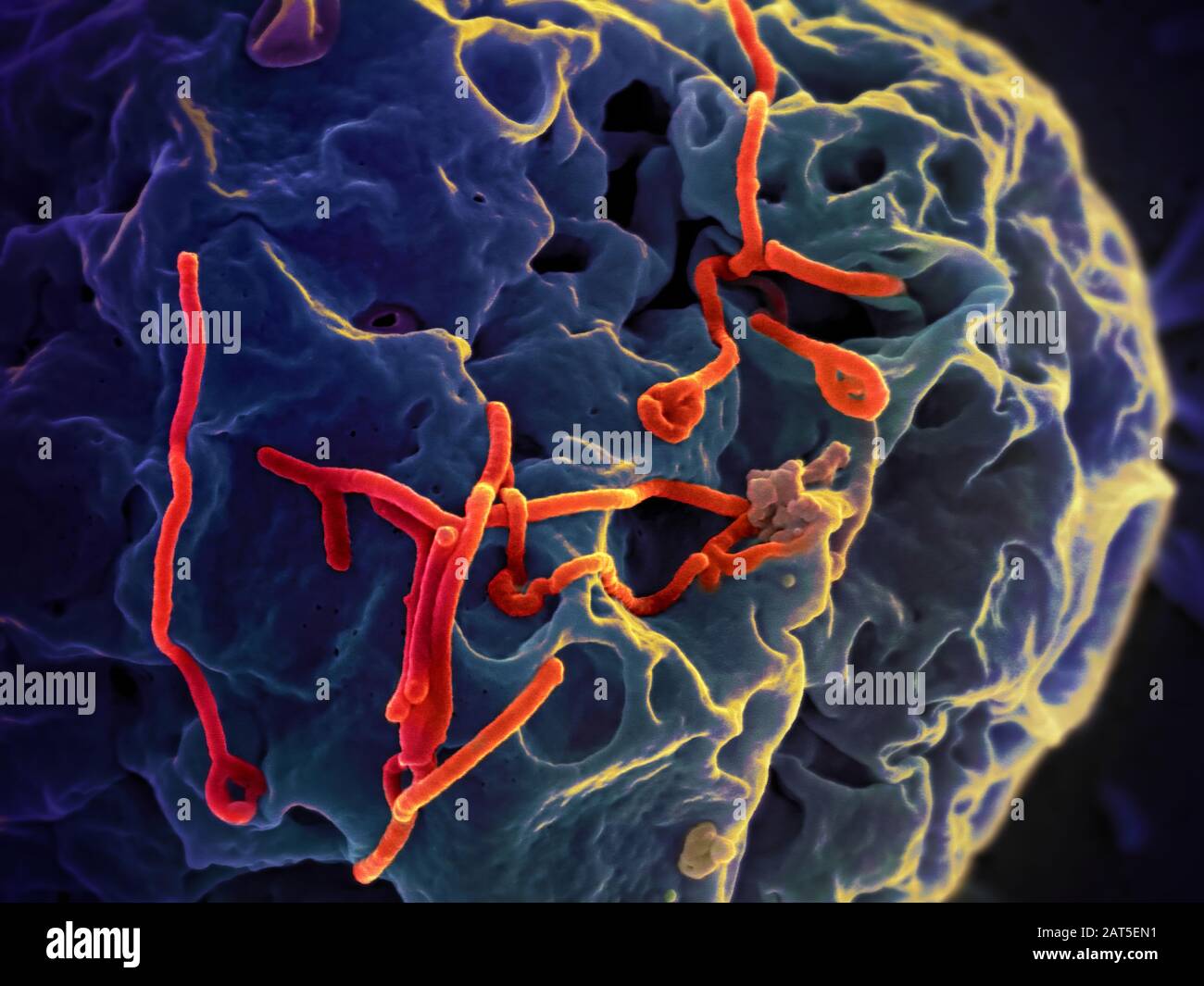
As the investigation into the 2026 case continues, the next checkpoint will involve the publication of a comprehensive epidemiological report by national health authorities, expected in the coming months. This report will detail the final contact tracing outcomes and provide a full analysis of the genomic findings. Readers interested in the latest developments are encouraged to monitor updates from the Ministry of Health and share this information to promote public awareness and community preparedness.
Worth a look