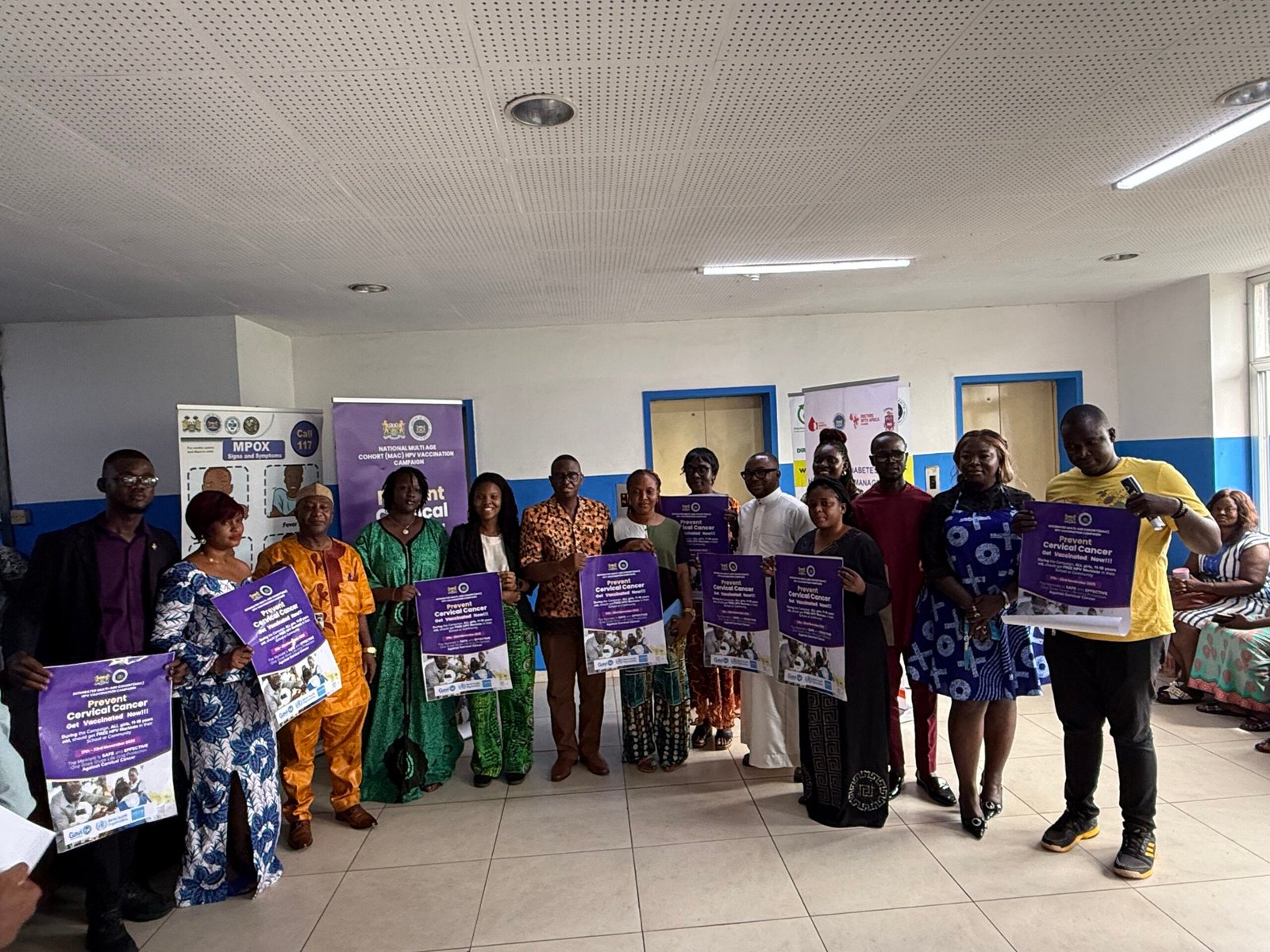
Bujumbura, Burundi – In a significant step towards bolstering public health, the government of Burundi launched a national vaccination campaign against the human papillomavirus (HPV) on April 29, 2026. This initiative, supported by Gavi, the Vaccine Alliance, UNICEF, and the World Health Organization (WHO), aims to protect girls and prevent cervical cancer, a leading cause of mortality among women in the East African nation. The campaign represents a crucial intervention in a country where access to preventative healthcare remains limited, and the burden of HPV-related cancers is substantial.
Cervical cancer is the fourth most common cancer globally, but its impact is disproportionately felt in low- and middle-income countries like Burundi. According to data from GLOBOCAN 2020/2022, as reported by the WHO, Burundi recorded approximately 1,581 new cases of cervical cancer between 2017 and 2022, tragically resulting in 1,126 deaths. This underscores the urgent need for preventative measures, particularly vaccination, to curb the incidence and mortality rates associated with this preventable disease. The introduction of the HPV vaccine is therefore a strategic public health response, offering a pathway to safeguard the health of future generations.
Burundi’s HPV Vaccination Campaign: Details and Scope
The HPV vaccination campaign is targeted at girls and young women, recognizing them as the primary population at risk of contracting the virus and developing cervical cancer. With a population exceeding 12.3 million, and over half being female, and nearly 3.5 million women over the age of 15, Burundi faces a considerable risk. The vaccination will be administered in schools to enrolled girls, and outreach programs will ensure that those not attending school have access to the vaccine through health centers across the country. This comprehensive approach aims to maximize coverage and ensure equitable access to this life-saving intervention.
Dr. Fidèle Nkezabahizi, Burundi’s Minister of Public Health, emphasized the government’s commitment to combating cervical cancer, stating, “The Government of Burundi is making the fight against cervical cancer a national priority. With the introduction of the HPV vaccine, we are taking a decisive step to protect future generations and save lives.” This statement highlights the political will and dedication driving the campaign forward, signaling a long-term investment in women’s health.
The Global Context: HPV and Cervical Cancer Prevention
The HPV vaccine works by preventing infection with the most common types of HPV that cause cervical cancer. The WHO recommends that countries introduce HPV vaccination as part of a comprehensive cervical cancer control program, which also includes screening for precancerous lesions and treatment of cervical cancer. While the HPV vaccine is highly effective, its impact is maximized when combined with regular screening programs. Gavi, the Vaccine Alliance reports that this introduction is a significant milestone in the global effort to eliminate cervical cancer.
The challenge of cervical cancer extends beyond Burundi, impacting numerous countries in Africa and around the world. In Côte d’Ivoire, for example, authorities are accelerating their strategy to eliminate cervical cancer, recognizing the urgent need for preventative measures. Initiatives like the one announced by the ONG-LA PNE to screen 1500 women for breast and cervical cancer in Kouto demonstrate a growing regional commitment to addressing this public health concern. Agence Ivoirienne de Presse (AIP) reported on this initiative on March 27, 2026.
Understanding the Burden of Cervical Cancer in Africa
Cervical cancer remains a significant public health problem across Africa, often linked to limited access to vaccination, screening, and treatment. LACTUACHO.COM highlights this as a “paradox sanitaire,” noting that despite being largely preventable, the disease continues to claim thousands of lives. Factors contributing to this disparity include socioeconomic challenges, limited healthcare infrastructure, and cultural barriers to accessing healthcare services.
Challenges and Future Directions
While the introduction of the HPV vaccine is a monumental achievement, sustaining the campaign and ensuring long-term impact will require ongoing commitment and resources. Challenges may include maintaining vaccine supply, addressing logistical hurdles in reaching remote communities, and combating misinformation about vaccine safety. Integrating HPV vaccination into existing healthcare systems and strengthening cervical cancer screening programs will be crucial for maximizing the benefits of this intervention.
The success of Burundi’s HPV vaccination campaign will not only improve the health of its female population but also serve as a model for other countries in the region. By prioritizing preventative healthcare and investing in innovative solutions, Burundi is demonstrating its commitment to building a healthier future for its citizens. Continued monitoring and evaluation of the campaign’s impact will be essential for informing future strategies and ensuring that the benefits of HPV vaccination are realized for generations to come.
Key Takeaways
- Burundi has launched a national HPV vaccination campaign to prevent cervical cancer, a leading cause of death among women.
- The campaign, supported by international organizations like Gavi, UNICEF, and the WHO, targets girls and young women.
- Cervical cancer is a significant public health challenge in Africa, but it is largely preventable through vaccination and screening.
- Sustaining the campaign and addressing logistical challenges will be crucial for long-term success.
The next step for Burundi will be to monitor the vaccine’s coverage and impact, and to continue strengthening its cervical cancer screening programs. Further updates on the campaign’s progress are expected from the Ministry of Public Health in the coming months. We encourage readers to share their thoughts and experiences on this significant public health initiative in the comments below.
Worth a look