
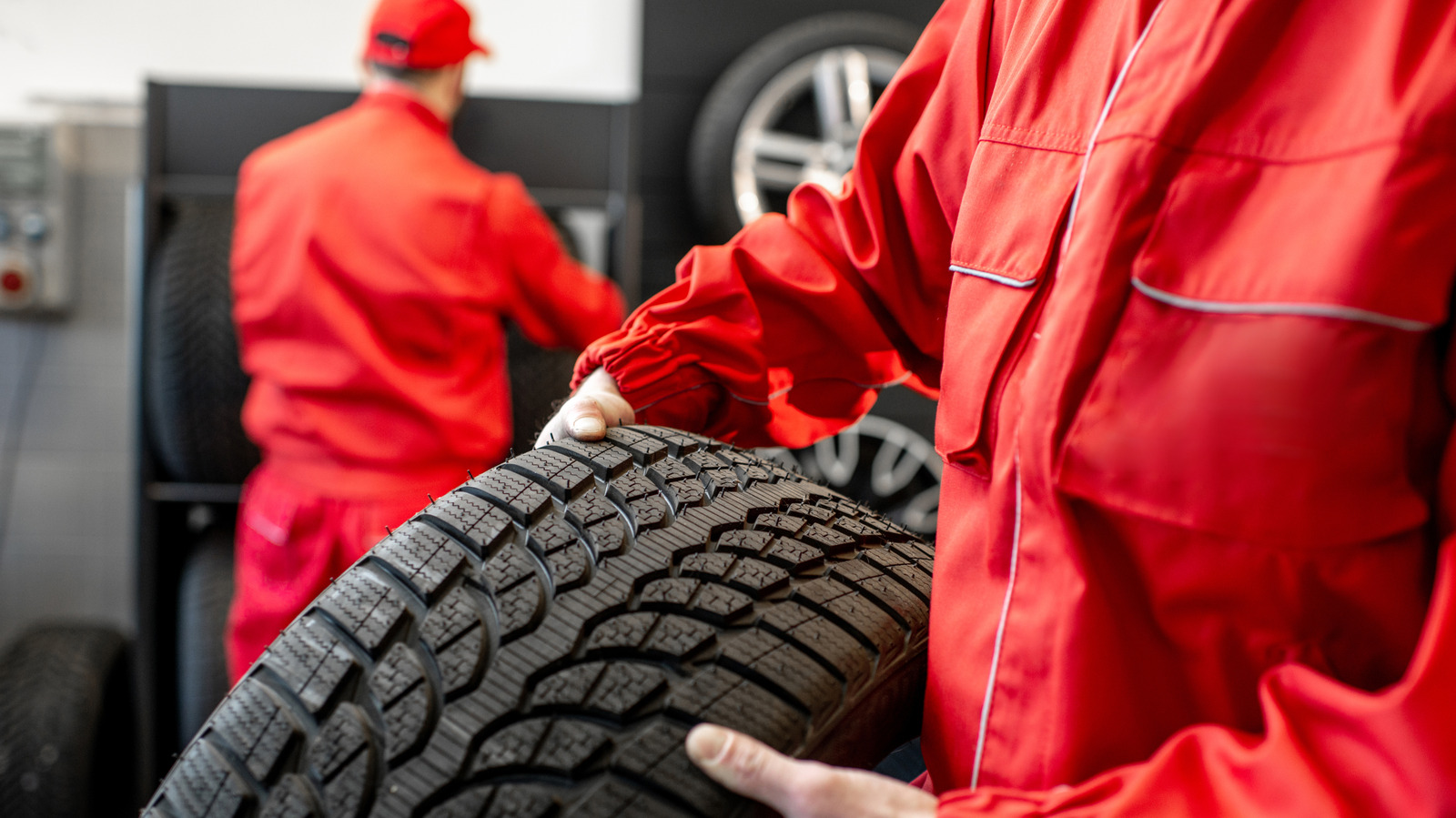
For many vehicle owners, the cost of automotive maintenance is a constant financial pressure. One of the most significant expenses in a car’s upkeep is the replacement of tires, leading many consumers to explore buying your own tires from third-party vendors to avoid the premium pricing often found at traditional dealerships or large-box retailers.
Although sourcing your own tires can lead to substantial savings, the process is not without risk. Some automotive retailers may refuse to install tires that were not purchased directly from their own inventory. According to industry warnings, success in this cost-saving strategy depends entirely on “getting it right,” as failure to meet specific retailer requirements can leave a consumer with a set of tires and no professional way to mount them.
The Financial Incentive for Independent Tire Sourcing
The primary motivation for buying tires independently is the stark difference in pricing. Recent consumer experiences highlight how drastically costs can vary between major warehouse clubs and independent alternatives. In one reported instance, a consumer received a quote of $700 for new tires from Sam’s Club, only to find a full set elsewhere for $350.

This price gap has led some drivers to move away from established names like Costco and Sam’s Club in favor of cheaper, alternative methods of procurement. For those operating on a strict budget, the ability to halve the cost of a critical safety component like tires is a compelling reason to bypass traditional retail channels.
Navigating the 2026 Tire Retailer Landscape
As consumers seek the best value, the reputation and service quality of tire shops become paramount. For 2026, Consumer Reports has identified the best and worst tire retailers, providing a benchmark for those who prefer the security of a highly-rated shop over the potential risks of independent sourcing.
The tension between cost-saving and convenience often comes down to the installation phase. While a consumer may find a bargain online, the local shop that performs the mounting and balancing is the final gatekeeper. If the tires are not compatible or do not meet the shop’s internal standards, the consumer may be forced to seek another provider or return the product.
Why Some Retailers Refuse Installation
The risk of a retailer refusing to install customer-provided tires is a critical consideration for anyone attempting to save money. While the specific reasons can vary by shop policy, the general consensus is that the purchase must be “gotten right” to ensure acceptance. This typically involves ensuring the tires are the exact specifications required for the vehicle and that the retailer is willing to accept the liability of installing a product they did not sell.
For those who wish to avoid the frustration of being turned away, It’s advisable to confirm the installation policy of a local shop before completing an independent purchase. This ensures that the savings gained from buying your own tires are not offset by the difficulty of finding a technician willing to perform the work.
Key Considerations for Independent Tire Buyers
- Price Verification: Compare quotes from big-box retailers against independent shops to identify potential savings.
- Installation Confirmation: Contact the intended installation shop to verify they accept customer-provided tires.
- Specification Accuracy: Ensure the tire size and load rating are exactly what the vehicle requires to avoid refusal.
- Retailer Ratings: Consult updated guides, such as those from Consumer Reports, to find reliable service providers.
As the automotive market continues to evolve in 2026, the balance between DIY sourcing and professional service remains a key point of contention for budget-conscious drivers. While the potential for savings is significant, the logistical hurdles of installation remain the primary obstacle.
We invite our readers to share their experiences with independent tire sourcing in the comments below. Have you successfully saved money by buying your own tires, or have you encountered retailers who refused installation?