
Maintaining health in later life requires a shift from reactive treatment to proactive prevention. For many older adults, the transition into senior years brings an increased susceptibility to chronic conditions that often develop silently, without obvious symptoms. Prioritizing top annual health checkups every senior citizen should prioritize is not merely about detecting illness, but about preserving independence and quality of life.
Preventive care encompasses a broad range of services designed to find health problems before they become serious or to prevent them entirely. This includes routine physical exams, screening tests to detect diseases early when they are easier to treat, and vaccinations to prevent infectious diseases. According to the Centers for Disease Control and Prevention (CDC), these services are distinct from visits for specific sicknesses or injuries and are essential for staying well.
The effectiveness of these screenings often depends on an individual’s specific risk factors, including family health history. A record of diseases like heart disease, diabetes, or cancer in the family can increase an individual’s own risk, making regular checkups and lifestyle adjustments even more critical. While genetic factors cannot be changed, modifying behaviors—such as improving nutrition and increasing physical activity—can significantly lower the risk of chronic illness.
For those navigating the healthcare system, not all health plans are identical. Options for preventive services can vary based on a person’s specific needs and qualifications, as noted by the California Department of Managed Health Care.
Essential Cardiovascular and Metabolic Screenings
Heart health and metabolic stability are primary concerns for senior citizens. Several “silent” conditions can damage the body for years before a patient feels any physical distress.
Blood Pressure Monitoring
Hypertension, or high blood pressure, is frequently referred to as a “silent killer” because it often presents no symptoms while causing significant damage. If left untreated, it can lead to severe complications, including stroke, heart disease, and renal damage. Regular blood pressure tests are necessary to identify and manage this condition early.
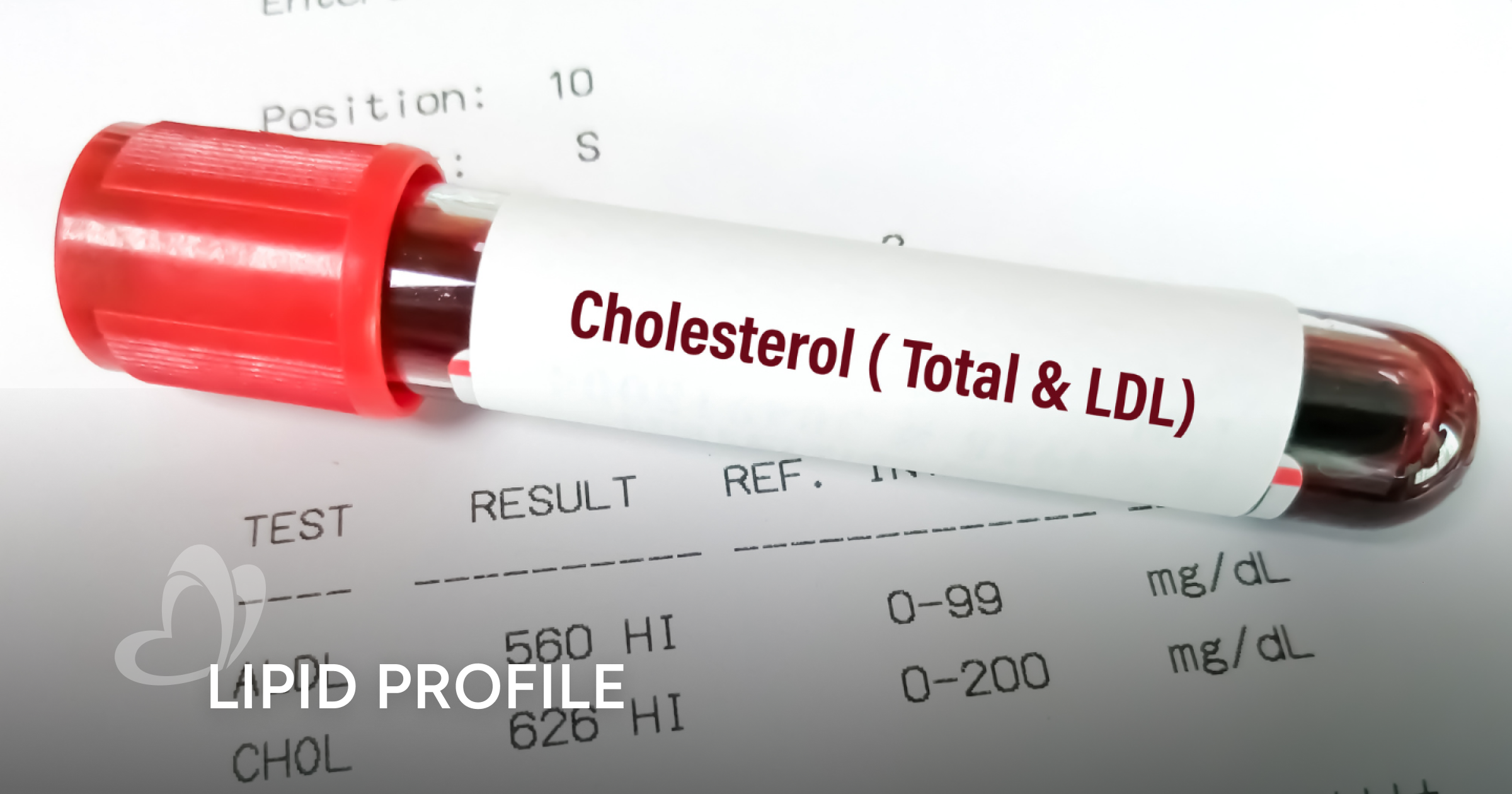
Cholesterol and Lipid Profiles
High cholesterol increases the likelihood of experiencing a stroke or heart attack. Seniors should undergo regular lipid level examinations to monitor their cholesterol. When levels are found to be high, healthcare providers can recommend medications or lifestyle changes to preserve heart health and reduce risk.
Diabetes and Blood Glucose Testing
The risk of developing type 2 diabetes increases with age. Uncontrolled blood sugar can lead to nerve damage, visual impairment, and kidney disease. To ensure glucose levels remain in a healthy range, seniors should prioritize annual fasting blood sugar tests or HbA1c testing.
Cancer Screenings and Cognitive Health
Early detection is the most critical factor in successfully treating many forms of cancer and managing cognitive decline.
Lung Cancer Screening
For seniors with a history of smoking or significant exposure to secondhand smoke, doctors may recommend screening for lung cancer. Low-dose CT scans are used to find the disease in its early stages, which is when it is most treatable.
Cognitive Evaluations and Dementia Screening
Identifying early signs of Alzheimer’s disease or other forms of dementia is vital for planning future care. While there is no single definitive test for dementia, doctors use cognitive evaluations and tests to look for symptoms such as confusion, memory loss, or difficulty performing daily chores. Early detection allows families to implement lifestyle changes and therapeutic interventions.
Mental Health and Holistic Wellness
Physical health is inextricably linked to emotional well-being. Seniors are particularly vulnerable to mental health challenges that can impact their overall physical longevity.
Depression and Emotional Screenings
Feelings of loneliness, stress, or sadness can evolve into clinical depression in older adults. Annual mental health screenings and open dialogue with healthcare providers ensure that emotional wellness is prioritized alongside physical health, providing a pathway to counseling and therapy.
Comprehensive Preventive Services for Older Adults
Beyond specific disease screenings, comprehensive care for seniors involves a broader checklist of activities. According to guidelines from the U.S. Preventive Services Task Force (USPSTF) and Medicare, there are approximately 27 preventive health services that older adults should consider for healthy aging. These include:
- Dental cleanings and oral health exams.
- Vaccinations (shots) to prevent infectious diseases.
- Screenings for common aging problems such as falls, incontinence, and polypharmacy (the use of multiple medications).
- Education and counseling to help patients craft informed health decisions.
- Advance care planning regarding medical, legal, and financial matters.
Key Takeaways for Senior Health Management
- Prioritize Routine: Regular checkups should be separate from visits for acute illness.
- Know Your History: Share family health records with your doctor to tailor your screening schedule.
- Focus on the “Silent” Risks: Blood pressure, cholesterol, and glucose levels require regular monitoring regardless of how you feel.
- Integrate Mental Health: Ensure your annual physical includes a discussion about emotional well-being and cognitive function.
- Verify Coverage: Check your specific health plan to see which preventive services are covered.
Annual health checkups are a strategic investment in a longer, more fulfilling life. By focusing on prevention rather than just treatment, senior citizens can maintain their freedom and health for as long as possible. Do not wait for the appearance of symptoms to seek medical attention; schedule your preventive care today.
For those seeking a personalized health plan, the next step is to consult with a primary care provider to establish a screening calendar based on the USPSTF guidelines and individual health history. We encourage readers to share their experiences with preventive care in the comments below.
Related reading