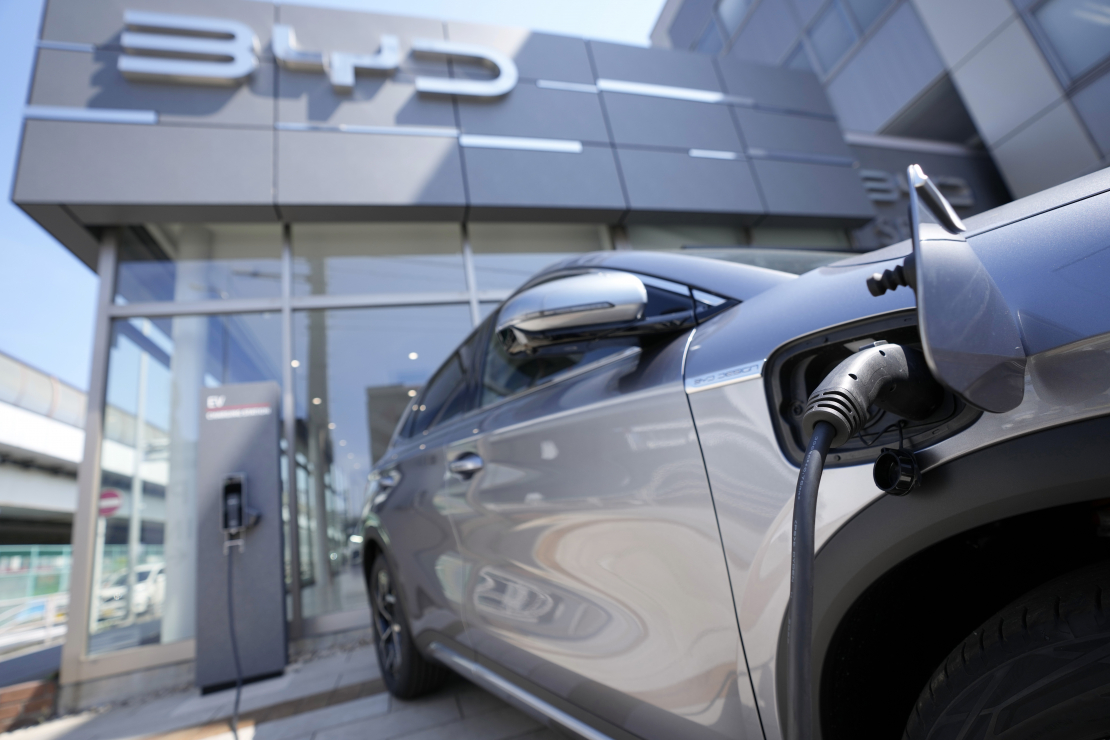
The United States government continues to maintain a rigorous watch over Chinese corporate entities under the umbrella of national security, with electric vehicle manufacturer BYD frequently cited in discussions surrounding the intersection of commercial interests and Chinese military development. While BYD has consistently denied any direct affiliation with the Chinese military establishment, the company remains subject to ongoing scrutiny as the U.S. Department of Defense updates its list of “Chinese military companies” operating in the United States, as mandated by Section 1260H of the William M. Thornberry National Defense Authorization Act for Fiscal Year 2021.
This scrutiny forms part of a broader, long-standing regulatory environment where the U.S. government monitors foreign firms deemed to have ties to the People’s Liberation Army (PLA). The designation process, managed by the Department of Defense, is not an immediate sanction but acts as a significant warning to U.S. investors and institutions regarding the potential risks associated with these companies, according to the official Department of Defense policy updates. For global market observers, the inclusion of prominent technology and manufacturing firms on such lists creates a complex landscape for international trade and investment compliance.
The Regulatory Framework for Chinese Military-Linked Firms
The legal mechanism for identifying these companies stems from the National Defense Authorization Act (NDAA), which requires the Secretary of Defense to identify “military-civil fusion” contributors. The Department of Defense defines these as entities that provide support to the Chinese military through research, development, or production. This framework, detailed in the National Defense Authorization Act for Fiscal Year 2021, serves as the primary tool for the U.S. to mitigate technology transfer risks. It is important to distinguish this list from the Entity List managed by the Department of Commerce, which imposes strict export controls on specific companies.

Industry analysts note that for companies like BYD, being linked to such discussions creates significant reputational and operational hurdles. The company, which has rapidly expanded its global footprint in the electric vehicle (EV) and battery technology sectors, has historically maintained that it is a private entity focused on commercial automotive and renewable energy production. The tension arises from the Chinese government’s “civil-military fusion” strategy, which encourages the integration of private industry innovations into military capabilities, making it difficult for multinational corporations to operate without facing scrutiny from Western regulators who view this integration as a security vulnerability.
BYD’s Global Market Position and Security Scrutiny
BYD’s position in the global market is substantial. As a major competitor to Tesla and other legacy automakers, the company’s success in battery technology and vehicle manufacturing has made it a focal point of industrial policy debates in both Washington and Brussels. According to data from the International Energy Agency, the rapid scaling of Chinese EV manufacturers has led to significant shifts in global supply chains, prompting Western governments to re-evaluate their dependency on non-allied nations for critical infrastructure components, including vehicle software and telematics.
The core of the concern from U.S. officials often relates to the data-gathering capabilities of modern connected vehicles. Because EVs function effectively as computers on wheels, regulators express concern that data collected by sensors, cameras, and GPS systems could be accessed by foreign intelligence services. While BYD has repeatedly stated that it adheres to all international data privacy and security standards, the geopolitical climate has heightened the sensitivity of these technological interactions. This is a common challenge for many international firms operating under the current U.S. executive oversight regarding connected vehicle technology.
What Happens Next for Investors and Stakeholders
The situation remains fluid, as companies named in these contexts often engage in legal or diplomatic efforts to clarify their status or challenge their inclusion. In the United States, the process of contesting a designation on defense-related lists involves rigorous administrative and legal reviews. For investors, the primary concern is the potential for future capital restrictions, as executive orders have previously prohibited U.S. persons from investing in companies identified as having ties to the Chinese military-industrial complex. Official guidance on these prohibitions is maintained by the U.S. Department of the Treasury’s Office of Foreign Assets Control (OFAC), which enforces sanctions-related programs.
For the average consumer or business partner, the immediate impact of these designations is often limited to increased compliance requirements rather than an outright cessation of business. However, the long-term trajectory suggests a tightening of trade policies regarding advanced technologies. Market participants are advised to monitor official communications from the Department of Defense and the Department of Commerce for any changes in the status of specific firms. As these policies evolve, maintaining a robust understanding of federal regulatory filings remains the most reliable method for assessing individual corporate risk.
Further developments regarding the status of various international manufacturers are expected to be announced through routine updates to the Department of Defense’s official website. Readers interested in the intersection of policy and automotive innovation are encouraged to stay informed through official government registers and verified financial reporting channels. We welcome your perspectives on how these global trade policies may shape the future of the electric vehicle market; please share your thoughts or continue the discussion in the comments section below.
Keep reading