Cádiz, Spain – A new initiative is underway to bolster the city’s local commerce sector, with the launch of the Escuela de Comercio de Cádiz 2026. This collaborative effort, spearheaded by the Cádiz City Council through the Instituto de Fomento, Empleo y Formación (IFEF), alongside the University of Cádiz (UCA) via its UCAEmprende service, aims to equip local businesses with the tools and knowledge needed to thrive in a rapidly evolving marketplace. The program as well benefits from the collaboration of the Cámara de Comercio de Cádiz, the Asociación Cádiz Centro Comercial Abierto, and the Asociación de Comerciantes de Extramuros.
The Escuela de Comercio de Cádiz isn’t simply a return to tradition; it’s a modern reimagining of a historical institution. Inspired by the original Escuela de Comercio founded in Cádiz in 1564, this 2026 iteration focuses on contemporary challenges and opportunities facing businesses today. The program recognizes the critical need for adaptation in the face of shifting consumer behaviors and the increasing importance of digital strategies. This initiative underscores a broader strategy by the Cádiz City Council to foster alliances and collaborations with institutions to invigorate the city, support its business ecosystem, and cultivate a diverse and resilient commercial landscape.
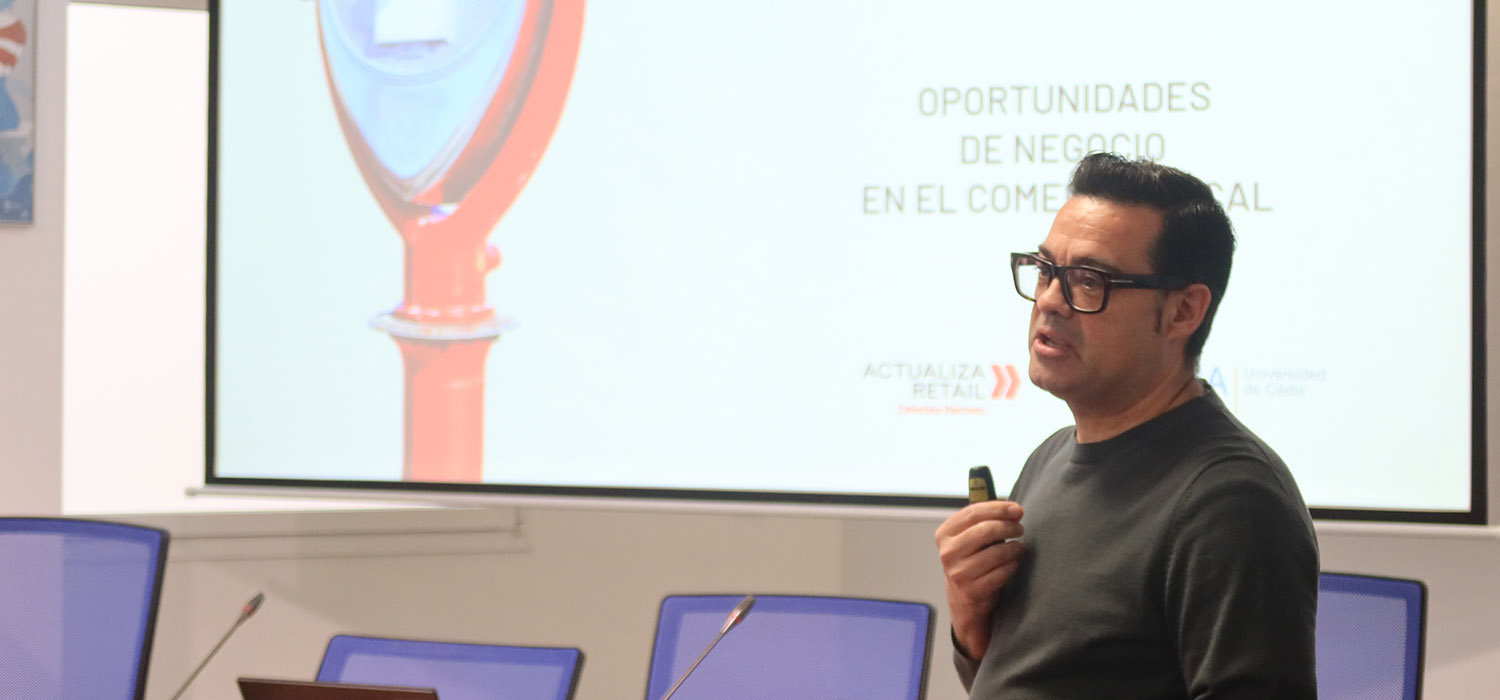
The program officially commenced with a session titled “Opportunities in Local Commerce,” featuring Celestino Martínez of the consultancy Actualiza Retail. Martínez emphasized that recent changes in consumer behavior aren’t fleeting trends but represent a fundamental shift. He argued that proximity-based businesses have a significant opportunity to adapt by deeply understanding their customer base, precisely defining their target market, and strategically embracing specialization where feasible. This focus on customer understanding is paramount in a competitive environment.
The Escuela de Comercio de Cádiz 2026 represents a strategic investment in the future of local businesses, providing a platform for collaboration between academic expertise and practical commercial experience. The program’s structure, encompassing ten specialized workshops running through June 3, 2026, demonstrates a commitment to providing comprehensive and actionable training. The initiative is particularly timely as businesses navigate the complexities of post-pandemic recovery and the ongoing digital transformation of the retail sector.
Adapting to the Modern Consumer: Key Insights from Celestino Martínez
Celestino Martínez, during the opening session, highlighted the importance of moving beyond simply selling products to creating lasting relationships with customers. He advocated for incorporating added-value services, personalization, and unique experiences to differentiate businesses from standardized models. This shift requires a deeper understanding of customer motivations and expectations, moving away from a transactional approach to a more relational one. According to Martínez, the key is to build a sustained connection with the client, based on a comprehension of their needs.
Martínez also addressed the evolving dynamics of the customer experience. He noted a move away from the traditionally “overly assisted” model, where salespeople immediately intervene, towards a more flexible approach. While customers still value personalized attention, they increasingly prefer to receive it on their own terms, rather than being proactively approached. Adapting to the customer’s pace and allowing them to guide the interaction is becoming a strategic advantage.
The effective use of social media was another key topic. Martínez cautioned against investing in social media content creation without a clear strategy. He warned that generating product-focused posts without a defined target audience or commercial objectives can lead to inefficient use of time, and resources. Though, with a well-aligned plan that supports the business’s positioning, digital channels can become powerful tools for brand building and sales growth.
Workshop Schedule and Key Themes
The Escuela de Comercio de Cádiz 2026 offers a comprehensive curriculum of ten specialized workshops designed to address critical areas for the commercial sector. The program is structured to provide practical, applied learning, enabling participants to immediately implement new strategies in their businesses. Participants can choose to attend individual sessions or complete the full cycle, with ongoing access to shared resources.
The workshop schedule, running until June 3, 2026, covers a diverse range of topics. Following the initial session on business opportunities, the program continues on March 4th with a workshop on “Communication, Branding, and Storytelling for Commerce.” Subsequent sessions include “Attracting and Retaining Talent in Local Commerce” on March 18th, and “Is My Business Profitable? Strategies to Improve My Numbers” on March 25th. April will witness workshops dedicated to “AI for Social Media in Commerce” (April 8th), “Merchant: Reduce Your Stress” (April 15th), and “Local Regulations Needed for Your Business” (April 22nd). The program concludes in May with sessions on “Window Display and Business Decoration” (May 6th) and “Sustainability and Responsible Commerce” (May 20th), culminating in a final closing session and networking event on June 3rd.
The IFEF, the driving force behind this initiative, has a long history of supporting local economic development in Cádiz. Established to promote employment and training, the IFEF plays a crucial role in fostering a vibrant business community. The institute’s commitment to strengthening local commerce is evident in its ongoing support for initiatives like the Escuela de Comercio de Cádiz.
Collaboration and Institutional Support
The success of the Escuela de Comercio de Cádiz 2026 hinges on the strong collaboration between several key institutions. The Ayuntamiento de Cádiz, through the IFEF, provides the foundational support and logistical framework. The University of Cádiz, via UCAEmprende, contributes academic expertise and research insights. The Cámara de Comercio de Cádiz brings its extensive network and business acumen to the table, while the Asociación Cádiz Centro Comercial Abierto and the Asociación de Comerciantes de Extramuros represent the interests of local merchants. This multi-stakeholder approach ensures that the program is responsive to the real-world needs of the Cádiz commercial sector.
The involvement of UCAEmprende, the University of Cádiz’s entrepreneurial support service, is particularly noteworthy. UCAEmprende’s mission is to foster innovation and entrepreneurship within the university community, and its participation in the Escuela de Comercio de Cádiz bridges the gap between academic research and practical business application.
The Escuela de Comercio de Cádiz 2026 offers a valuable opportunity for local businesses to enhance their competitiveness and adapt to the evolving demands of the modern marketplace. By providing targeted training, fostering collaboration, and leveraging the expertise of leading institutions, this initiative is poised to play a significant role in strengthening the economic vitality of Cádiz. The next key date is March 4th, with the workshop on Communication, Branding, and Storytelling for Commerce. Interested participants are encouraged to explore the full program schedule and access registration information through the IFEF website. We invite readers to share their thoughts on this initiative and its potential impact on the local business community in the comments below.
Keep reading