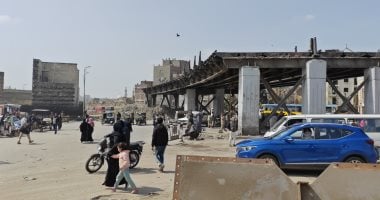
Cairo Dismantles Decades-Old Flyover, Ushering in New Era for Historic District
Cairo, Egypt – In a landmark move aimed at alleviating chronic congestion and revitalizing a historically significant area, authorities have begun dismantling the Sida Aisha flyover. The demolition, coupled with the recent operational launch of the new Salah Salem axis, signals a major transformation for the city’s transportation network and a renewed focus on preserving Cairo’s cultural heritage. The project aims to convert the surrounding area into a world-class tourist destination, linking key historical sites and religious landmarks.
The removal of the flyover follows the successful commissioning of the alternative route, the Salah Salem axis, a 2.8-kilometer thoroughfare designed to divert traffic away from the congested Sida Aisha square. This ambitious infrastructure project isn’t merely about easing traffic flow; it’s a comprehensive urban redevelopment plan intended to unlock the potential of a region steeped in history, connecting the Citadel, Fustat, Old Cairo, and the Civilization Axis. The initiative promises to reshape the urban landscape and enhance accessibility to some of Cairo’s most treasured sites.
For decades, the Sida Aisha flyover has been a source of frustration for commuters, plagued by persistent traffic jams and a concerning safety record. Built in 1979 as a temporary solution, the structure’s sharp curves and limited visibility contributed to numerous accidents. According to reports, over 15 traffic incidents were recorded on the flyover in 2025 alone, highlighting the urgent demand for a more sustainable and safer transportation solution. The decision to dismantle the flyover was not taken lightly, but rather as a necessary step to address long-standing issues and pave the way for a more modern and efficient transportation system.
From Congestion to Cultural Hub: The Vision for Sida Aisha Square
The demolition of the Sida Aisha flyover is central to a broader vision of transforming the surrounding area into a vibrant cultural and tourist hub. The plan envisions a pedestrian-friendly zone, incorporating several religious and Islamic historical sites into an open-air “museum.” This ambitious project aims to seamlessly connect the historic Citadel of Saladin with the mosques of the Ahl al-Bayt (the Prophet Muhammad’s family), including the mosques of Sayyida Aisha and Sayyida Nafisa, restoring the historical grandeur of this vital area. The initiative is part of a larger national strategy to develop Historic Cairo and reclaim its cultural identity.
The new Salah Salem axis is designed to be the key to realizing this vision. The axis reroutes traffic, effectively removing it from the immediate vicinity of the historical sites. This allows for the creation of a more welcoming and pedestrian-focused environment, encouraging both local residents and tourists to explore the area’s rich cultural heritage. The project also includes extensive landscaping and beautification efforts, further enhancing the aesthetic appeal of the square and its surroundings.
The Salah Salem Axis: A Modern Alternative
The Salah Salem axis, now fully operational, provides a modern and safer alternative to the aging Sida Aisha flyover. Spanning 2.8 kilometers, the axis is engineered to seamlessly connect the Citadel directly to the Civilization Axis and the Nile Corniche. This strategic connection significantly reduces congestion at the entrances to the square, eliminating the dangers associated with the flyover’s sharp curves and precarious elevation. The new axis represents a significant investment in Cairo’s infrastructure and a commitment to improving the quality of life for its residents.
The construction of the Salah Salem axis was a complex undertaking, requiring careful planning and execution to minimize disruption to traffic flow. Authorities implemented a series of traffic diversions to ensure that commuters could navigate the area safely during the construction phase. The successful completion of the project demonstrates the government’s ability to deliver large-scale infrastructure projects efficiently and effectively.
A History of Engineering Flaws and Technical Challenges
The Sida Aisha flyover, initially conceived as a temporary fix in 1979, remained in use for decades despite its inherent engineering flaws. The primary issue was the sharp bend in the roadway approaching from the Citadel, a design compromise necessitated by the inability to demolish existing buildings to create a more gradual curve. According to officials, the construction philosophy at the time did not allow for the removal of properties to adjust the routes, leading to hazardous deviations that contributed to numerous traffic accidents. The flyover’s structural integrity had also deteriorated over time, further exacerbating safety concerns.
The decision to remove the flyover was driven by a commitment to prioritize public safety and create a more sustainable transportation solution. The new Salah Salem axis provides a modern and efficient alternative, addressing the shortcomings of the old structure and paving the way for a more vibrant and accessible historic district. The demolition marks the end of an era for the flyover, but also the beginning of a new chapter in Cairo’s urban development.
Looking Ahead: Transforming Sida Aisha into a Tourist Destination
The removal of the flyover is just the first step in a comprehensive plan to transform Sida Aisha square into a world-class tourist destination. The project includes the creation of landscaped gardens, pedestrian walkways, and improved lighting, creating a more inviting and accessible environment for visitors. Authorities are also working to restore and preserve the surrounding historical buildings, ensuring that the area’s cultural heritage is protected for future generations. The goal is to create a seamless connection between the Citadel, the mosques of Ahl al-Bayt, and other nearby historical sites, offering visitors a unique and immersive cultural experience.
Dr. Ibrahim Saber, Governor of Cairo, emphasized the vision of transforming the Sida Aisha area into an open-air tourist zone connecting major axes, including the Complex of Religions, the Walls of the City of the Dead, and the mosques of Ahl al-Bayt. This integrated approach aims to establish the area as a globally recognized tourist destination, befitting Cairo’s historical significance. The project is expected to generate significant economic benefits for the local community, creating new jobs and attracting investment.
The transformation of Sida Aisha square is a testament to Cairo’s commitment to preserving its cultural heritage while embracing modern infrastructure development. The successful implementation of the Salah Salem axis and the ongoing demolition of the flyover demonstrate the government’s ability to address complex urban challenges and create a more livable and sustainable city for its residents. The project is expected to be completed in phases, with the first phase focusing on the demolition of the flyover and the landscaping of the surrounding area. Further updates on the project’s progress will be released by the Cairo Governorate in the coming months.
Key Takeaways:
- The Sida Aisha flyover in Cairo is being dismantled to address long-standing traffic congestion and safety concerns.
- The new Salah Salem axis provides a modern and efficient alternative route, diverting traffic away from the historic district.
- The project aims to transform Sida Aisha square into a world-class tourist destination, connecting key historical and religious sites.
- The initiative is part of a broader effort to revitalize Historic Cairo and preserve its cultural heritage.
The next major milestone in this project will be the completion of the landscaping and pedestrianization of the area surrounding the former flyover, expected by late 2026. We encourage readers to share their thoughts on this transformative project and its potential impact on Cairo’s urban landscape in the comments below.
Worth a look