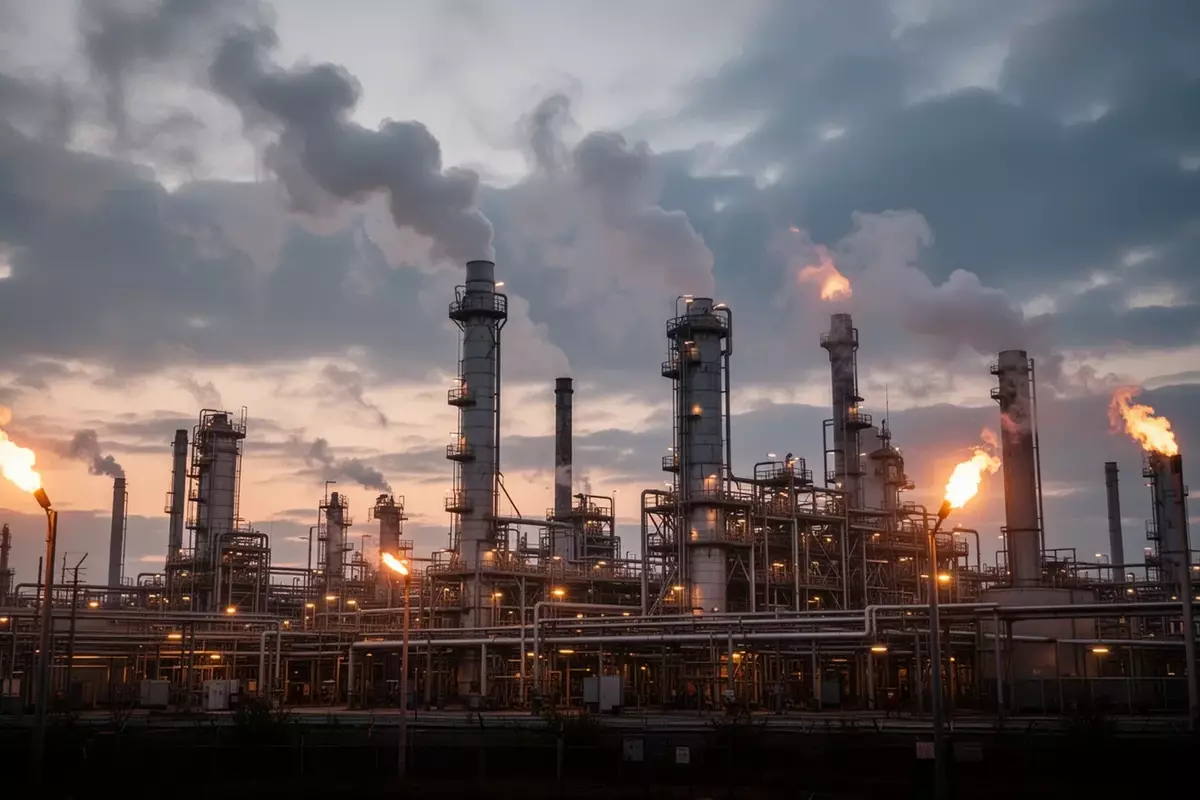
Emergency crews evacuated approximately 50,000 residents in Carson, California, following a chemical tank incident that triggered widespread safety concerns. The evacuation, which began after reports of a potential chemical leak and tank overheating, prompted local authorities to issue a shelter-in-place order for surrounding neighborhoods as hazardous materials teams assessed the risk of a rupture.
Incident Overview and Evacuation Response
The emergency response centers on a chemical storage facility where a tank reached critical temperatures, raising fears of a volatile release. According to the Los Angeles County Office of Emergency Management, the incident necessitated a multi-agency response, involving local fire departments and environmental health specialists to monitor air quality and structural stability. The evacuation order affected a significant portion of the Carson community, with officials establishing temporary shelters at local schools and community centers for those displaced by the potential threat.

Industrial safety, particularly regarding the handling of hazardous chemicals in high-density urban areas, remains a significant concern for California residents. Recent data from the U.S. Environmental Protection Agency (EPA) indicates that federal oversight of chemical facilities has undergone shifts in policy, leading to increased scrutiny of how companies report and mitigate risks associated with aging infrastructure. The incident in Carson has reignited public debate regarding the proximity of industrial sites to residential zones and the effectiveness of current emergency notification systems.
Regulatory Oversight and Public Safety
The pressure on industrial operators has intensified as oversight bodies adjust to new federal environmental mandates. While the specific cause of the tank overheating in Carson is still under investigation by the California Division of Occupational Safety and Health (Cal/OSHA), community advocates are calling for stricter enforcement of safety protocols. These protocols, governed by the Chemical Accident Prevention Provisions under the Clean Air Act, require facilities to maintain comprehensive risk management plans to prevent catastrophic releases.
The relationship between local industrial activity and state-level environmental policy is a point of contention for many California residents. According to reports from the Los Angeles Times, the state has seen a series of industrial incidents over the past year, prompting state legislators to review current zoning laws and emergency response requirements for chemical plants. For those living in the affected areas, the primary concern remains the long-term impact on air and water quality following any chemical release.
Next Steps for Affected Residents
Authorities have confirmed that air monitoring stations remain active in the perimeter of the incident site to ensure that no toxic substances have entered the atmosphere at dangerous levels. Residents are advised to monitor official communications from the City of Carson for updates regarding when it is safe to return to their homes. The site remains under observation by hazardous materials experts until the tank’s internal pressure is fully stabilized and the threat of a secondary incident is mitigated.

The investigation into the specific mechanical failure is ongoing, with a formal report expected to be presented to the Los Angeles County Board of Supervisors in the coming weeks. For further information or to register for emergency alerts, residents are encouraged to visit the official county emergency management portal. We will continue to update this report as more verified information becomes available regarding the structural integrity of the facility and the timeline for the lifting of evacuation orders.
Please share your thoughts or any local updates in the comments section below, and ensure you are following official channels for the most accurate, real-time safety guidance.