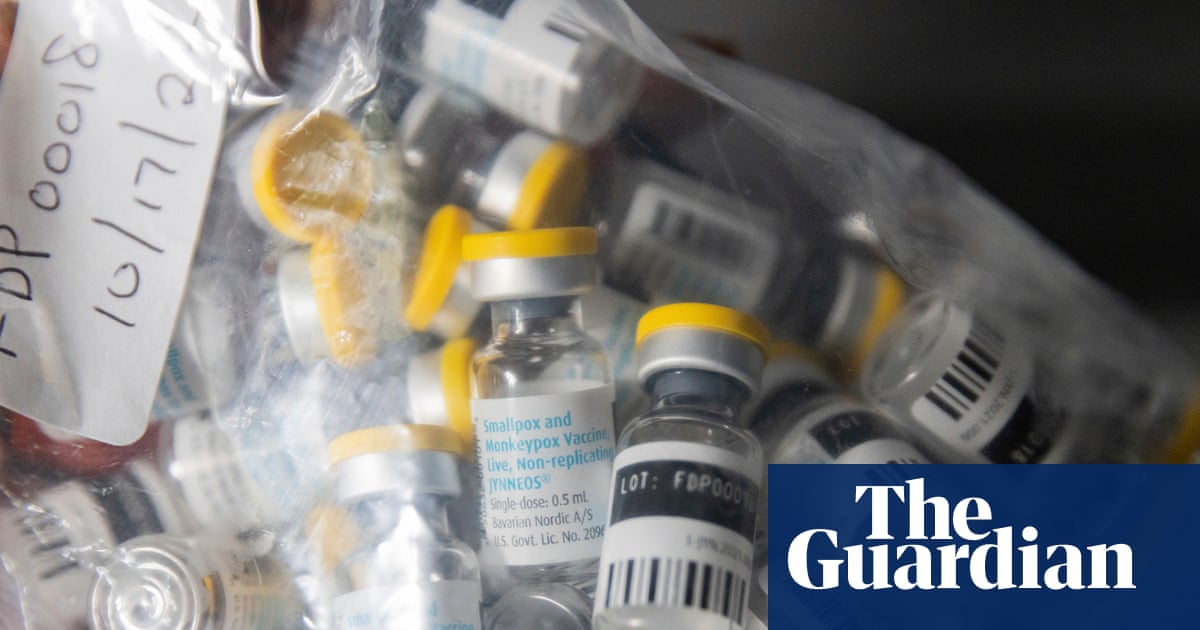
New Mpox Strain (Clade I) Emerges in the US: What You need to Know
A new strain of mpox, designated Clade I, is circulating in California and elsewhere in the US, prompting increased vigilance from public health officials. While the overall risk to the public remains low, understanding this new growth is crucial for protecting yourself and your community. This article provides a comprehensive overview of Clade I mpox,its differences from the previously dominant strain,and what you can do to stay safe.
What’s the Difference Between Clade I and Clade II?
Mpox viruses are categorized into different clades, essentially genetic branches of the virus. Here’s a breakdown:
* Clade I: Historically found in Central and East africa,especially the Democratic Republic of the Congo. It’s associated with more severe disease and a higher mortality rate in those regions.
* Clade II: The strain responsible for the 2022 global outbreak, including the initial cases in the US. It has circulated at lower levels as.
While the past severity of Clade I in Africa isn’t directly comparable to what we’re seeing in the US, experts emphasize the need for careful monitoring. “The presence of clade I needs careful evaluation,” says Dr. Seth Blumberg, an infectious disease specialist at the University of California, San Francisco.
Current Situation in the US
California’s Department of Public Health confirms person-to-person spread of Clade I is occurring, primarily within gay, bisexual men, and transgender or non-binary individuals who have sex with men. The first US case of Clade I in 2024 was detected in San Mateo County, and Long Beach recently confirmed its first case.
The centers for Disease Control and Prevention (CDC) has identified six prior US cases of Clade I, all linked to international travel. however, these new cases indicate community transmission is now happening domestically.
Who is at Risk?
While anyone can contract mpox through close physical contact, including sexual contact, certain groups are at higher risk:
* Individuals with weakened immune systems: These individuals are more likely to experience severe illness and require hospitalization.
* Men who have sex with men, transgender, and non-binary individuals: Current spread is concentrated within these communities.
* Those with multiple sexual partners: Increased risk of exposure.
symptoms of Mpox
Mpox symptoms are similar to those of smallpox, but generally milder. Look out for:
* Rash: Frequently enough starts as flat or slightly raised bumps that fill with fluid, then scab over.
* Fever
* Headache
* Muscle aches
* Swollen lymph nodes
If you develop a rash that looks suspicious, especially if accompanied by other symptoms, contact your healthcare provider promptly.
Protecting Yourself: Vaccination is Key
The good news is the Jynneos vaccine offers protection against both Clade I and Clade II mpox.
* Two-dose series: Administered one month apart.
* Full immunity: Achieved two weeks after the second dose.
* Booster: Currently, a booster is not recommended.
“The vaccines are entirely protective,” emphasizes Dr.Blumberg.”Vaccines can prevent the severity of disease. if you were to get mpox, you would be less likely to need advanced care.”
Even if you’re vaccinated, it doesn’t eliminate risk entirely, but it considerably reduces the likelihood of severe illness.
Where to Get Vaccinated
Contact your local health department or healthcare provider to find vaccination locations. You can also find information on the CDC website: https://www.cdc.gov/monkeypox/vaccines/index.html
What the CDC is Doing
The CDC is actively monitoring the situation,analyzing data,and conducting studies to understand:
* How long vaccine protection lasts.
* Weather protection decreases over time.
* How the Jynneos vaccine performs against Clade I specifically.
Staying Informed
The situation is evolving. Stay up-to-date with the latest information from these trusted
Keep reading