The Emerging Redistricting War: How States are Reshaping the 2026 Midterms
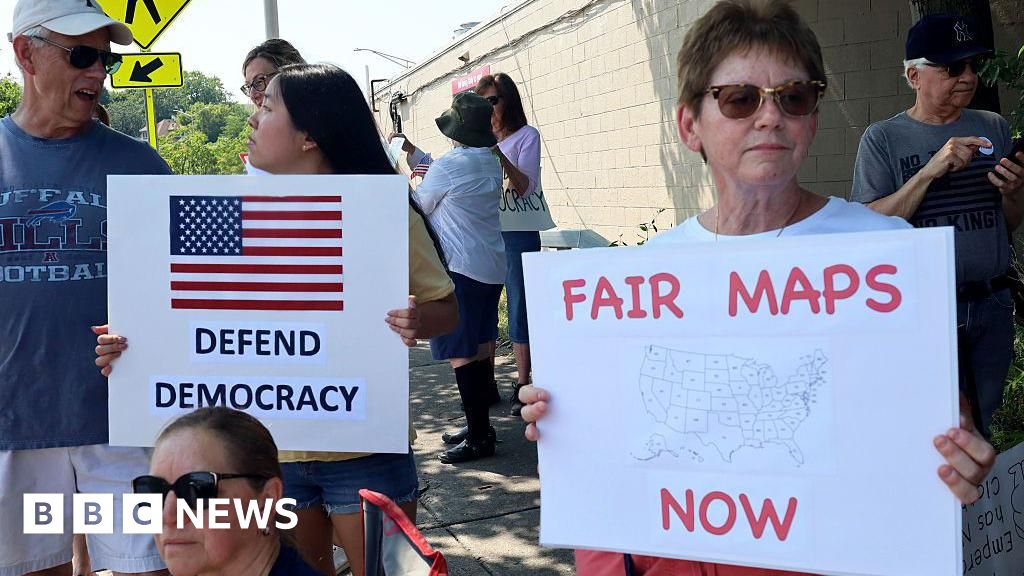
A political earthquake is rumbling across the United States. Following a recent supreme Court ruling, states are now aggressively pursuing redistricting – the redrawing of electoral maps - with the 2026 midterm elections firmly in sight. This isn’t just about lines on a map; its a high-stakes battle for control of Congress, and it’s escalating rapidly.
As a veteran observer of American politics, I’ve seen thes cycles before. But the current intensity,and the openly partisan nature of the efforts,are notably noteworthy. Here’s a breakdown of what’s happening, why it matters to you, and what to expect in the coming months.
The Spark: Texas and the Supreme Court
The current wave began with a Supreme Court decision regarding a challenge to Texas’s congressional map. While the court didn’t rule on the map’s fairness, it effectively removed a key legal obstacle, emboldening states to redraw districts. This ruling has opened the floodgates, triggering a domino effect of activity across the country.
A Nation Divided: Red vs. Blue
The response has fallen largely along party lines. States are gearing up for a fierce fight,aiming to maximize their portrayal in Washington. Republican-Led States: Indiana,Florida,and Ohio are actively exploring redistricting to bolster their Republican representation. missouri is already taking action, with a special session beginning September 3rd focused on a Kansas City-area district currently held by a Democrat. Governor Mike Kehoe has stated the goal is to align the maps with “Missouri values.”
Democratic-Led States: Illinois, New York, New Jersey, New Hampshire, and Maryland are preparing “countermeasures” to the Texas plan. California, under Governor Gavin Newsom, has pledged to “fight fire with fire” and boost Democratic chances. Though, California faces a unique challenge.
California’s Complicated Path
California’s situation is particularly interesting. A 2008 law designed to reduce partisan influence has slowed the process. Instead of a commission drawing the maps, the statehouse recently voted to put the new maps to a voter referendum in November.
This move is controversial. Voters previously approved a system relying on a non-partisan commission, raising questions about circumventing that established process.
Beyond the Headlines: Key State Developments
Here’s a closer look at what’s unfolding in other states:
Utah: A judge has ordered Utah to redraw its maps, finding that lawmakers improperly considered partisan information and incumbent protection when creating them. This is expected to benefit Democrats in Salt Lake City.
New York: New york aims to join the fight, but faces a significant hurdle: amending the state constitution. Governor Kathy Hochul has vowed to “confront Trump’s legal insurrection head-on” and “beat him at his own game.”
Smaller States: States like Delaware and Vermont, with only one seat in the House, are less directly impacted. Though, even these states could become involved as the stakes rise.
The Challenges & What It Means for You
The process isn’t uniform. Experts agree that states with unified Republican control will likely find redistricting easier.Democratic-controlled states face more legal and constitutional barriers designed to prevent partisan gerrymandering.
What does this mean for you? Your voice in Congress could be directly affected by these changes. Redistricting can:
Shift the balance of power: Altering district lines can make seats more or less competitive,impacting which party controls the House.
Influence policy debates: The composition of congress shapes the national agenda and the laws that are passed.
Impact local representation: Redistricting can change who represents your community, perhaps altering the responsiveness of your elected officials.
Looking Ahead: A Contentious Future
The next few months will be critical. Expect legal challenges, intense political maneuvering, and passionate public debate. The outcome of this redistricting battle will have a profound impact on the 2026 midterms and the future of American politics.
As this story develops, I’ll continue to provide analysis and insights. Stay informed, engage with your representatives, and remember that *your