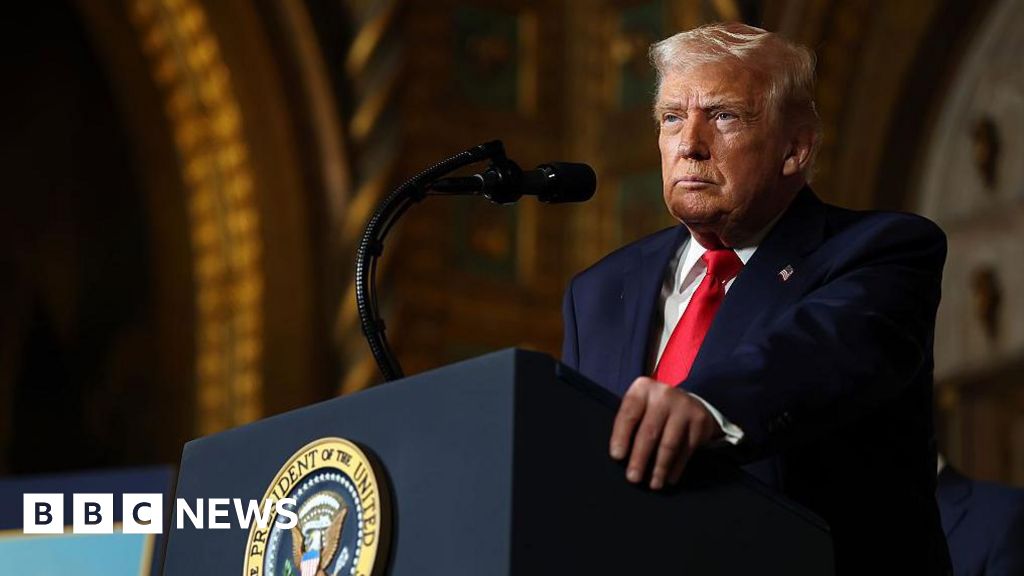
Trump’s Nigeria Intervention Proposal & The Reality of Religious Violence
Recent statements from former President Donald Trump regarding Nigeria have sparked debate and concern, centering on claims of a targeted persecution of Christians and a proposed US military intervention. Let’s break down the situation, separating rhetoric from reality, and examining the complexities of violence in the region.
Trump’s Claims & Proposed Action
Trump announced he had designated Nigeria a “Country of Particular Concern” due to an alleged “existential threat” to its Christian population, claiming “thousands” had been killed. He even reportedly ordered the US military to prepare for action within Nigeria to combat Islamist militant groups.
However, these claims lack concrete evidence. While the designation allows for potential sanctions against countries with severe religious freedom violations, the justification presented by Trump has been widely questioned. He did not initially specify which killings prompted his concern, but the narrative of a Christian genocide has gained traction in some US right-wing circles.
The Landscape of Violence in Nigeria: A Nuanced Picture
The reality on the ground is far more complex than a simple religious conflict. Nigeria faces meaningful security challenges, but attributing the violence solely to a targeting of Christians is inaccurate. Here’s a breakdown:
* Jihadist Groups: Boko Haram and Islamic State West Africa Province (ISWAP) have been active in northeastern Nigeria for over a decade, causing widespread devastation. Interestingly, data from the Armed Conflict Location & Event Data Project (ACLED) indicates most of their victims have been muslim.
* Farmer-Herder Clashes: Central Nigeria experiences frequent clashes between predominantly Muslim herders and Christian farming communities, frequently enough stemming from disputes over land, water, and grazing rights. These conflicts involve atrocities committed by both sides.
* no Disproportionate Targeting: Multiple human rights organizations confirm ther’s no evidence to suggest Christians are being killed at a higher rate than Muslims in Nigeria. The country is roughly evenly divided between the two faiths, and violence impacts both communities.
Nigerian Government Response & International cooperation
The Nigerian government, under President Bola Tinubu, has acknowledged the security challenges and expressed a willingness to collaborate with international partners, including the US. Though, they emphasize Nigeria’s sovereignty.
Daniel Bwala, an advisor to President Tinubu, stated that while Nigeria welcomes assistance in tackling jihadist insurgents, any military action must be a collaborative effort. He also stressed that the violence isn’t religiously motivated, impacting people of all faiths and none.President Tinubu himself has consistently advocated for religious tolerance and highlighted the widespread impact of insecurity.
Recent US Military Action & Context
This situation unfolded alongside a recent US military strike against Islamic State targets in syria. US Central Command (Centcom) reported striking over 70 targets, utilizing fighter jets, helicopters, and artillery, with support from Jordanian aircraft. While seemingly separate, this action underscores the US commitment to combating terrorism globally.
What Does This Mean for You?
If you’re following this story,it’s crucial to:
* Be critical of information sources. Look for reporting from reputable organizations with a track record of accuracy.
* Understand the complexities. Avoid simplistic narratives that frame the conflict solely as religious persecution.
* Recognize the importance of international cooperation. Addressing the root causes of violence requires a collaborative approach.
The situation in Nigeria is a delicate one,demanding careful consideration and a commitment to factual reporting. While concerns about religious freedom are valid, framing the conflict through a narrow lens risks exacerbating tensions and hindering effective solutions.
Resources for Further Information:
* ACLED: https://acleddata.com/
* BBC News: https://www.bbc.co.uk/news/articles/cev18jy21w7o
Keep reading
- Delta Air Lines Permanently Cancels Three Direct JFK Routes to Key US Destinations
- CJ CheilJedang Altive Protein Drinks and Low-Sugar Soy Milk Lineup
- At typically tranquil Camp David, Trump publicly lashes out at political enemies (archyworldys.com)
- Trump’s Pressure on the Fed: The Battle Over Interest Rate Cuts (archynewsy.com)