
Southern California could meet 85% of its water needs locally through aggressive investment in conservation, stormwater capture and groundwater recharge—avoiding the state’s proposed $17 billion Delta tunnel project, according to a coalition of environmental groups and water experts. Their plan, framed as a “water renaissance,” challenges California’s long-standing reliance on Northern water exports and could reshape the state’s $20 billion water infrastructure debate.
California’s water future is at a crossroads. While Governor Gavin Newsom’s administration pushes forward with the Delta Conveyance Project—a massive tunnel system designed to transport water from Northern California to Southern regions—the state faces mounting criticism from economists, environmentalists, and ratepayers who argue the project is overbudget, environmentally harmful, and financially unsustainable. A new coalition of organizations, including the California Water Impact Network (C-WIN), is now advocating for an alternative path: a radical shift toward local water self-sufficiency that could eliminate the need for the tunnel entirely.
The proposal comes as California grapples with $100 billion in deferred water infrastructure investments and a growing recognition that the state’s water system—built in the 1960s—is ill-equipped for the challenges of climate change, population growth, and environmental degradation. With Southern California’s population expected to reach 50 million by 2030, the stakes could not be higher.
Why Local Water Could Replace the Delta Tunnel
The coalition’s plan hinges on three pillars:
- Stormwater capture: Expanding urban runoff systems to capture and purify up to 1 million acre-feet annually—enough to supply 3 million households—through projects like Los Angeles’ $2.4 billion stormwater master plan.
- Groundwater recharge: Restoring aquifers through infiltration basins and managed aquifer recharge, which could add 500,000 acre-feet per year to Southern California’s supply.
- Conservation and efficiency: Upgrading aging infrastructure to eliminate 20% of current losses through leak repairs and smart metering, while incentivizing water-saving technologies.
Combined, these measures could supply 85% of Southern California’s projected needs by 2040, according to preliminary modeling cited in C-WIN’s recent testimony to the State Water Resources Control Board. The remaining 15% would come from regional transfers and desalination, reducing reliance on Northern California’s fragile Delta ecosystem.
“The Delta tunnel isn’t a solution—it’s a band-aid on a broken system. We have the tools to build resilience right where the water is needed.” —Carolee Krieger, Executive Director, California Water Impact Network
The Economic Case Against the Tunnel
The Delta Conveyance Project—officially estimated at $17 billion—has faced cost overruns of 40% or more in similar infrastructure projects across California. Critics argue the tunnel would:
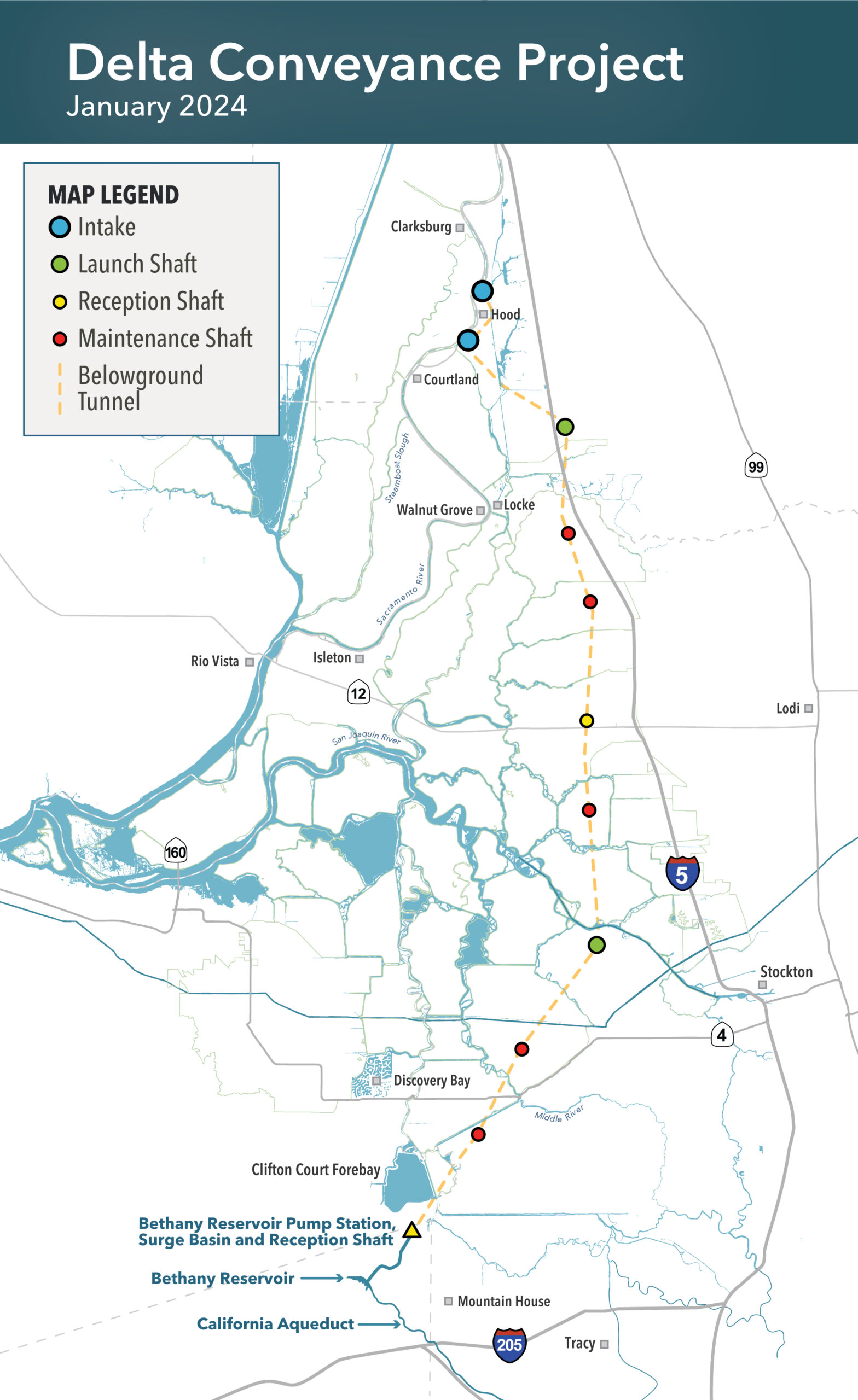
- Increase water rates by 20-30% for ratepayers, disproportionately burdening low-income households.
- Displace thousands of endangered species, including the Delta smelt and Chinook salmon, by altering flow dynamics.
- Create a $1 billion annual subsidy for agricultural exporters in the Central Valley, who would benefit from guaranteed water deliveries.
In contrast, the local water plan would generate $5 billion in annual savings by avoiding tunnel construction and operating costs, while creating 100,000 jobs in green infrastructure over the next decade. A 2025 report by the Pacific Institute found that stormwater capture alone could create $12 billion in economic benefits through reduced flooding, improved public health, and new recreational spaces.
Key Stakeholders in the Debate
- Governor Gavin Newsom (D-CA): Supports the Delta tunnel as critical to state water security, citing 2023 legislation (SB 1) that allocated $1.5 billion for project planning.
- California Water Impact Network (C-WIN): Leads the local water coalition, arguing the tunnel is a ‘privatization Trojan horse’ that would benefit corporate water exporters.
- Metropolitan Water District of Southern California: Manages water for 19 million people; has delayed tunnel funding decisions pending cost reviews.
- Environmental groups (e.g., NRDC, The Nature Conservancy): Oppose the tunnel on ecological grounds but support targeted local investments.
Political and Legal Hurdles
The local water plan faces significant obstacles. First, state water rights laws currently favor large-scale projects like the Delta tunnel, which are easier to fund through bond measures. Second, local governments lack authority to mandate regional water sharing, creating coordination challenges. Finally, the California State Water Board must approve any major shifts in water allocation, and its current leadership has signaled support for the tunnel as a “no-regrets” option.
Legal challenges are already emerging. In March 2026, the California Supreme Court ruled in Friends of the River v. State Water Resources Control Board that the board must conduct a full environmental impact review of all water projects, including local alternatives. This could force a comparative analysis between the tunnel and local solutions—a development C-WIN is actively pursuing.
What Happens Next: Key Deadlines and Actions
The next critical milestones include:
- June 15, 2026: State Water Board hearings on the Delta Conveyance Project’s revised environmental impact report. C-WIN and allied groups plan to present their local water plan as a viable alternative.
- July 2026: Expected release of the Metropolitan Water District’s 2026 Water Supply Report, which may signal a shift toward local investments if tunnel costs continue to rise.
- September 2026: California State Legislature’s special session on water infrastructure, where bills may be introduced to fast-track local water projects or block tunnel funding.
For readers tracking this story, key resources include:
- California State Water Resources Control Board (official project updates)
- Metropolitan Water District of Southern California (regional water plans)
- California Water Impact Network (local water coalition)
- Pacific Institute (independent water policy analysis)
FAQ: Southern California’s Water Future
Q: Could local water really replace the Delta tunnel?
A: Yes, but it would require unprecedented coordination. Preliminary models show that combining stormwater capture, groundwater recharge, and conservation could meet 85% of demand—but this would need $8 billion in new investments over 15 years, compared to the tunnel’s $17 billion price tag. The biggest hurdle is political will to shift from large-scale projects to decentralized solutions.
Q: Would local water be more expensive?
A: Initially, yes—but long-term costs would be lower. Stormwater projects and groundwater recharge are 30-50% cheaper per acre-foot than tunnel construction, and they create jobs locally. However, upfront costs for infrastructure upgrades would require new funding mechanisms, such as water impact fees or state grants.
Q: How would this affect agriculture?
A: Southern California’s agriculture—particularly in the Imperial and Coachella Valleys—relies heavily on Delta water. The local plan would prioritize conservation and recycled water for farms, but some growers fear reduced supplies. The state would need to implement water markets or subsidies to offset losses.
Q: What about drought resilience?
A: Local solutions are inherently more resilient. Stormwater capture and groundwater storage can buffer against dry years, while decentralized systems reduce vulnerability to single points of failure like the Delta ecosystem. The Pacific Institute estimates local systems could reduce drought-related shortages by 40%.
Q: Where can I get updates on this debate?
A: Follow CA.gov’s water page for official announcements, and monitor C-WIN’s blog for coalition developments. The Metropolitan Water District also holds regular public meetings on water supply planning.
The Bottom Line: A Watershed Moment
The debate over Southern California’s water future is more than a technical dispute—it’s a referendum on how the state values economic efficiency, environmental health, and equity. The local water plan offers a path to reducing costs, protecting ecosystems, and empowering communities, but it will require breaking from California’s tradition of large-scale, top-down water management.
As the State Water Board prepares to weigh the tunnel’s future, one thing is clear: the era of ‘build more to solve water problems’ is ending. The question is whether California will lead the charge toward a sustainable, local water renaissance—or double down on a project that may become the state’s most expensive infrastructure failure.
What do you think? Should California invest in local water solutions, or is the Delta tunnel the only viable path forward? Share your perspective in the comments below, and follow World Today Journal for ongoing coverage of this critical water debate.
Related reading