Activision Faced Internal Resistance Over Proposed ‘Call of Duty’ Game Depicting Iran-Israel Conflict
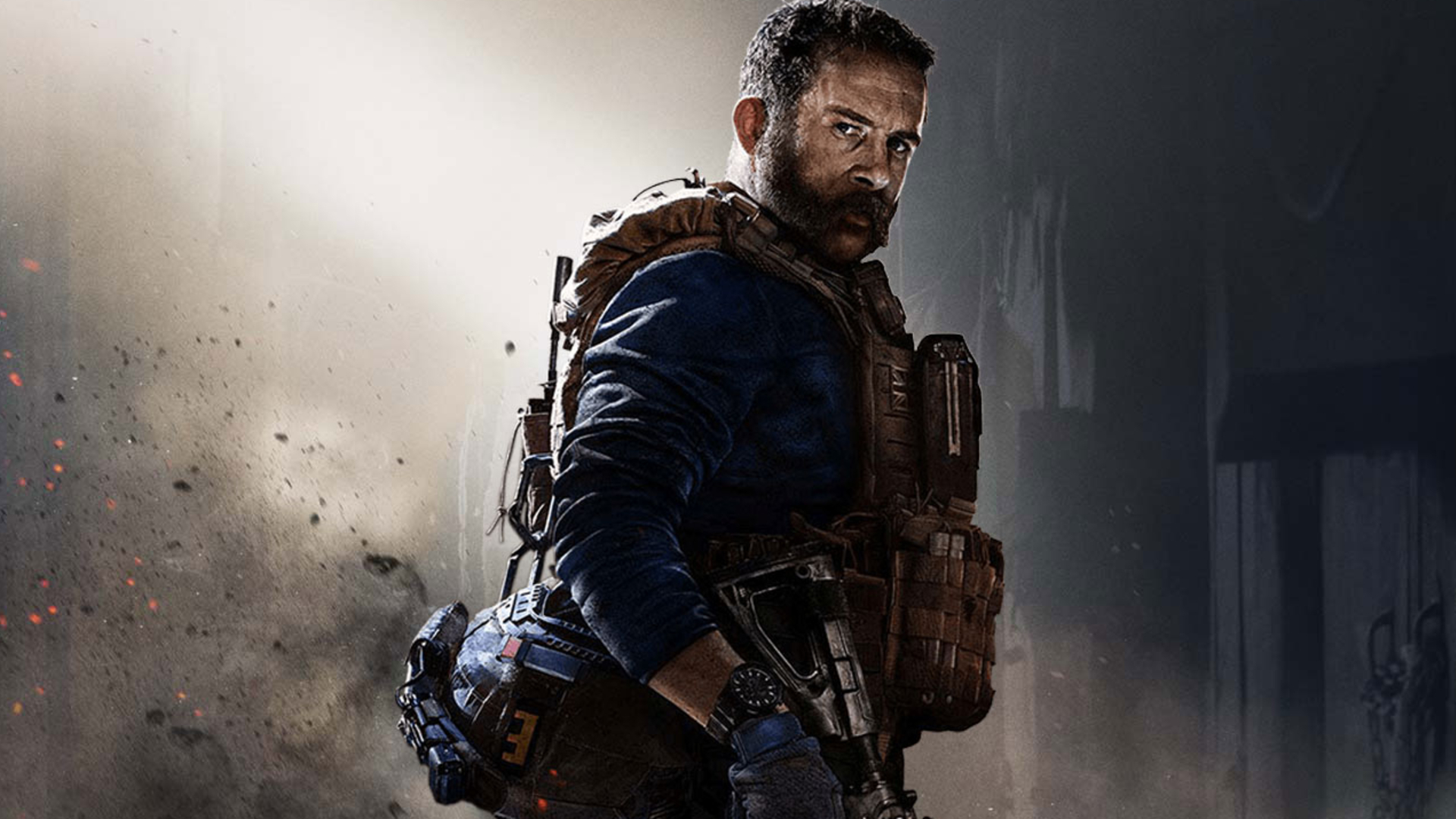
As the United States and Israel continue military operations in Iran and Lebanon, the White House has drawn criticism for sharing video game-inspired content on social media, including footage from the Call of Duty franchise overlaid with military imagery. This move, viewed by some as a form of propaganda, has resurfaced allegations that Activision, the parent company of Call of Duty developer Infinity Ward, previously attempted to steer the game series toward politically charged narratives. Specifically, former developers claim Activision pushed for a scenario involving an Iranian attack on Israel, a concept met with resistance within the studio.
Chance Glasco, a founding member of Infinity Ward, recently revealed that following Activision’s acquisition of the studio after the departure of Jason West and Vince Zampella to form Respawn Entertainment, there was a concerted effort to develop a Call of Duty title centered around a conflict between Iran and Israel. Glasco, who served as an animator on the franchise until 2013 with Call of Duty: Ghosts, shared his recollection in response to a post from the official White House account on X (formerly Twitter) showcasing Call of Duty footage alongside updates on ongoing military actions. “This doesn’t surprise me,” Glasco wrote. “I remember after Activision took over post-Respawn formation, there was a very awkward pressure from Activision for us to make the next Call of Duty about Iran attacking Israel. Luckily, the vast majority of our developers were disgusted by the idea, and it got shot down.”
This doesn’t surprise me. I remember after Activision took over post-Respawn formation, there was a very awkward pressure from Activision for us to make the next CoD about Iran attacking Israel. Fortunately, the vast majority of our developers were disgusted by the idea and were shot down. https://t.co/taTIsQUklI
— Chance Glasco 🔜 Gamescom Latam (@ChanceGlasco) March 4, 2026
The Fallout from Infinity Ward’s Founding
The push for a politically sensitive narrative reportedly occurred around 2010, shortly after the acrimonious split between Infinity Ward’s co-founders, Jason West and Vince Zampella, and Activision. The dispute stemmed from disagreements over financial compensation, specifically unpaid bonuses, leading to the formation of Respawn Entertainment. Gamespot reported on the details of the conflict, highlighting the legal battles and the subsequent impact on the Call of Duty franchise.
Glasco further elaborated on the internal resistance to the proposed storyline, stating that the majority of developers at Infinity Ward found the concept distasteful. He explained in a Reddit post that Activision had connections to high-ranking government entities and suggested that the pressure to create the game may have originated from those connections. However, he acknowledged that there was no definitive proof of direct coercion, stating, “I’m not saying there’s irrefutable evidence that Activision forced these producers to pressure us into depicting a scenario where Iran attacks Israel. But I stand by what I said.”
Concerns Over Geopolitical Themes in Gaming
Glasco’s comments raise broader questions about the intersection of video games and geopolitical narratives. He expressed concern that developing a game based on a hypothetical conflict could inadvertently lend support to real-world military interventions. “I didn’t want to develop a game that could generate public support for a war that our politicians have long desired and encouraged,” Glasco stated. “I wanted the public to know that the government will apply every means of entertainment and media to normalize wars that the public rejects.” This sentiment reflects a growing awareness within the gaming industry and among players regarding the potential for games to influence public opinion and shape perceptions of international conflicts.
The debate extends to previous controversies surrounding the Call of Duty franchise, such as the “No Russian” mission in Call of Duty: Modern Warfare 2, which depicted a mass shooting at an airport. The mission sparked widespread criticism for its graphic violence and its potential to desensitize players to real-world atrocities. Glasco’s comments suggest a broader pattern of resistance within Infinity Ward to incorporating sensitive and potentially inflammatory themes into the game series.
Activision and Jeffrey Epstein: A Troubling Connection
Adding another layer of complexity to the situation, Glasco also recalled that Bobby Kotick, then-CEO of Activision, had close ties to Jeffrey Epstein, the convicted sex offender. Reports indicate that Kotick appeared over 300 times in the “Epstein files” released by the U.S. Government. TechSpot highlighted this connection, noting that Kotick’s methods of “indoctrinating children into the economy” through virtual rewards in Activision games were of interest to Epstein’s inner circle. While Epstein has been accused of being an agent of Mossad, and a connection to the proposed Iran-Israel game scenario might be tempting to draw, the Epstein files do not contain any discussions of this nature with Activision executives.
The relationship between Kotick and Epstein raises ethical concerns about Activision’s leadership and its potential susceptibility to external influences. It also underscores the importance of scrutinizing the connections between powerful corporations and individuals with questionable backgrounds. Kotick stepped down as CEO of Activision Blizzard in December 2023 following a tumultuous period marked by allegations of workplace misconduct and a proposed acquisition by Microsoft, which was finalized in October 2023.
The Current Landscape: Military Propaganda and Video Games
The recent actions by the White House, utilizing Call of Duty footage to promote military operations, have reignited the debate about the use of video games as tools for propaganda. Critics argue that such practices blur the lines between entertainment and real-world conflict, potentially normalizing violence and desensitizing the public to the human cost of war. The use of gaming aesthetics to glorify military actions raises concerns about the manipulation of public perception and the potential for the gamification of warfare.
The incident also highlights the growing influence of the video game industry as a cultural and economic force. With a global audience of billions, video games have become a powerful medium for storytelling and shaping narratives. As such, they are increasingly subject to scrutiny and debate regarding their social and political implications. The Call of Duty franchise, in particular, has long been a subject of controversy due to its realistic depictions of warfare and its potential to influence perceptions of military conflicts.
The allegations surrounding Activision’s attempt to develop a Call of Duty game centered on an Iran-Israel conflict serve as a stark reminder of the potential for political agendas to influence the creative process within the gaming industry. While the proposed game was ultimately rejected by the developers, the incident raises important questions about the ethical responsibilities of game developers and the need for greater transparency regarding the relationships between corporations and government entities. The ongoing debate about the use of video games as tools for propaganda underscores the importance of critical media literacy and the need for consumers to be aware of the potential biases and agendas that may be embedded within the games they play.
Looking ahead, the Microsoft acquisition of Activision Blizzard is expected to close in the coming months, pending regulatory approval. The acquisition could have significant implications for the future of the Call of Duty franchise and the broader gaming industry. It remains to be seen whether Microsoft will adopt a different approach to content creation and political messaging than Activision did in the past. The Federal Trade Commission (FTC) is currently reviewing the acquisition to ensure it does not violate antitrust laws. A final decision is expected by July 2024.
The conversation surrounding the intersection of gaming, politics, and propaganda is likely to continue as the industry evolves and its influence grows. Readers are encouraged to share their thoughts and perspectives on this important issue in the comments below.