
The integration of generative artificial intelligence into the creative pipeline of game development has become one of the most polarizing debates in the interactive entertainment industry. While some studios are racing to automate asset creation and dialogue, others are adopting a more cautious, human-centric approach to preserve the artistic integrity of their narratives.
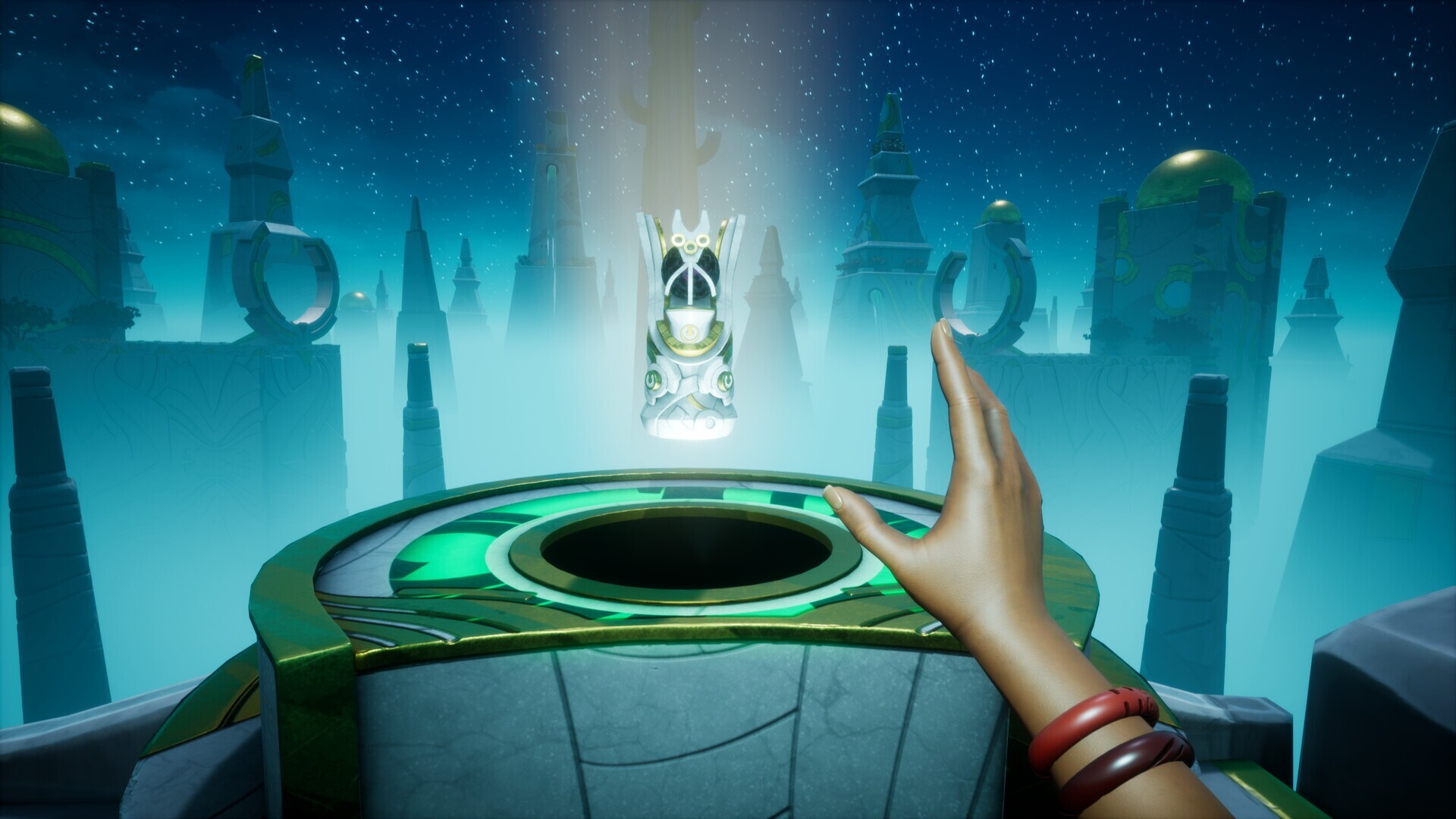
Out of the Blue Games, the Spanish indie studio known for the atmospheric puzzle-adventure Call of the Sea
, has recently clarified its stance on this technological shift. The developers view artificial intelligence as a useful tool
for internal efficiency, but they have drawn a firm line against using it for the final content delivered to players.
This distinction highlights a growing trend among narrative-driven developers who distinguish between process and product. By utilizing AI to streamline the “invisible” parts of development—such as organizing data or brainstorming early concepts—studios can reduce burnout and production timelines without sacrificing the human touch that defines a game’s emotional resonance.
For a studio like Out of the Blue, which specializes in high-production value narrative experiences, the risk of AI-generated content is not just a matter of quality, but of authenticity. The studio’s philosophy suggests that while a machine can optimize a workflow, it cannot replicate the intentionality required to craft a poignant mystery.
The Boundary Between Utility and Creativity
The developers’ perspective centers on the idea that AI should support the creator, not replace the creation. In the context of modern game development, a useful tool
often refers to AI’s ability to handle repetitive tasks, such as automating certain coding functions, generating placeholder assets for rapid prototyping, or analyzing large sets of player feedback.
However, the studio has expressed a clear refusal to use AI for everything we send out to the players
. This a direct response to the trend of AI-generated dialogue, quest text, and voice acting, which has faced significant backlash from gaming communities who value cohesive, authored storytelling.
This approach aligns with the broader ethical concerns currently facing the industry. Many developers fear that over-reliance on generative AI leads to a homogenized
style of game design, where the unique “voice” of a studio is drowned out by the statistical averages of a Large Language Model (LLM).
Why Human-Authored Content Matters in Narrative Games
In games like Call of the Sea
, the experience is built on subtle environmental storytelling and a carefully paced mystery. The emotional weight of the story depends on the precision of the writing and the intentionality of the puzzle design. When content is generated by AI, several critical elements are often lost:
- Emotional Nuance: AI often struggles with subtext and the “unsaid,” which are vital for building tension in a mystery.
- Cohesive Vision: A human director ensures that every clue and character beat serves a specific thematic purpose.
- Artistic Intent: The specific “feel” of a world—such as the 1930s South Pacific setting of
Call of the Sea
—requires historical research and creative interpretation that AI cannot authentically perform.
The Broader Industry Context
Out of the Blue’s stance is not an isolated one. Across the indie and AAA landscapes, there is a widening gap between studios pursuing “AI-first” development and those maintaining a “Human-in-the-loop” (HITL) system. The latter approach ensures that no piece of content reaches the player without being reviewed, edited, and approved by a human creator.
This caution is partly driven by the legal ambiguity surrounding AI training data. As copyright lawsuits continue to challenge how generative models are trained on existing art and text, studios are increasingly wary of integrating AI-generated assets into their commercial products to avoid potential intellectual property disputes.
the gaming community has shown a strong preference for transparency. Recent trends indicate that players are more likely to support developers who are open about their use of AI, particularly when that use is limited to backend optimization rather than the core creative output.
Comparing AI Implementation Strategies
| Approach | Primary Use Case | Impact on Final Product |
|---|---|---|
| Backend Utility | Coding assistance, bug detection, data organization. | Invisible to the player; improves stability and release speed. |
| Hybrid Creation | AI-generated drafts refined by human writers/artists. | Human-polished; maintains quality but increases speed. |
| Generative Output | AI-driven dialogue, procedural quests, AI voice-overs. | Directly visible/audible; risks loss of narrative cohesion. |
What This Means for the Future of Indie Gaming
As the cost of development rises, the temptation to automate creative processes will only increase. However, the stance taken by the developers of Call of the Sea
suggests that for the “boutique” indie experience, the human element is the primary value proposition. The “soul” of a game—its specific quirks, its intentional mistakes, and its emotional peaks—is something that cannot be computed.
The industry is likely moving toward a standardized “AI Disclosure” model, where studios explicitly state which parts of their game were assisted by AI. By positioning AI as a tool for the developer rather than a replacement for the artist, studios can reap the efficiency gains of the technology without alienating their audience or compromising their artistic vision.
For players, this means that the distinction between “AI-assisted” and “AI-generated” will become a key metric in evaluating the quality and authenticity of narrative experiences. The commitment to retain AI out of the final player-facing content is a signal that the studio prioritizes the player’s emotional journey over the convenience of automation.
As the industry continues to evolve, the benchmark for success will likely remain the ability to evoke genuine human emotion—a feat that, for now, remains exclusively the domain of human creators.
While Notice no scheduled public hearings on AI in gaming, the industry continues to monitor the evolving legal landscape regarding copyright and generative tools. Further updates on studio policies typically emerge during major industry events such as the Game Developers Conference (GDC) or Gamescom.
We seek to hear from you: Do you believe AI-generated dialogue enhances or detracts from the gaming experience? Share your thoughts in the comments below.