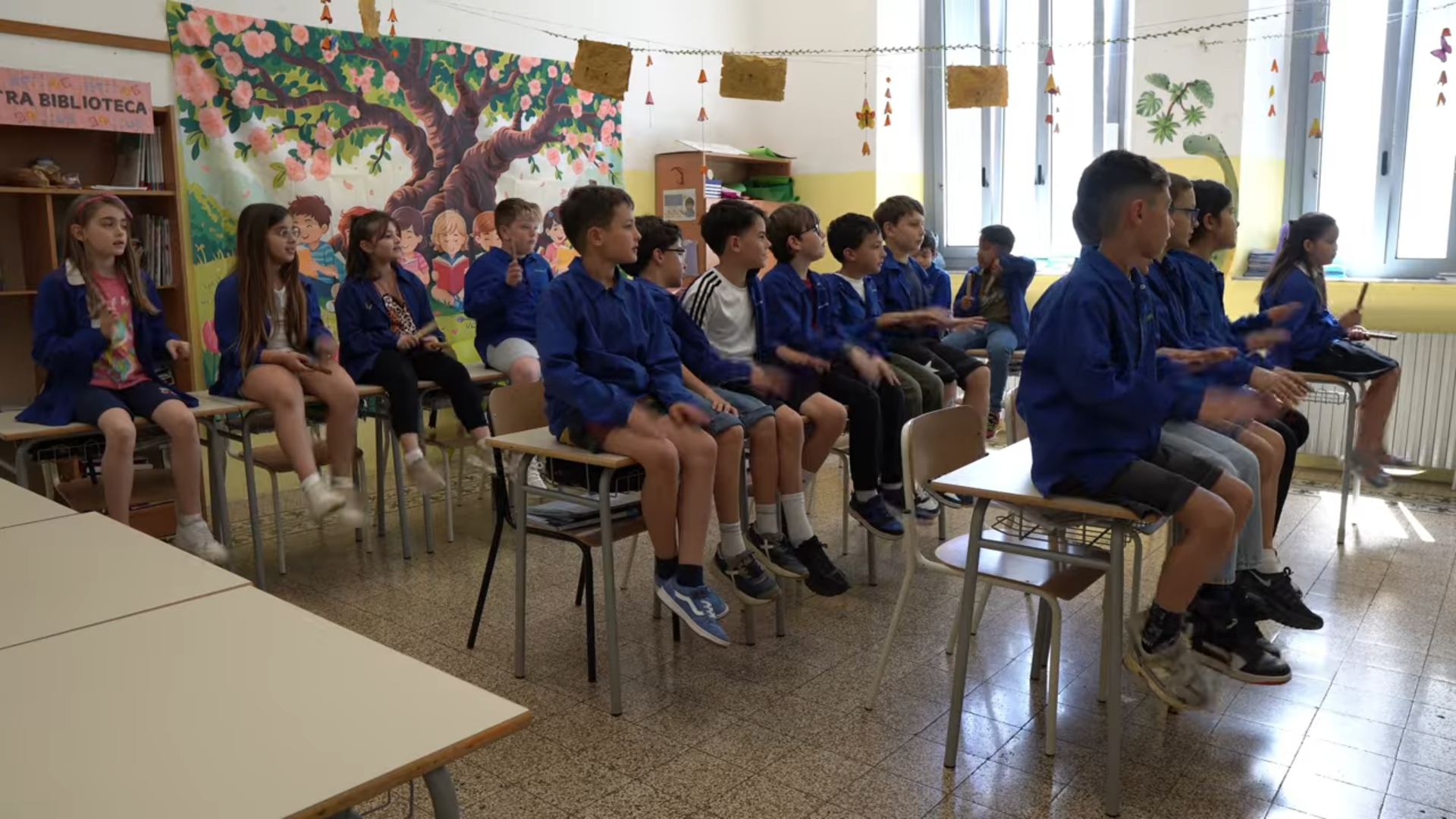
Students at IC Follonica 1 in Tuscany have integrated cinematic language into their academic curriculum through the “Progetto Cinema,” an initiative designed to bridge the gap between traditional schooling and visual storytelling. The program focuses on utilizing film as a pedagogical tool to increase student engagement and modernize the educational offering at the institution.
The project aims to move beyond passive viewing, instead teaching students how to analyze and create cinematic content. By embedding film studies into the formal educational path, the school seeks to provide students with the technical and critical tools necessary to navigate a media-saturated environment. This approach aligns with broader European educational trends that emphasize digital literacy and multidisciplinary learning.
According to the school’s project documentation, the primary goal is to make the educational experience more accessible and appealing to students by using a language they already consume daily. The initiative encourages students to transition from being mere consumers of media to becoming active producers and critical thinkers.
How the Progetto Cinema transforms student learning
The “Progetto Cinema” operates by treating the camera and the editing suite as instruments of expression similar to the pen and paper. Students explore the mechanics of storytelling, including scriptwriting, cinematography, and sound design. This hands-on experience is designed to reinforce core academic competencies, such as narrative structure in literature and historical context in social studies, through the lens of cinema.

The program’s methodology emphasizes the “language of cinema,” which involves understanding how visual choices—such as framing, lighting, and pacing—convey meaning and emotion. By analyzing these elements, students develop a higher level of cognitive processing and critical analysis, which can be applied across various subjects in their general studies.
The integration of these tools into the school’s educational offer allows for a more inclusive classroom environment. Students who may struggle with traditional text-based learning often find a point of entry through visual media, allowing them to demonstrate their understanding of complex topics through short films or video essays.
The impact on the IC Follonica 1 community
By implementing the Progetto Cinema, IC Follonica 1 has created a collaborative space where students work in production teams. This structure mirrors professional film environments, requiring students to negotiate roles, manage deadlines, and coordinate technical tasks. These soft skills are a secondary but vital outcome of the program, fostering teamwork and leadership among the youth in Follonica.

The initiative also serves as a cultural bridge, introducing students to a wide array of cinematic styles and international films. This exposure expands their cultural horizons and encourages a more global perspective, which is a key objective for institutions operating under the Italian Ministry of Education and Formation (MIUR) guidelines for cultural enrichment.
The school utilizes the project to showcase student work, often culminating in screenings that allow the community to see the tangible results of the educational process. These events validate the students’ efforts and provide a public platform for their creative expression, strengthening the bond between the school and the local community.
Why cinematic literacy matters in modern education
Cinematic literacy is increasingly viewed as a necessary component of 21st-century education. In an era of short-form video and social media, the ability to decode visual information is as critical as reading and writing. The Progetto Cinema addresses this need by teaching students to identify bias, understand manipulation in editing, and appreciate the art of visual communication.
The shift toward visual storytelling in schools reflects a global movement to modernize pedagogy. By incorporating cinema, educators can tackle complex social issues, historical events, and philosophical questions in a way that resonates with a digital-native generation. This method transforms the classroom into a laboratory for experimentation and critical inquiry.

Furthermore, the project provides a foundation for students interested in pursuing careers in the creative industries. While not every student will become a professional filmmaker, the skills acquired—such as digital editing and visual composition—are highly transferable to marketing, communications, and other professional fields.
The next phase of the program involves the continued expansion of the cinematic language within the school’s broader educational plan, with further student showcases scheduled throughout the academic year. Readers can follow official school communications for updates on upcoming screenings and project milestones.
Share your thoughts on the integration of film in schools in the comments below or share this article on social media to join the conversation on modern education.