Duanhua School in Phnom Penh, Cambodia, has served as a central pillar of Chinese-language education for over a century, recently drawing renewed attention for its role in bridging cultural and generational gaps within the local Chinese-Cambodian community. Established in the early 20th century, the institution remains one of the most prominent centers for academic and cultural exchange in the region, functioning as a vital link for families looking to preserve their heritage.
The school’s enduring influence is frequently highlighted through the personal narratives of its students and alumni, who often describe the institution as a bridge between their ancestral roots and their contemporary lives in Cambodia. The recent cultural resonance of themes involving familial connection—often compared in local discourse to the emotional depth found in literary works like “Letters to Grandma”—reflects the school’s mission: to ensure that the traditions and language of the diaspora remain a living, breathing part of the students’ daily experience rather than mere history.
A Century of Educational Heritage
Duanhua School, operated under the auspices of the Teochew Association of Cambodia, has evolved from a modest community initiative into a large-scale educational complex. According to historical records maintained by the association, the school was founded to provide essential literacy in both Chinese and Khmer, facilitating both social integration and the preservation of cultural identity for the local community. The institution currently enrolls thousands of students, ranging from kindergarten to secondary levels, and is recognized for its rigorous curriculum that balances traditional language studies with modern academic subjects.

The school’s longevity is tied to the resilience of the Teochew community in Cambodia. Throughout the 20th century, the institution faced significant disruptions due to regional instability, yet it successfully resumed operations in the early 1990s as the country entered a period of reconstruction. Today, it stands as a testament to the commitment of local stakeholders to maintain a bilingual educational environment that prepares students for both the regional job market and continued studies abroad.
Cultural Preservation and Modern Integration
Beyond classroom instruction, Duanhua School functions as a cultural hub. The “Letters to Grandma” narrative, which has permeated local media reports, underscores the emotional significance of the school for the younger generation. By teaching students to read and write in Chinese, the school enables them to communicate directly with their elders, fostering a sense of continuity that many families view as essential to their identity.
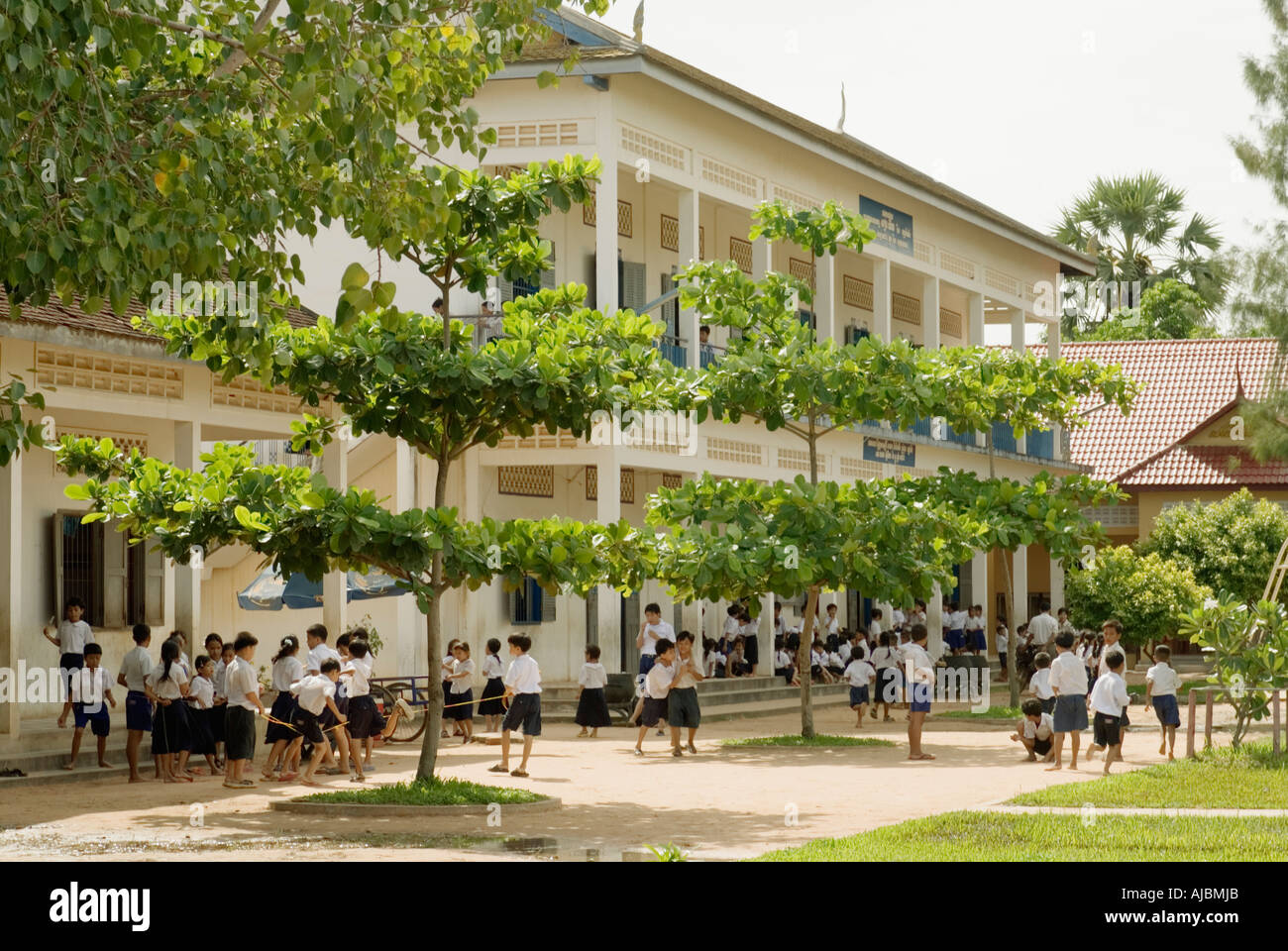
This intergenerational connection is a primary objective for the school’s administration. By hosting cultural festivals, calligraphy workshops, and oratorical contests, the institution provides students with practical applications for their language skills. These activities are designed to move language learning out of the textbook and into the home, reinforcing the bond between grandchildren and their grandparents—a relationship that is often cited as a cornerstone of the Chinese-Cambodian social fabric.
Impact on the Regional Educational Landscape
The success of Duanhua School has made it a focal point for international educational cooperation. The school has established formal partnerships with various Chinese universities and educational institutions, which provide teaching staff, curriculum resources, and scholarship opportunities for high-performing students. According to information provided by the Embassy of the People’s Republic of China in the Kingdom of Cambodia, these exchanges are part of a broader effort to strengthen educational ties between the two nations.
For the students, these partnerships represent tangible opportunities. Many graduates go on to pursue higher education in China or leverage their bilingual proficiency to secure positions within the growing number of Chinese-owned enterprises operating in Phnom Penh. The school’s ability to adapt its curriculum to meet these modern economic demands while maintaining its core mission of cultural heritage is widely considered the key to its continued relevance.
Future Developments and Community Engagement
The administration of Duanhua School continues to focus on infrastructure expansion and faculty training to accommodate the rising demand for quality bilingual education. Recent reports from the Teochew Association of Cambodia indicate that the school remains committed to upgrading its digital facilities to support modern pedagogical methods. The institution’s next major milestone will likely involve the expansion of its vocational training programs, which aim to align student skills with the evolving needs of Cambodia’s service and manufacturing sectors.

As the school enters its second century of operation, its role as a cultural and educational anchor appears secure. The ongoing dialogue surrounding the importance of heritage education suggests that the institution will continue to influence not only the academic success of its students but also the strength of the familial bonds that define the Chinese-Cambodian experience. Readers interested in the latest updates regarding the school’s academic calendar or enrollment procedures are encouraged to consult the official notices published periodically by the Teochew Association of Cambodia.
We invite our readers to share their thoughts or personal experiences with cultural education in the comments section below.
Related reading