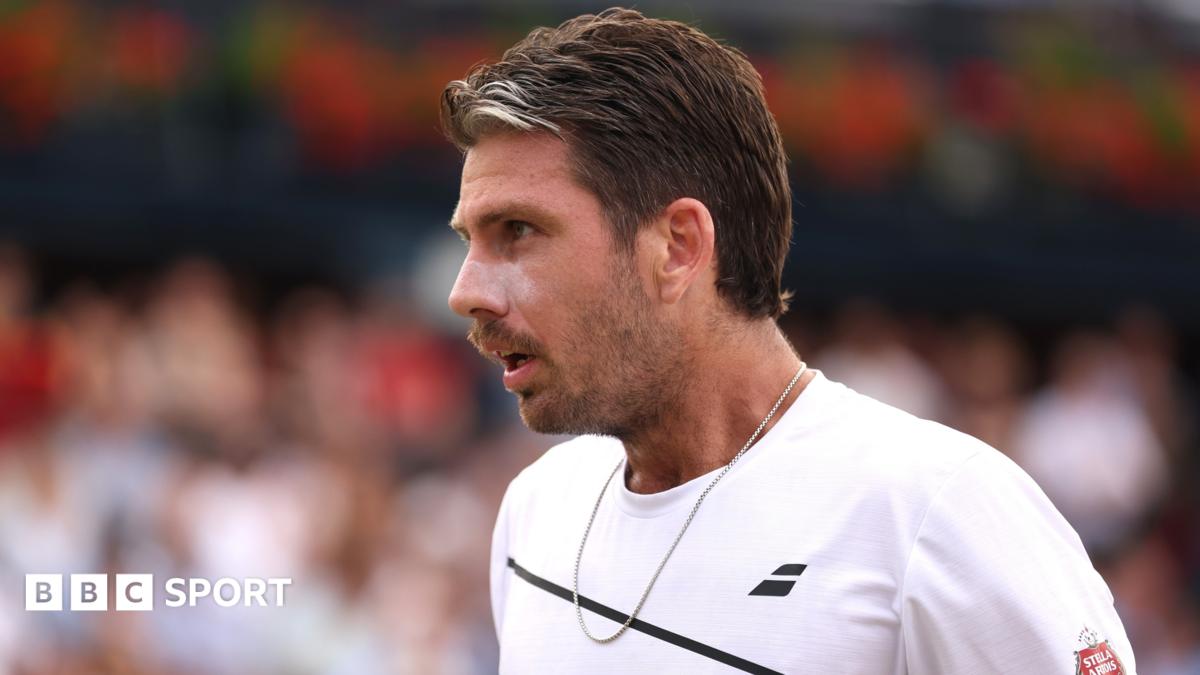
Cameron Norrie lost his opening singles match at the Queen’s Club Championships to Alejandro Davidovich Fokina, marking his return to competitive tennis following a rib injury sustained in May. The defeat serves as a significant hurdle for the Briton as he attempts to regain match fitness ahead of the grass-court season and the upcoming Wimbledon championships.
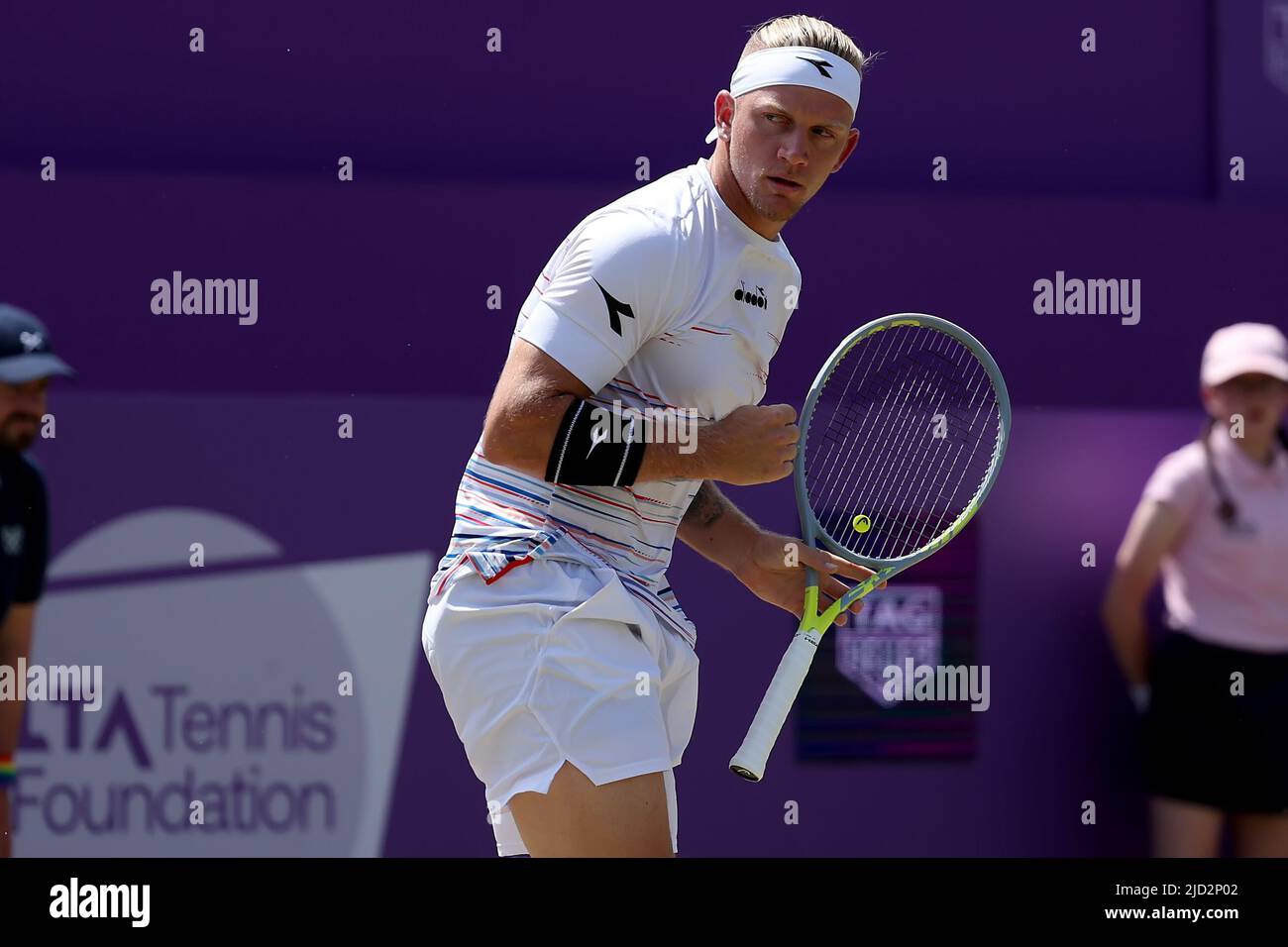
The match at the Cinch Championships, commonly referred to as Queen’s, represented Norrie’s first attempt at a singles victory since his mid-season medical hiatus. According to tournament reports, the Spaniard, Alejandro Davidovich Fokina, utilized his aggressive baseline play to overcome the British player, who appeared to be working through the physical limitations of his recent injury.
How did the match between Cameron Norrie and Alejandro Davidovich Fokina unfold?
While the specific set scores reflected the difficulty of the return, the contest was defined by the contrast in rhythm between the two players. Davidovich Fokina, known for his high-intensity movement and variety, was able to exploit the timing issues often associated with players returning from prolonged absences. Norrie, who relies heavily on exceptional conditioning and consistent depth, struggled to find the same level of physical stability that has characterized his recent seasons on the ATP Tour.
Observers noted that the grass surface, which rewards low-bouncing shots and quick lateral movement, presented an additional challenge for Norrie. Given that his rib injury likely affects his rotational power and ability to absorb impact during sudden changes in direction, the slick conditions at Queen’s made it difficult to execute his signature defensive patterns. Davidovich Fokina maintained control of the rallies, preventing the Briton from establishing the long, grinding exchanges that typically wear down his opponents.
The result marks a setback for Norrie, who has been working to climb back into the upper echelons of the ATP rankings. For Davidovich Fokina, the victory reinforces his status as a dangerous competitor on faster surfaces, providing momentum as the tour transitions into the most critical stretch of the summer.
What impact did the rib injury have on Norrie’s performance?
The rib injury Norrie suffered in May has been a central factor in his recent scheduling and preparation. In professional tennis, rib injuries are particularly disruptive because the sport requires extreme thoracic rotation for both serves and groundstrokes. According to sports medicine specialists, any impairment in the intercostal muscles or the rib cage can significantly diminish a player’s ability to generate torque, which is essential for high-velocity hitting.

For a player like Norrie, whose game is built on relentless consistency and heavy top-spin, the inability to fully rotate the torso can lead to several issues:
- Reduced Serve Velocity: A lack of core stability prevents the efficient transfer of energy from the legs through the torso to the racket.
- Compromised Groundstrokes: The ability to whip the racket through the hitting zone is curtailed, leading to shorter, less effective shots.
- Limited Lateral Mobility: Core strength is vital for stabilizing the body during the rapid deceleration and acceleration required on grass.
The decision to enter the Queen’s Club tournament indicates a desire to test these physical limits in a controlled, professional environment. However, the loss suggests that the physiological recovery from a rib injury requires more than just the absence of pain; it requires the restoration of full functional movement under match pressure.
Why is the Queen’s Club tournament critical for grass-court preparation?
The Cinch Championships at Queen’s Club serves as one of the most important warm-up events on the ATP calendar before Wimbledon. The tournament offers players a vital opportunity to adapt to the unique characteristics of grass, which differs significantly from the clay and hard courts used during the spring. Success at Queen’s often serves as a barometer for how players will perform at the All England Club.
Grass-court tennis demands a specific skill set that players must refine during this window. Key elements include:
Low Bouncing Rallies: Unlike clay, where the ball rises and stays in the hitting zone, grass causes the ball to skid. This requires players to stay lower to the ground and react more quickly to low-trajectory shots.
Slice and Net Play: The effectiveness of the backhand slice is amplified on grass, making it a primary tool for disrupting an opponent’s rhythm. Players often use the slice to keep the ball low, forcing opponents to hit upward.
Service Dominance: The speed of the surface allows for more effective aces and unreturnable serves, placing a premium on service precision and variety.
For Norrie, the Queen’s tournament was intended to be a laboratory for these adjustments. Instead, the match against Davidovich Fokina highlighted the gap between training on other surfaces and the specific physical demands of grass-court competition.
What are the next steps for Cameron Norrie?
Following this defeat, Norrie’s primary objective will be to manage his physical workload to ensure he is sufficiently prepared for Wimbledon. The focus will likely shift toward specialized training sessions that prioritize core stability and rotational strength without exacerbating the rib injury. His coaching team will need to balance the need for match intensity with the necessity of injury prevention.
The timeline for Norrie’s recovery remains the most watched variable in British tennis. If he can find a way to integrate his movement patterns back into his game during the final weeks of preparation, he remains a competitive threat. However, if the rib issue persists, it may limit his ability to compete in the high-intensity matches required to advance deep into a Grand Slam draw.
As the ATP tour moves toward the grass-court season’s peak, the performance of players returning from injury will be a major storyline. Norrie’s ability to navigate this transition will determine whether he can reclaim his position as a top-tier contender on the world stage.
Key Match and Injury Context
| Detail | Information |
|---|---|
| Event | Queen’s Club Championships (Cinch Championships) |
| Match Outcome | Alejandro Davidovich Fokina defeated Cameron Norrie |
| Player Condition | Return from rib injury sustained in May |
| Surface | Grass |
| Primary Goal | Wimbledon preparation |
The next major checkpoint for Cameron Norrie will be his upcoming scheduled practice sessions and any subsequent tournament entries as he finalizes his preparation for Wimbledon. We will continue to monitor official ATP updates regarding his fitness and scheduling.
What are your thoughts on Norrie’s chances at Wimbledon following this return? Share your analysis in the comments below and share this article with your fellow tennis fans.