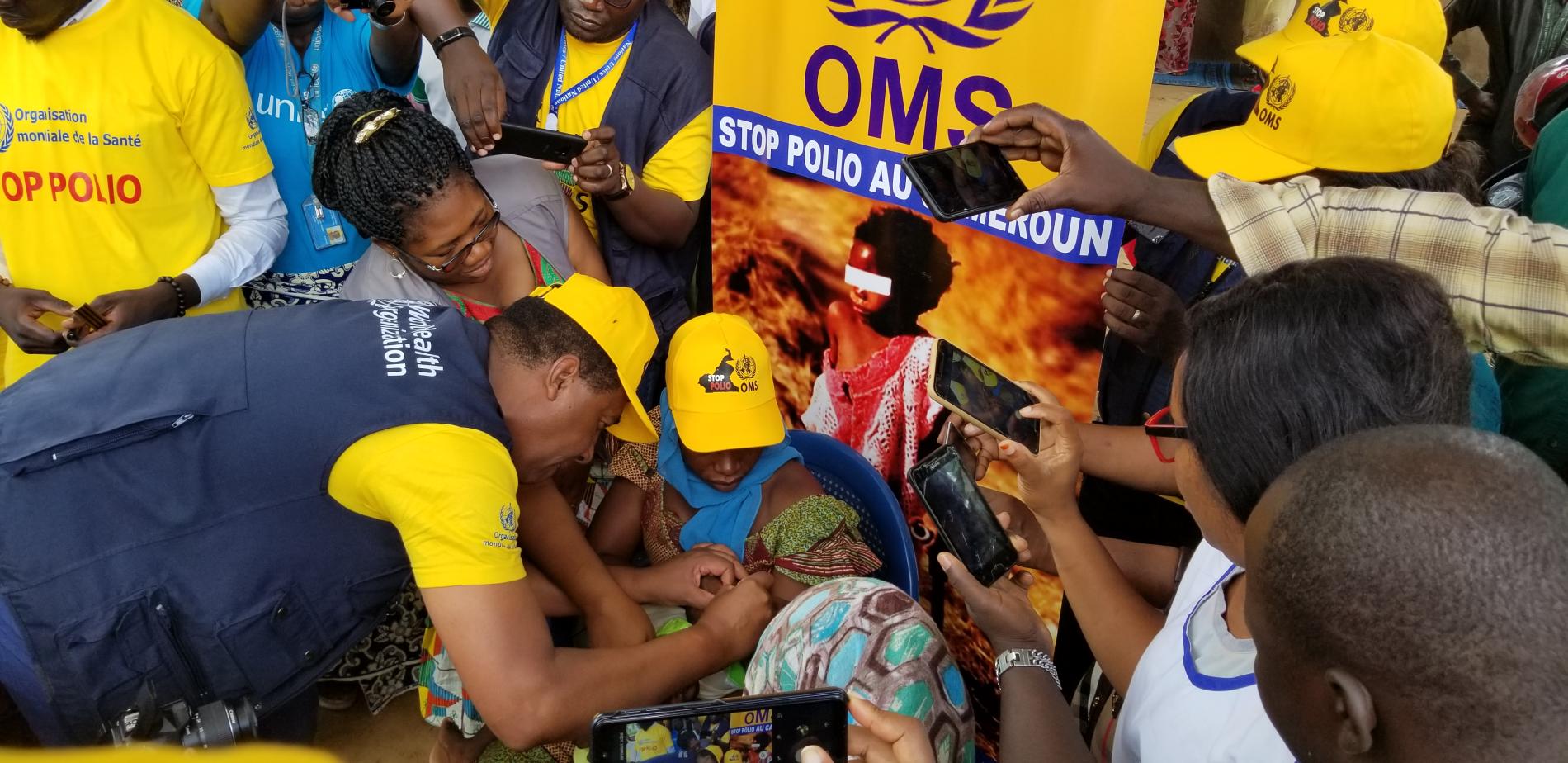
Cameroon has launched a comprehensive nationwide vaccination campaign against poliomyelitis, with a specific focus on the Far North region, to bolster immunity among children and prevent the resurgence of the virus. The Ministry of Public Health is coordinating the effort, which utilizes the novel oral polio vaccine type 2 (nOPV2) to target children under the age of five, according to official statements from the health authorities.
This initiative follows persistent concerns regarding vaccine-derived poliovirus in the Lake Chad basin, a region that spans parts of Cameroon, Nigeria, Chad, and Niger. Public health officials are emphasizing that reaching every child, particularly in the border areas of the Far North, is essential to maintaining the country’s polio-free status as certified by the World Health Organization (WHO) in previous years. The campaign involves mobile vaccination teams moving house-to-house to ensure high coverage rates in both urban and rural communities.
Strategic Focus on the Far North
The Far North region remains a priority for the Ministry of Public Health due to its high population density, nomadic movements, and the challenges of delivering healthcare in areas affected by regional instability. Vaccination teams are working in conjunction with local community leaders to overcome vaccine hesitancy and ensure that caregivers understand the importance of multiple rounds of immunization.
According to the World Health Organization’s reports on polio outbreaks, the circulation of variant polioviruses requires consistent, high-quality immunization campaigns to interrupt transmission. The nOPV2 vaccine is a critical tool in this effort, as it is designed to be more genetically stable than traditional oral vaccines, reducing the risk of seeding new outbreaks in under-vaccinated populations.
National Vaccination Coordination
While the Far North is the current focal point, the vaccination drive is part of a broader national strategy to secure child health across all ten regions of Cameroon. The Ministry of Public Health has mobilized thousands of health workers, volunteers, and supervisors to execute the campaign. The logistical complexity of the operation requires cold-chain management to ensure that vaccines remain effective while being transported to remote health districts.
The WHO Regional Office for Africa maintains that sustained surveillance and rapid response to any detected cases are the cornerstones of the Global Polio Eradication Initiative. In Cameroon, this means that even if a region reports high coverage, the health system must remain vigilant in monitoring for acute flaccid paralysis (AFP) to detect any silent circulation of the virus.
Addressing Public Health Challenges
The success of this campaign depends largely on the acceptance of the vaccine by parents and local stakeholders. Public health communication strategies have been deployed to address misconceptions and provide accurate information about the safety and necessity of the drops being administered. Health officials have requested that parents welcome the vaccination teams into their homes and ensure that their children receive the dose, regardless of their previous vaccination history.
As the campaign progresses, the Ministry of Public Health is expected to release data regarding the number of children reached and the coverage percentages across various districts. These metrics are vital for identifying “zero-dose” children—those who have never received any routine immunizations—and bringing them into the formal healthcare system. Readers seeking updates on the progress of the campaign or information on local vaccination sites can consult the official Ministry of Public Health (MINSANTE) portal for real-time announcements and public advisories.
The next phase of surveillance will determine the effectiveness of this round of immunizations. Health authorities are scheduled to evaluate the campaign’s impact through post-immunization monitoring reports, which will be submitted to regional health delegations in the coming weeks. We invite our readers to share their experiences or questions regarding local health initiatives in the comments section below.