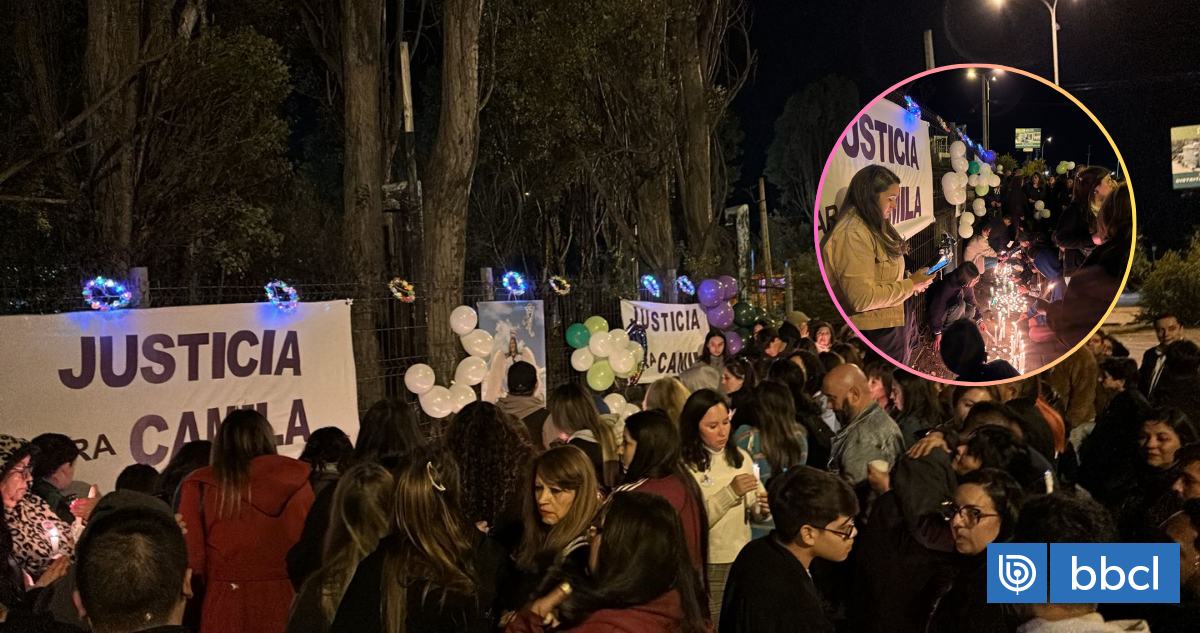
A political battle is intensifying in Chile over the legal classification of the death of Camila Ponce, as government officials and lawmakers clash over whether the killing should be prosecuted as a femicide or a simple homicide. The dispute centers on the role of the National Service for Women and Gender Equality (SernamEG) and the Ministry of Women, which have faced sharp criticism for failing to file a criminal complaint based on gender-motivated violence.
The controversy erupted following a Senate Women’s Committee meeting where Senator Karol Cariola of the Communist Party (PC) challenged Women’s Minister Judith Marín. Cariola is demanding that the Ministry pursue femicidio charges in the case of Camila Ponce, arguing that the current investigation—which classifies the act as simple homicide—ignores critical evidence of hate and gender-based bias .
Camila Ponce, a young driver and lesbian, was brutally attacked on March 19 in Valparaíso. She suffered severe injuries and remained in a state of brain death for several days before passing away on March 24 . While the victim’s family has filed a complaint for femicide, the government’s reluctance to do the same has sparked accusations of institutional failure and a lack of support for the LGBTQ+ community.
The tension reached a peak when the Ministry of Women publicly stated it did not have sufficient evidence to qualify the crime as a femicide, leading to a public confrontation between the executive branch and the legislative body tasked with protecting women’s rights.
The Legal Debate: Simple Homicide vs. Femicide
At the heart of this dispute is the interpretation of the “Ley Gabriela” (Gabriela Law). Senator Karol Cariola, the author of this legislation, explains that the law was specifically designed to expand the definition of femicide. Under the Gabriela Law, the crime is not limited to domestic contexts—such as partners or ex-partners—but extends to any instance where a woman is killed for gender-related reasons .
Cariola argues that the evidence in the Ponce case fits this expanded definition. According to the Senator, the attacker had a history of homophobia—details she claims have been made available by the prosecutor—and that the brutal nature of the attack, which involved dragging Ponce from her vehicle, points to a crime of hate .
However, SernamEG and the Ministry of Women have maintained that it has not yet been established that the death was the result of violence based on gender. This stance has left the case currently being investigated as a simple homicide, a classification that Cariola and other lawmakers argue minimizes the systemic nature of the violence faced by lesbian women.
Institutional Failures and Political Fallout
The friction between the Ministry of Women and the Senate has moved beyond legal technicalities into a critique of political will. Senator Cariola has expressed deep frustration over the Ministry’s perceived absenteeism and lack of empathy toward the victim’s family. During a Senate Women’s Committee session, the Minister was notably absent while Ponce’s parents were in attendance.
Further complicating the government’s position are reports of inconsistent actions within the executive branch. Cariola noted that while the Ministry of Security initially filed a complaint for femicide, it subsequently withdrew it . This reversal, combined with the Ministry of Women’s refusal to act, has led to accusations that the government is failing the victim “twice”—once through inaction and once through the denial of the crime’s gender-based motivation.
Who is Affected and Why It Matters
The classification of this crime as “simple homicide” rather than “femicide” is not merely a matter of semantics; it has significant implications for justice and public policy:

- Sentencing: Femicide often carries different legal weights and sentencing guidelines compared to simple homicide, reflecting the aggravated nature of hate crimes.
- Victim Recognition: For the family of Camila Ponce, the label of femicide acknowledges that the attack was an act of hatred against her identity.
- Precedent: The application of the Gabriela Law in this case would set a critical precedent for how the Chilean state handles hate crimes against LGBTQ+ women.
- Institutional Accountability: The demand for SernamEG to file a complaint is a call for the state to actively protect marginalized women rather than remaining a passive observer in the judicial process.
The Path Forward: Senate Demands
In response to the government’s stance, the Senate Women’s Committee has reached a transversal agreement to demand that the Ministry of Women file a formal complaint for femicide. This cross-party consensus signals that the legislative body views the current investigation as insufficient.
The push for femicidio charges in the case of Camila Ponce is now a central point of contention. Lawmakers are calling for a thorough review of the prosecutor’s evidence regarding the assailant’s homophobia to ensure that the legal charges align with the facts of the crime. They argue that if the state ignores the gender-based motivation of the attack, it undermines the very purpose of the Gabriela Law.
As the investigation continues, the pressure on Minister Judith Marín and SernamEG remains high. The case has become a litmus test for the current administration’s commitment to gender equality and the protection of the LGBTQ+ community in Chile.
The next critical step will be the Ministry’s response to the Senate’s formal demand and whether new evidence will prompt a change in the legal qualification of the charges. We will continue to monitor official filings and committee updates as the case progresses.
Do you believe the legal definition of femicide should automatically include all hate crimes against women regardless of the relationship between the victim and the perpetrator? Share your thoughts in the comments below.
Related reading