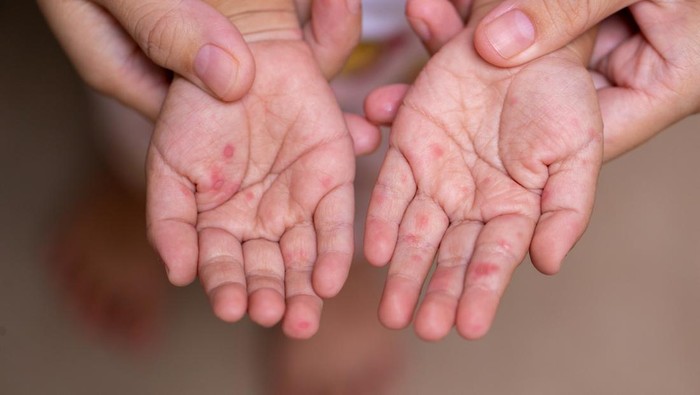
As millions of Indonesians prepare for Mudik, the annual Eid al-Fitr homecoming, health officials are urging vigilance against the spread of infectious diseases, particularly measles. Recent data indicates a rise in measles cases across several regions, prompting concerns about potential outbreaks during the mass travel period. Although fatalities have not been reported in Bantul, a region near Yogyakarta, increased awareness and preventative measures are crucial, especially for young children.
The surge in measles cases comes despite ongoing immunization efforts. Measles, a highly contagious viral infection, poses a significant risk to unvaccinated individuals, particularly children under five years of age. Symptoms typically include fever, cough, runny nose, and a characteristic rash. While generally not life-threatening, complications such as pneumonia, encephalitis (brain swelling), and even death can occur, especially in vulnerable populations. The potential for rapid transmission during Mudik, with large numbers of people traveling and gathering, underscores the importance of proactive public health interventions.
Rising Cases and Regional Concerns
According to data from the Bantul Health Office, 17 cases of measles were recorded between January and March 12, 2026, a notable increase compared to the 14 cases reported throughout all of 2025. ANTARA News reported that, thankfully, no fatalities have been linked to measles in Bantul. However, the increase is prompting local health authorities to prepare for a limited immunization campaign targeting children aged nine months to 59 months who have not yet received the measles vaccine.
The concentration of cases is particularly high in Banguntapan, where five of the 17 reported cases were identified. Other affected areas include Dlingo, Kasihan, Pandak, Piyungan, Pleret, Sewon, and Srandakan. Health officials emphasize that the increase in cases does not currently constitute an extraordinary event (KLB), meaning it hasn’t reached the threshold for a formal outbreak declaration. However, the dispersed nature of the cases suggests a broader pattern of transmission, necessitating a targeted response.
Beyond Bantul, the province of Yogyakarta as a whole has seen a rise in measles cases. Tempo.co reported on the increasing incidence, highlighting the need for heightened surveillance and preventative measures across the region. Similarly, the city of Yogyakarta is actively promoting complete immunization coverage among its residents, recognizing the critical role of vaccination in controlling the spread of the disease. Gerbang Patriot details these efforts.
The Mudik Factor and Transmission Risks
The timing of the measles increase coincides with the upcoming Mudik period, a massive annual migration as Indonesians return to their hometowns to celebrate Eid al-Fitr with family. This mass movement of people significantly increases the risk of disease transmission. Crowded transportation hubs, rest areas, and family gatherings provide ideal conditions for the spread of airborne viruses like measles.
Professor Dr. Riris Andono Ahmad, a lecturer at Gadjah Mada University (UGM), has issued a warning about the potential for measles transmission during Mudik. While the specific details of his recommendations weren’t available in the provided sources, the underlying message is clear: increased vigilance and preventative measures are essential. The university’s concern reflects a broader understanding of the public health challenges posed by large-scale population movements.
The highly contagious nature of measles means that even a single infected individual can quickly spread the virus to others. The virus is airborne and can remain infectious for up to two hours in the air after an infected person coughs or sneezes. This makes it particularly challenging to control in crowded environments.
Immunization as a Key Defense
Vaccination remains the most effective way to prevent measles. The measles vaccine is typically administered as part of the routine childhood immunization schedule, with two doses recommended for optimal protection. The current immunization campaign in Bantul aims to reach children aged nine months to 59 months who have not yet received the vaccine, bolstering community immunity and reducing the risk of further transmission.
However, vaccine hesitancy remains a challenge in some areas. Radar Jogja reported that some residents in Bantul are hesitant to receive the measles vaccine, citing cultural beliefs. Addressing these concerns through community education and engagement is crucial to achieving high vaccination coverage and protecting the population.
Beyond vaccination, simple preventative measures can also help reduce the risk of transmission. These include practicing good hygiene, such as frequent handwashing, covering coughs and sneezes, and avoiding close contact with individuals who are sick. Individuals experiencing symptoms of measles should isolate themselves and seek medical attention promptly.
Understanding Measles and its Complications
Measles is caused by the Morbillivirus, a highly contagious virus that primarily affects children. The incubation period, the time between exposure and the onset of symptoms, is typically 10-14 days. Initial symptoms often resemble a common cold, including fever, cough, runny nose, and conjunctivitis (red, watery eyes). After a few days, a characteristic rash develops, starting on the face and spreading to the rest of the body.
While most people recover from measles without serious complications, some individuals may experience more severe outcomes. These can include pneumonia, encephalitis, otitis media (ear infection), and diarrhea. In rare cases, measles can be fatal. Pregnant women who contract measles are at increased risk of miscarriage, premature delivery, and low birth weight.
Ongoing Monitoring and Public Health Response
Health authorities in Yogyakarta and Bantul are closely monitoring the situation and implementing measures to control the spread of measles. These include enhanced surveillance, targeted immunization campaigns, and public awareness campaigns. The Bantul Health Office is coordinating with local health centers (Puskesmas) to ensure that immunization services are readily available to the community.
A study conducted by Universitas Gadjah Mada (UGM) analyzed the risk of measles in Bantul and the preparedness of local health facilities. The research, available through the UGM Institutional Repository, identified Puskesmas Banguntapan 2 as having a high risk level, while most other Puskesmas were categorized as having moderate risk. The study highlighted the need for improved preparedness, including the development of standard operating procedures (SOPs) for outbreak response, increased funding, and enhanced training for healthcare personnel.
The ongoing efforts to control measles underscore the importance of a comprehensive public health approach that combines vaccination, surveillance, and community engagement. Protecting the population from this preventable disease requires a coordinated response from health authorities, healthcare providers, and the community as a whole.
Key Takeaways
- Measles cases are increasing in Yogyakarta, particularly in Bantul, ahead of the Mudik period.
- While no fatalities have been reported, the rise in cases raises concerns about potential outbreaks during mass travel.
- Vaccination remains the most effective way to prevent measles, and immunization campaigns are underway to reach unvaccinated children.
- Public health officials are urging vigilance and preventative measures, including good hygiene and avoiding close contact with sick individuals.
Health officials will continue to monitor the situation closely and provide updates as needed. The next key update is expected following the peak Mudik travel period, allowing for an assessment of transmission rates and the effectiveness of preventative measures. Readers are encouraged to share this information with their networks and to consult with their healthcare providers for guidance on measles prevention and vaccination.
Worth a look