
Following recent seismic activity in Colombia, the Servicio Geológico Colombiano (SGC) has issued a direct public warning regarding widespread misinformation circulating across social media. According to the SGC, current scientific methods do not allow researchers to predict the exact timing, location, or magnitude of future earthquakes or their aftershods.
The clarification follows an earthquake that struck on August 10, 2026, with an epicenter in San José del Palmar, Chocó. In the days following the seismic event, unverified reports and alarming claims began spreading across digital platforms, prompting concern among residents in multiple regions.
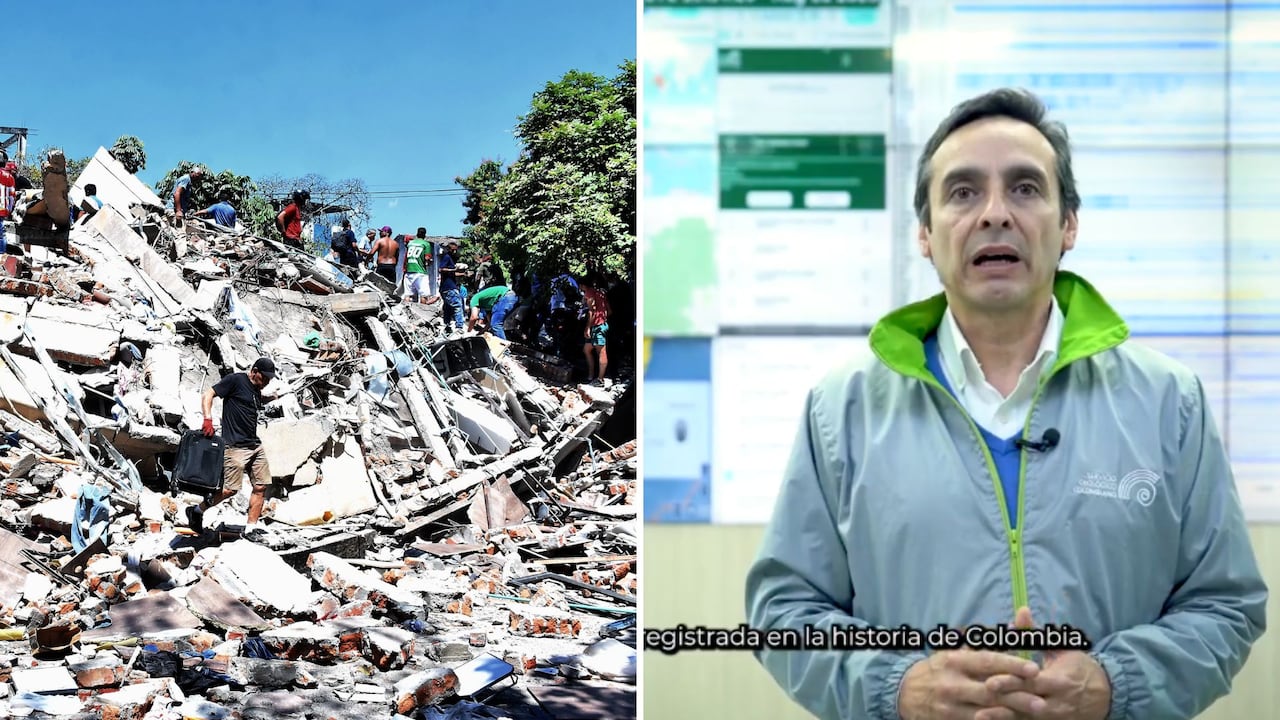
According to SGC Director General Julio Fierro Morales, the agency has received numerous inquiries regarding false claims circulating online, including rumors that the Puracé volcano had elevated its status to a red alert. Addressing these digital reports, Fierro Morales confirmed that the volcano remains at an orange alert level and undergoes continuous monitoring around the clock, seven days a week.
Compartir información verificada es clave en este momento del país. 🚨 Tras el sismo ocurrido el pasado 10 de agosto, con epicentro en San José del Palmar, Chocó, están circulando mensajes falsos a través de redes sociales que alarman a la ciudadanía. El director general del… pic.twitter.com/nR0XIIz07S
— Servicio Geológico Colombiano (@sgcol) August 12, 2026
Understanding Seismic Science and Aftershocks
While the SGC acknowledges that aftershocks are a normal physical sequence following a significant earthquake, the agency insists there is a distinct difference between recognizing this geological possibility and claiming knowledge of when a specific tremor will strike. As noted by El País, no scientific instrument or methodology currently exists to confirm the occurrence of a major aftershock at a specific date and time.
These subsequent tremors can persist for days, weeks, or even months, gradually decreasing in frequency and magnitude. However, forecasting the exact moment of an individual aftershock remains impossible with modern technology.
Official Guidance and Public Safety
Authorities have urged the public to remain calm and rely solely on verified channels for updates regarding seismic activity and emergency protocols. Spreading unverified data during an active emergency only serves to heighten public anxiety and strain resources dedicated to community safety.
Residents are advised to monitor official communications from the SGC and local emergency response agencies before making decisions or sharing alerts found on social media platforms. Monitoring official bulletins ensures communities receive accurate assessments regarding geological conditions across the country.
Related reading