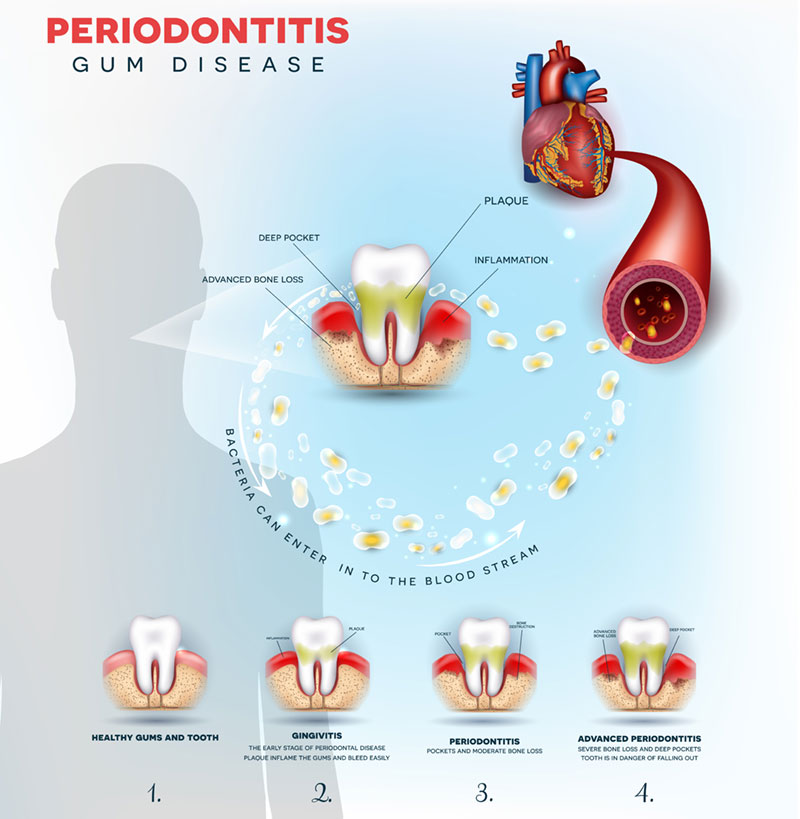
Recent research indicates a potential link between chronic periodontitis and the progression of aortic valve calcification. Scientists are investigating how specific bacteria associated with gum disease may enter the bloodstream and contribute to the hardening of heart valves, a condition that can restrict blood flow and lead to serious cardiovascular complications. This connection underscores the importance of oral health as a factor in systemic wellness, particularly for patients with existing heart conditions.
The Pathophysiological Link Between Oral Bacteria and Heart Health
Periodontitis is a severe gum infection that damages the soft tissue and destroys the bone that supports teeth. When this condition remains untreated, the inflammatory response is not limited to the oral cavity. Periodontal disease can allow bacteria to enter the bloodstream, potentially triggering systemic inflammation that affects other organs. Current medical research focuses on whether these oral pathogens can colonize heart valves and accelerate the process of calcification—the accumulation of calcium deposits that stiffens the valve leaflets.
Aortic valve calcification is a degenerative process often seen in aging, yet it shares common inflammatory pathways with periodontal disease. Chronic inflammation is a known catalyst for cardiovascular disease. Researchers are examining whether the immune system’s reaction to gum bacteria inadvertently promotes the deposition of calcium in vascular tissues, including the aortic valve, which serves as the primary gateway for oxygenated blood leaving the heart.
Understanding Aortic Valve Calcification
Aortic valve stenosis, often resulting from calcification, occurs when the valve opening narrows, forcing the heart to work harder to pump blood. This condition can lead to symptoms such as fatigue, chest pain, and shortness of breath. While age and genetics are primary risk factors, the role of chronic infection—including oral health—is gaining traction in clinical studies. Oral health is a critical component of overall health, noting that oral infections can complicate the management of chronic diseases like diabetes and cardiovascular disorders.
For patients, the clinical takeaway is the necessity of maintaining rigorous oral hygiene. Regular dental cleanings and periodontal assessments are not merely for dental preservation but may serve as a preventative measure for cardiovascular health.
Clinical Perspectives and Future Research
The medical community continues to evaluate the strength of the association between specific oral microbiomes and valvular damage. While the correlation is supported by observational data, researchers emphasize that further longitudinal studies are required to establish a definitive causal relationship. The “oral-systemic link” remains a robust area of investigation, with ongoing trials aiming to determine if periodontal intervention can slow the progression of existing heart valve disease.
Medical professionals currently recommend a multidisciplinary approach to patient care. For individuals with diagnosed aortic valve disease, communication between dentists and cardiologists is encouraged to ensure that periodontal infections are addressed promptly. This integration of care aims to minimize the risk of bacteremia—the presence of bacteria in the blood—which can complicate cardiovascular health.
Practical Guidance for Maintaining Oral and Heart Health
To mitigate risks associated with systemic inflammation, health organizations emphasize standard preventative practices. Consistent oral hygiene, including daily flossing and professional cleanings at least twice a year, remains the primary defense against periodontitis. Recognizing the early signs of gum disease—such as bleeding gums, persistent bad breath, or receding gums—is essential for timely intervention.
Patients should consult their primary care physician or cardiologist regarding the connection between their oral health and any underlying heart conditions. As the scientific understanding of the human microbiome evolves, the focus on oral-systemic health is expected to become a standard pillar of preventative cardiology. Readers are encouraged to keep updated with official advisories from medical associations and to maintain routine screenings to monitor both cardiovascular and periodontal health.
Disclaimer: This article provides information based on current medical research and is intended for educational purposes. It does not replace professional medical advice, diagnosis, or treatment. Always consult with your healthcare provider for concerns regarding your specific health condition.
Related reading